Doctor explains how to reduce your risk of prostate cancer through small lifestyle tweaks
Lifestyle is one of the few factors you can alter when it comes to avoiding cancer
New research suggests that a diet rich in vegetables, when combined with probiotics, could potentially slow the progression of low-risk prostate cancer.
A four-month study observed 212 men diagnosed with the condition, dividing them into two distinct groups.
Half of the participants received a plant-based supplement, comprising ingredients such as broccoli, turmeric, pomegranate, green tea, ginger, and cranberry, alongside a placebo.
The remaining men were given the same supplement but paired with a specially formulated probiotic.
Researchers from the University of Bedfordshire, collaborating with Cambridge University Hospitals, Bedford Hospital, and international teams in the US and Australia, meticulously tracked prostate-specific antigen (PSA) levels in the blood.
Although they found that PSA progression slowed significantly in both groups, the results showed that the rate of change was significantly greater in the men who received both the supplement and the probiotic.
In light of these results, we spoke with Dr Jeff Foster, medical director of Manual and a GP with a specialist interest in men’s health, who has highlighted the role lifestyle factors can also play in reducing prostate cancer risk.
What lifestyle factors impact your risk of prostate cancer?
“Certain types of cancer are more affected by lifestyle than others,” says Foster. “Prostate cancer is really sensitive to a lot of those things that we say you should do to lead a healthy lifestyle.”
Factors that could impact your risk of prostate cancer
1. Alcohol and smoking
There is strong evidence that smoking is linked to aggressive prostate cancer, according to Prostate Cancer UK’s website.
The charity’s website also states that if you stop smoking, your risk should start to drop and after 10 years it could be as low as men who have never smoked.
“Avoid carcinogens because we know that smoking and drinking alcohol can increase your risk of many types of cancer,” says Foster.
He also highlights how the harmful effects of these substances are accumulative.
“Older people that drink more alcohol are at higher risk of cancer because if you’ve had 50 years worth of drinking alcohol rather than five years, the risk of cancer will be greater,” says Foster. “Our bodies aren’t as good at fixing these problems later in life compared to when we were 20.”
2. Weight
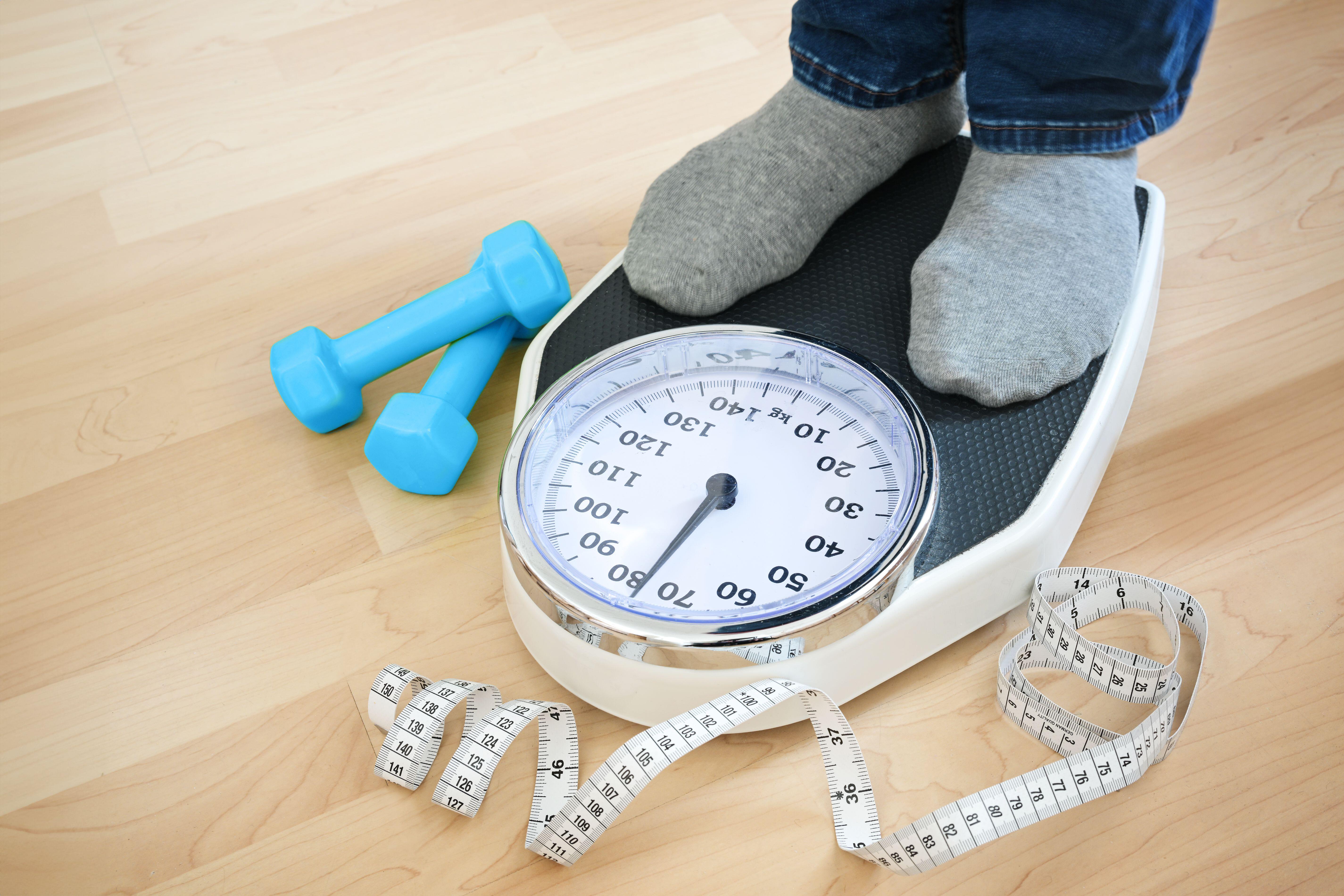
Being a healthy weight could lower your risk of advanced prostate cancer, according to Prostate Cancer UK’s website.
“The big thing is to keep a healthy body weight because being overweight significantly increases your risk of prostate cancer,” says Foster. “Obesity is effectively chronic inflammation and we want to reduce inflammation at all costs.
“Obesity causes a chronic inflammatory process in your body, and if it does that, it’s going to increase your risk of cancer.”
Weight itself is cancer-promoting for multiple cancers, adds the GP.
“There’s lots of reasons for that in terms of metabolic disease and the way that your cells store energy, but generally we know that the more overweight you are, the higher risk you have of specific types of cancer, in particular things like bowel and prostate cancer,” says Foster.
3. Exercise
Exercise can play a big part in maintaining a healthy weight and keeping your immune system strong.
“Make sure you exercise,” says Foster. “It doesn’t matter what exercise you do, the evidence is actually that just being physically active reduces your risk of many types of cancers. It’s the best medicine you can do.
“Ideally aim for about 45 minutes, three to four times a week. It doesn’t matter what exercise you do, but it’s got to be enough to get you out of breath, sweaty and get your heart racing.”
How can lifestyle changes help men who have already been diagnosed with prostate cancer?
Staying fit can have a big impact on cancer treatment outcomes.
“If you’re physically fit, you have a better physiological reserve and are more likely to come out of surgery better, tolerate chemotherapy better and are more able to effectively keep a healthy immune system,” explains Foster. “So, the fitter you are, the better your body is at fighting off the disease.”

Exercise can also help support wellbeing throughout prostate cancer treatments.
“Exercise is quite naturally cathartic and it releases endorphins so helps make people feel good about themselves,” says Foster.
It can also help people feel more in control of their health.
“Exercise is something that patients can focus on,” says Foster. “You can’t do anything about having prostate surgery, but you can go to the gym three times a week. So, it’s a really positive step that each individual can make in trying to improve their outcome.”
Bookmark popover
Removed from bookmarks