What the heck is pink noise? And why are scientists saying sleeping with it can harm your health?
Pink noise is similar to white noise, but sounds lower in pitch
Pink noise is often promoted as a way to help people fall asleep faster and block out other bothersome sounds that can disturb our sleep - but researchers say it might not be as healthy as it seems.
The ambient and steady, static-like tone from pink noise is similar to tapes of heavy rainfall or ocean waves, and aims to soothe the brain into a deep slumber. Pink noise contains lower frequencies of sound than white noise – which is the same as TV or radio static – and there are machines that provide people with both kinds of noise.
Recent research on its effectiveness has been largely positive, with a 2019 Northwestern study finding that the noise could boost deep sleep in patients with mild cognitive impairment.
But a new warning from researchers at Penn Medicine cautions that pink noise may actually be doing more harm than good for your sleep quality.
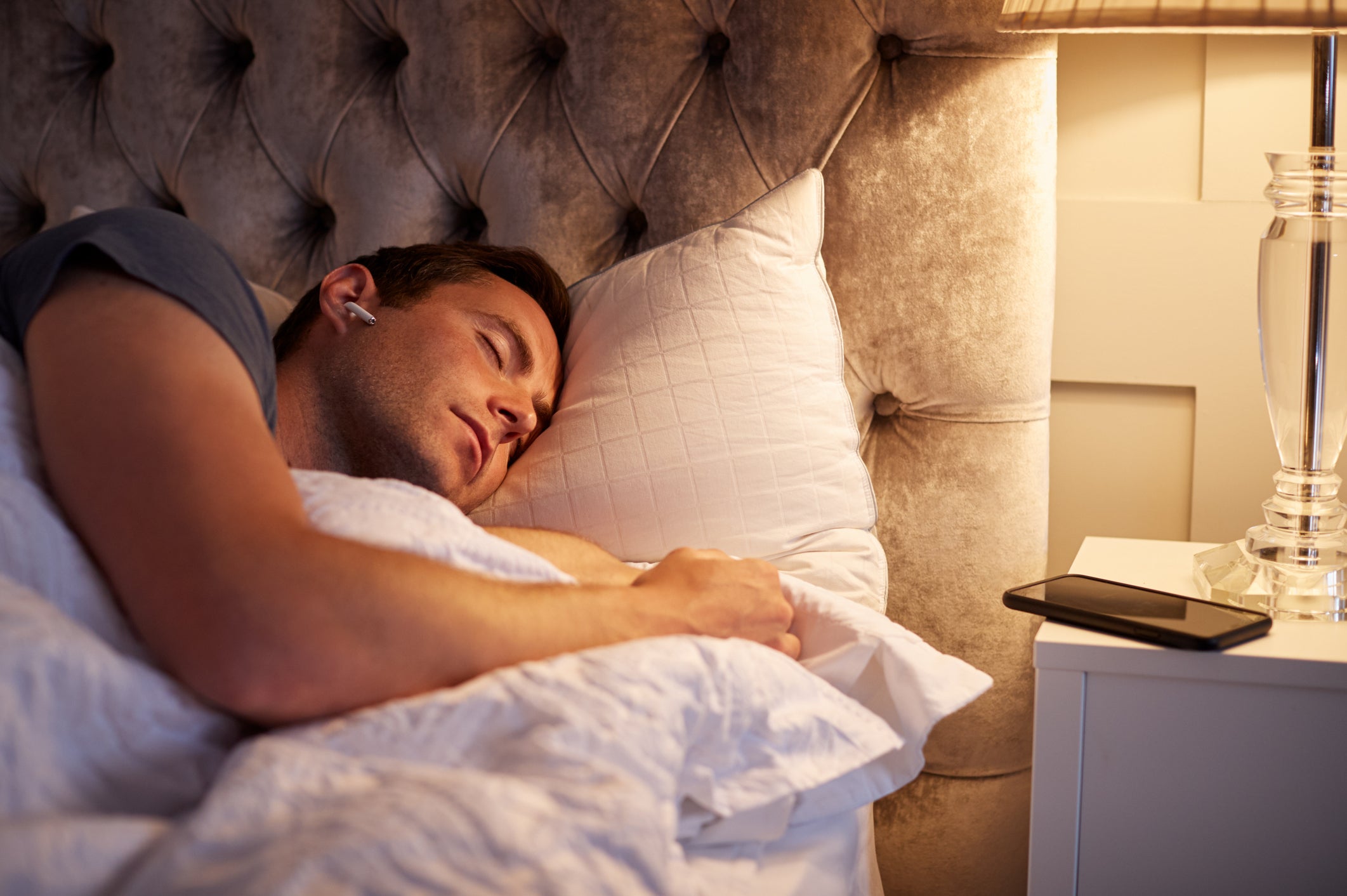
A small Federal Aviation Administration-funded study in 25 healthy adults between the ages of 21 and 41 found that people who were played pink noise over the course of a week saw nearly 19 minutes decreased REM sleep.
REM – or rapid eye movement – sleep helps protect against dementia and improves brain development, learning and mood, according to Harvard Health.
“REM sleep is important for memory consolidation, emotional regulation and brain development, so our findings suggest that playing pink noise and other types of broadband noise during sleep could be harmful - especially for children whose brains are still developing and who spend much more time in REM sleep than adults,” Dr. Mathias Basner, a professor of Sleep and Chronobiology in Psychiatry, said in a statement.
The participants, who had not previously used these noises to fall asleep, sleep for eight hours a night under different conditions.
They were exposed to aircraft noise, pink noise, both with and without earplugs.
In the morning, the Penn doctors asked the participants to complete tests and surveys that would measure sleep quality, alertness and other health effects.
Earplugs were found to be significantly more effective at protecting sleep against traffic noise, and the combination of pink and aircraft noise shortened deep and REM sleep compared to noise-free nights.
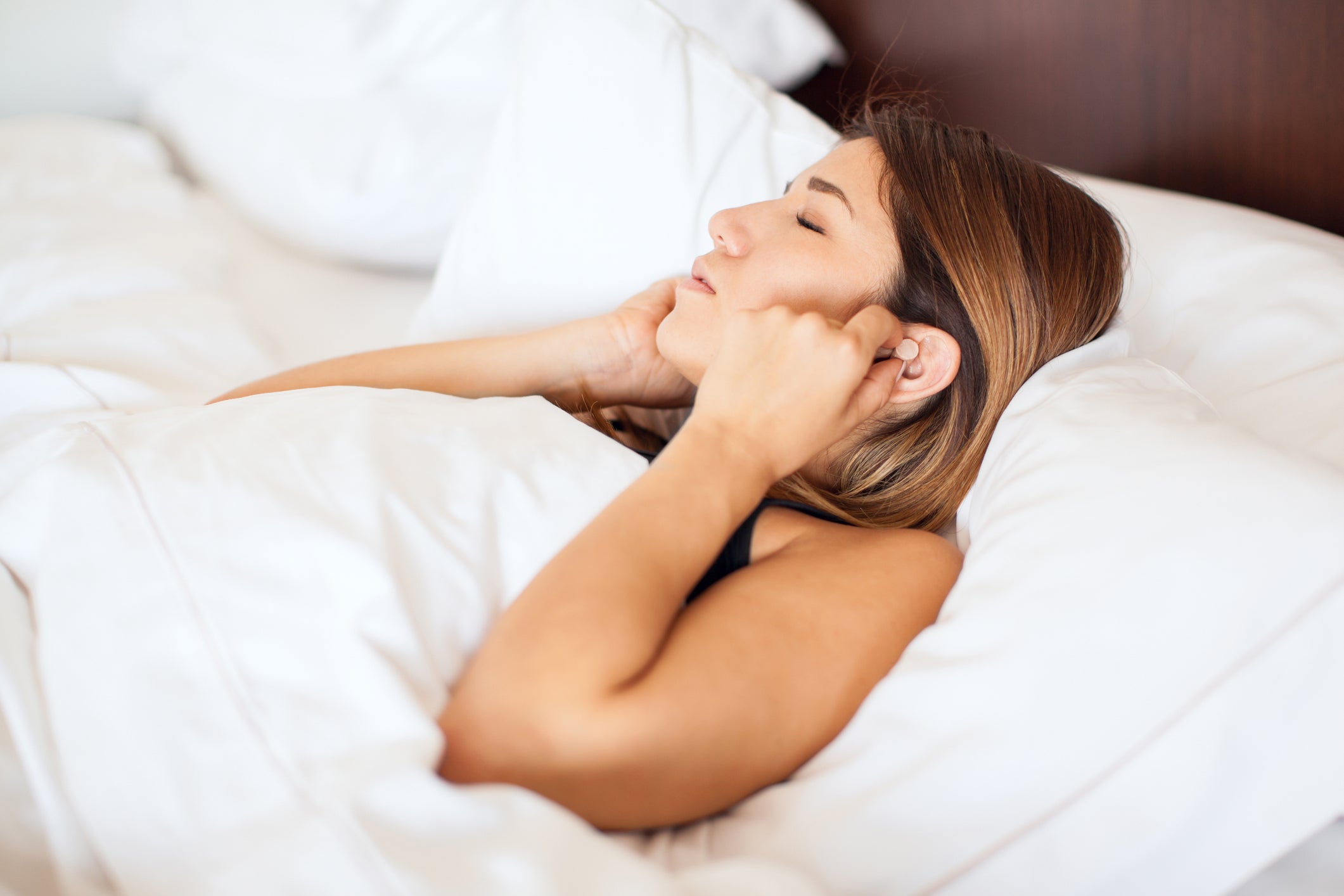
And, people would wake up more frequency when they were exposed to aircraft noise or pink noise, compared to nights without noise. This wasn’t the case if they wore earplugs.
The researchers said their results highlight that these noise machine sleep aids need to be studied more thoroughly, noting that white noise videos on YouTube have racked up hundreds of millions of views.
For young children watching these videos to help them fall asleep, Basner added, the effects could be even more pronounced.
And it is common that parents use sound machines to help their toddlers or newborns fall asleep.
REM sleep makes up a quarter of infants’ sleep.
“Overall, our results caution against the use of broadband noise, especially for newborns and toddlers, and indicate that we need more research in vulnerable populations, on long-term use, on the different colors of broadband noise and on safe broadband noise levels in relation to sleep,” he said.
Join our commenting forum
Join thought-provoking conversations, follow other Independent readers and see their replies
Comments
Bookmark popover
Removed from bookmarks