Wegovy maker sues Hims & Hers over copycat weight loss drug
The lawsuit is the latest escalation in a price war between companies manufacturing weight loss drugs
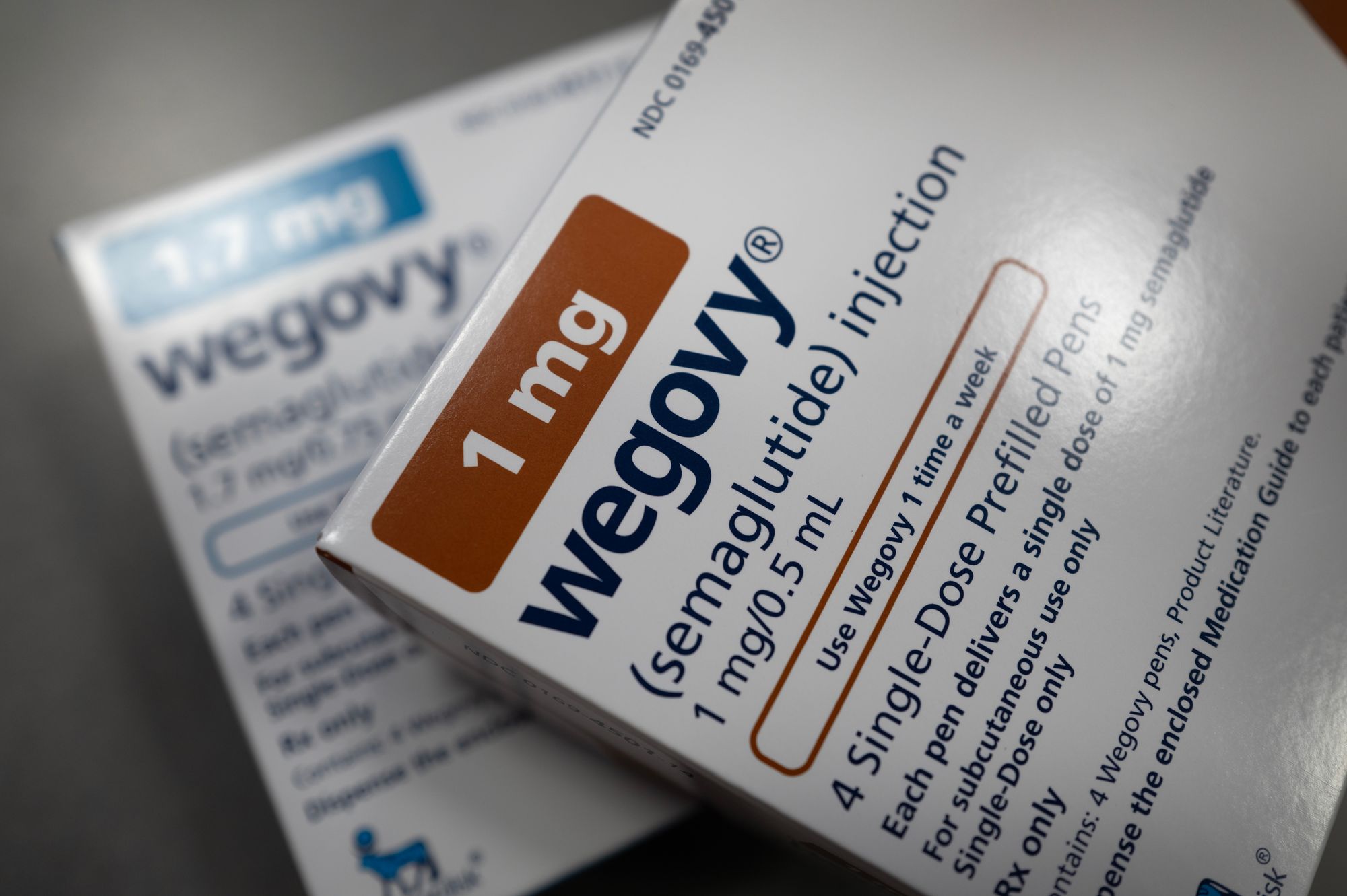
Novo Nordisk has sued Hims and Hers Health for patent infringement after the U.S. telehealth firm launched, then canceled, a $49 copy of Novo's weight-loss pill Wegovy.
The lawsuit, which covers Novo's weight-loss drugs in pill and injectable forms, highlights the friction between obesity drugmakers and pharmacies that mix the active ingredients, harming the earnings of the original drug manufacturers.
"There is now a growing chorus of parties that have said, enough is enough on the compounding situation in the United States," Novo Nordisk's general counsel, John Kuckelman, told Reuters.
He said Hims' pill launch was a "tipping point."
The lawsuit, Hims said, was a "blatant attack" by Novo on "millions of Americans who rely on compounded medications for access to personalized care."
"Once again, Big Pharma is weaponizing the U.S. judicial system to limit consumer choice," it said.
Novo's shares jumped nearly 6% Monday, while Hims sank 25% in morning trading.
Shares of Novo and rival Eli Lilly had tumbled last week after Hims introduced the cut-price pill, which had looked set to erode Novo's takings and jeopardize its shift towards a cash-pay consumer market.
'WAR ON GLP-1 COMPOUNDERS IN GENERAL'
Analysts said the lawsuit and the unusually rapid U.S. Food and Drug Administration response could mark a broader crackdown on compounded GLP-1, potentially easing competition on the big manufacturers' patented weight-loss treatments.
"They are not only declaring war on Hims & Hers' Wegovy pill, but GLP-1 (compounders) in general," said Sydbank analyst Soren Lontoft Hansen.
Novo said it was "asking the court to permanently ban Hims from selling unapproved, compounded drugs that infringe our patents, and is seeking to recover damages."
U.S. regulations have allowed compounding pharmacies to make and sell some brand-name medicines if they are in short supply. Without a shortage, however, compounding is only allowed in the U.S. when the drug is personalized for a patient, for example, at doses not available in the branded medicines.
NOVO, LILLY STRUCK PRICING DEALS WITH TRUMP
Hims, whose pill was based on semaglutide - the active ingredient in Novo Nordisk's blockbuster drugs Wegovy and Ozempic - said Saturday it would stop offering the treatment.
Novo and Lilly struck high-profile pricing deals with U.S. President Donald Trump last year and their weight-loss drugs are prominent on the new TrumpRx discounted-drugs website.
"I think the FDA made it quite clear that they would not tolerate a compounded Wegovy pill. This was an attack on the authority of the FDA," said Markus Manns at Novo and Lilly shareholder Union Investment.
Lilly's shares, already near record highs, were up about 1%.
RARE VICTORY FOR NOVO AS IT FIGHTS COMPOUNDED DRUGS
The FDA said Friday it would restrict GLP-1 ingredients used in non-approved compounded drugs, helping revive Novo's shares.
Still, intense competition continues in the rapidly shifting GLP-1 market as Eli Lilly and compounding pharmacies offer injectable versions of semaglutide.
Novo Nordisk's market value is down nearly 50% over the past year. Its stock sank 17% in a day last week after it flagged "unprecedented price pressure."
Despite pioneering the obesity drug market, the recent setbacks show how quickly Novo's dominance has eroded. And with Eli Lilly's oral GLP-1 pill orforglipron expected to receive FDA approval in April, competition is set to intensify.
In the key U.S. market, the obesity drugs made by Novo Nordisk and Lilly are driving a shift to a consumer-focused market in which drugmakers are looking toward cash-pay channels and telehealth to reach tens of millions of Americans.
Join our commenting forum
Join thought-provoking conversations, follow other Independent readers and see their replies
Comments
Bookmark popover
Removed from bookmarks