I’m an interiors and wellness expert. This is how to make your house feel like home
Katie McCrory shares her top tips for creating self-care practises
They say the home is where the heart is.
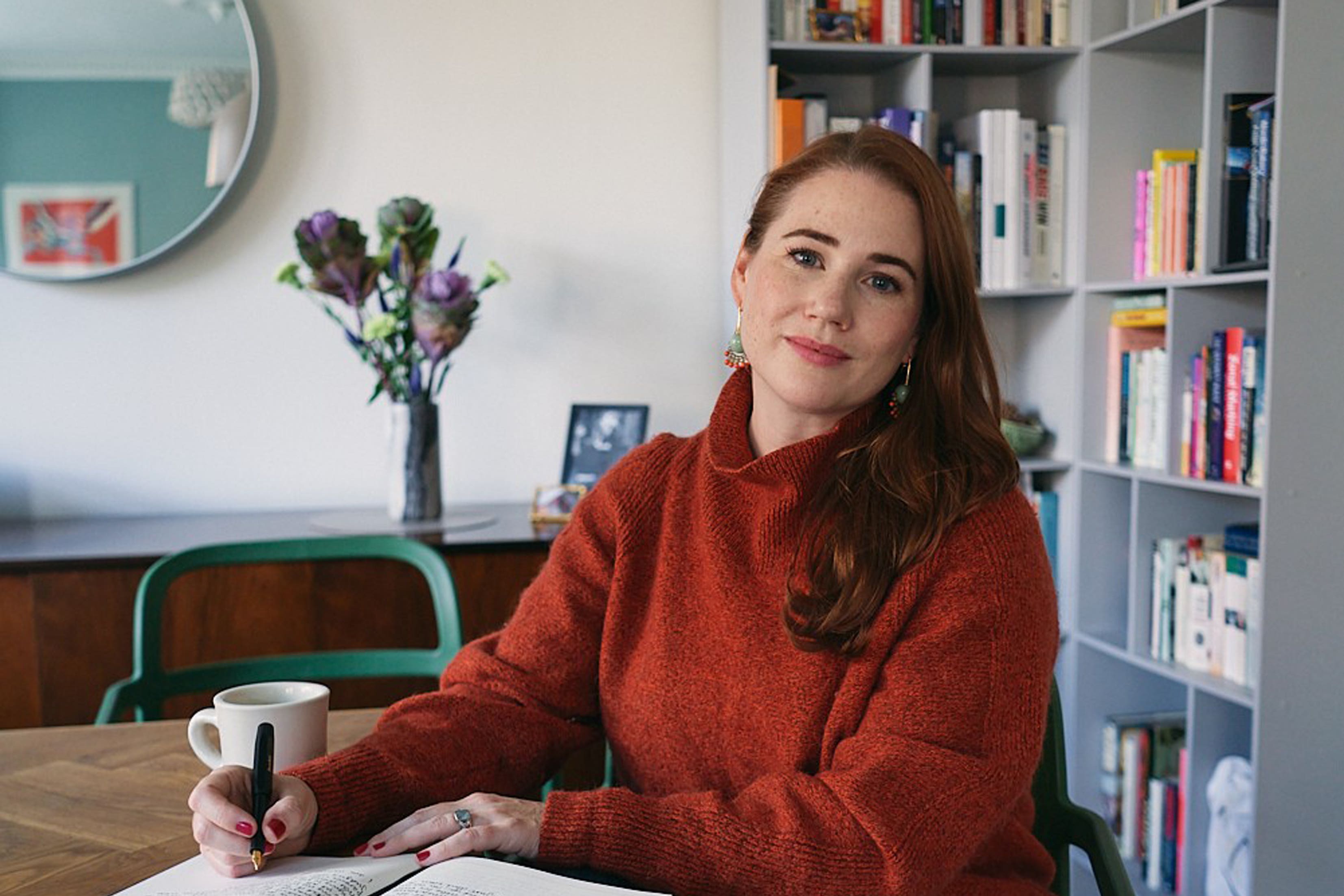
And as Life at Home Leader at the global headquarters for IKEA, Katie McCrory has written extensively about home life to be able to speak with authority.
Having headed up the annual IKEA Life at Home Report since 2017, she says: “I think being so close to research that really unveils what life at home looks, and more importantly, feels like for people around the world…. I think it unlocked something in me.
“Understanding what is we’re reaching for when we talk about wanting to feel more at home has completely transformed the way I think about homemaking,” says the 42-year-old mother-of-two.
“It really encouraged me to reflect on what I need and want from my life, and what can I learn from the different places I’ve lived and called home along the way.”
So much so, she started thinking about her own personal experiences and how she’d found solutions in her way of living (even in moments when she couldn’t change the practical elements of the place), which made her feel much more at home.
Sitting on “this incredible body of research demonstrating the emotional landscape of home,” she felt compelled to bring everything together – and how she might share it with more people.
“It felt like a calling,” says the researcher and storyteller. “The idea just wouldn’t leave me alone.”
Consequently, McCrory has written her first book, Where The Heart Is, in which she draws on her expertise to help you feel more at home in the place you live.
The author sheds some light on why home rituals matter, and how to improve your wellness routine.
“Rituals have three parts, explains McCrory. “The first part of a ritual is it has to have a clear purpose.
“That’s why it’s different to a routine. A ritual asks us Why? Why are we doing this? What’s it for? And helps you understand why it’s important… and the intention behind it.”
“The second part is a ritual needs some enabling behaviours. You need to be really specific. ‘What is it I need to do in order for this to be a ritual, and for it to be effective?'”
“Thirdly, which is why the home is such an important part of supporting rituals, they need the right environment and boundaries.”
She continues: “So you need to be able to create ‘the where and how of your ritual,’ so it’s supported in the best possible way.”
Clear purpose
One of the exercises McCrory likes to set people is to imagine you have 24 uninterrupted hours at home with nothing to divert your attention. “What would you do?”
“It’s an opportunity to fantasise. ‘What would I do if I had 24 hours of pure time for me?’
“And that’s where you start to get clear on motivation. Things you really want to do. And then ask yourself, ‘Why do I want to do that?’ And I say, you have to ask yourself three times.”
So that purpose question, that interrogation allows yourself to fantasise about what you want to do, explains McCrory, and then ask yourself again and again, ‘But why do I want to do that?’
‘What is it tapping into?’ And when you get to that purpose, she says that gives you the clarity of ‘This is why it’s important; this is my intention, and this is why I need to make time and space for it.’
“So that’s the solution to how you get to your purpose.”
Enabling behaviours
There are two things to consider…
“First you need to choose what you want to do, and what exactly are they?
“Things that give you pleasure, like reading books in bed. Or it might be an existing domestic routine you have, but reframe it as a ritual.”
She says the best thing is to think about the daily running of your day, rather than ‘I’ve got to add routine, got to add rituals.’
“What existing routine do you do without thinking about… having breakfast, getting dressed; could even be housework. Things you’re already doing, and reframe it as a ritual.
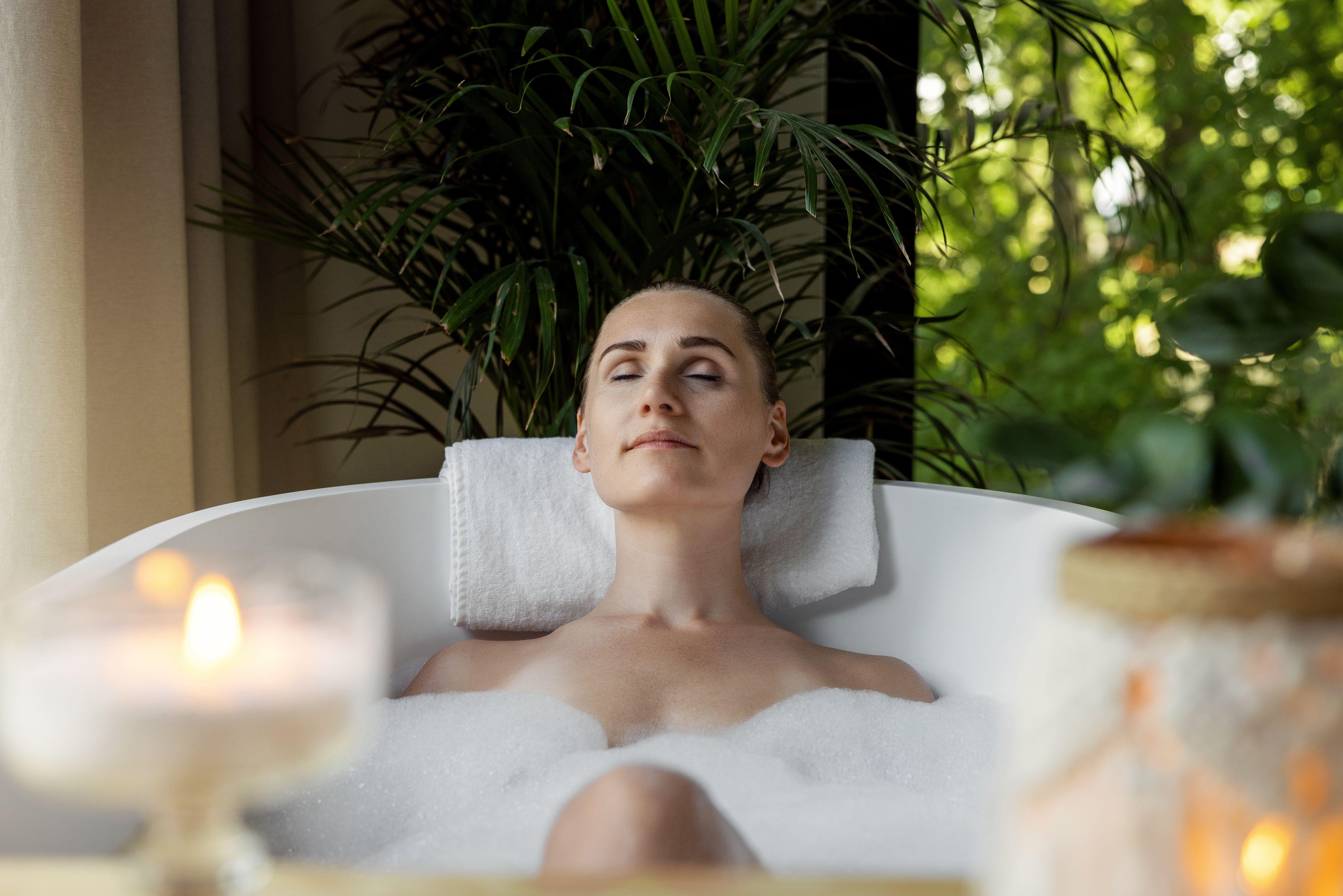
“One of the best ways is to think about your five senses, and bring them into that particular activity. Getting ready for bed… light a scented candle, use some ambient lighting while you’re winding down, a little music.”
So saying: “Here’s something I do every day without thinking about it, and how to leverage it up into a ritual. Because that’s going to be more effective than it being a regular, mundane routine.”
The right environment and boundaries
The thing about home is it’s really well-designed to meet your ritual needs, highlights McCrory, because it’s about self-care and self-expression.
“The home allows us to see ourselves, it’s also a safe space. In an ideal world, a sanctuary… so you already have quite a lot of boundaries, and the right environment in place to do these rituals.”
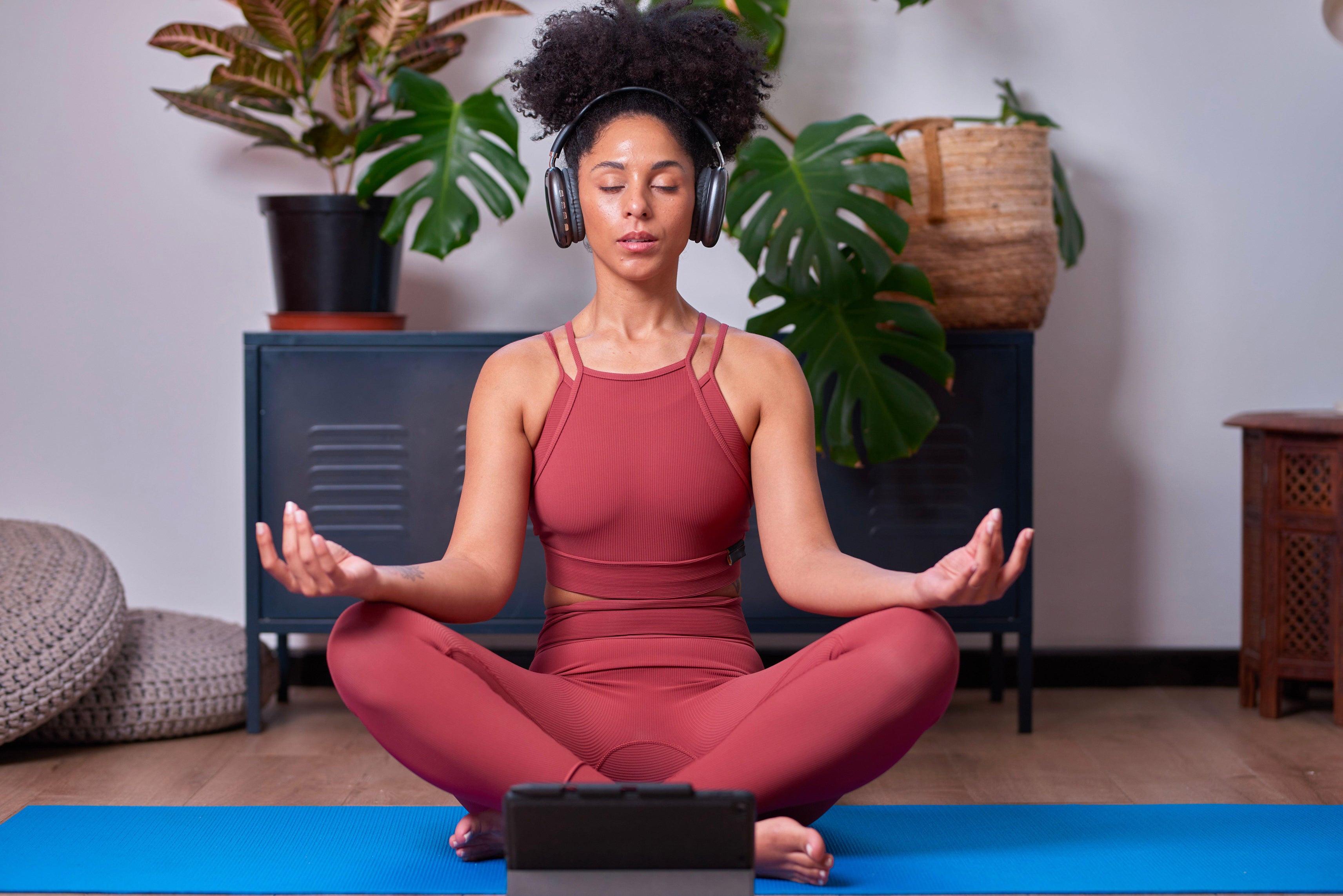
One is to zone your home, says McCrory. “Think clearly about what you’d like to do. Maybe a maybe a bit of yoga or meditation; where you’re going to do that, and do it in the same place every time.”
She says to store your yoga mat there, maybe a diffuser or scented candle, set your music up, so it’s all there. “It makes it easier to step into your ritual when you go to that place.
“It’s also a visual reminder you owe yourself that ritual every day, or every week, because you see it… it’s a positive trigger.”
The other thing is it’s about minimising distraction, notes McCrory. So think about your phone and screen use, and how it might be distracting you.
“It’s about tending to yourself. I talk about self-care and self-expression, I think these are ways of talking about self-worth.
“Nurturing is about saying I’m worth this time, worth this space and the energy to do these things… the home is such an extraordinary place to do that.”

Where The Heart is by Katie McCrory is published in hardback by Torva, priced £16.99. Available February 19.
Bookmark popover
Removed from bookmarks