Every tortilla sold in California will need to have one extra ingredient in the New Year. Here’s why
Starting from January 1, makers of products using masa flour will be required to add folic acid to their mixture
A new law in California will require manufacturers to add an extra ingredient to all tortillas in the New Year.
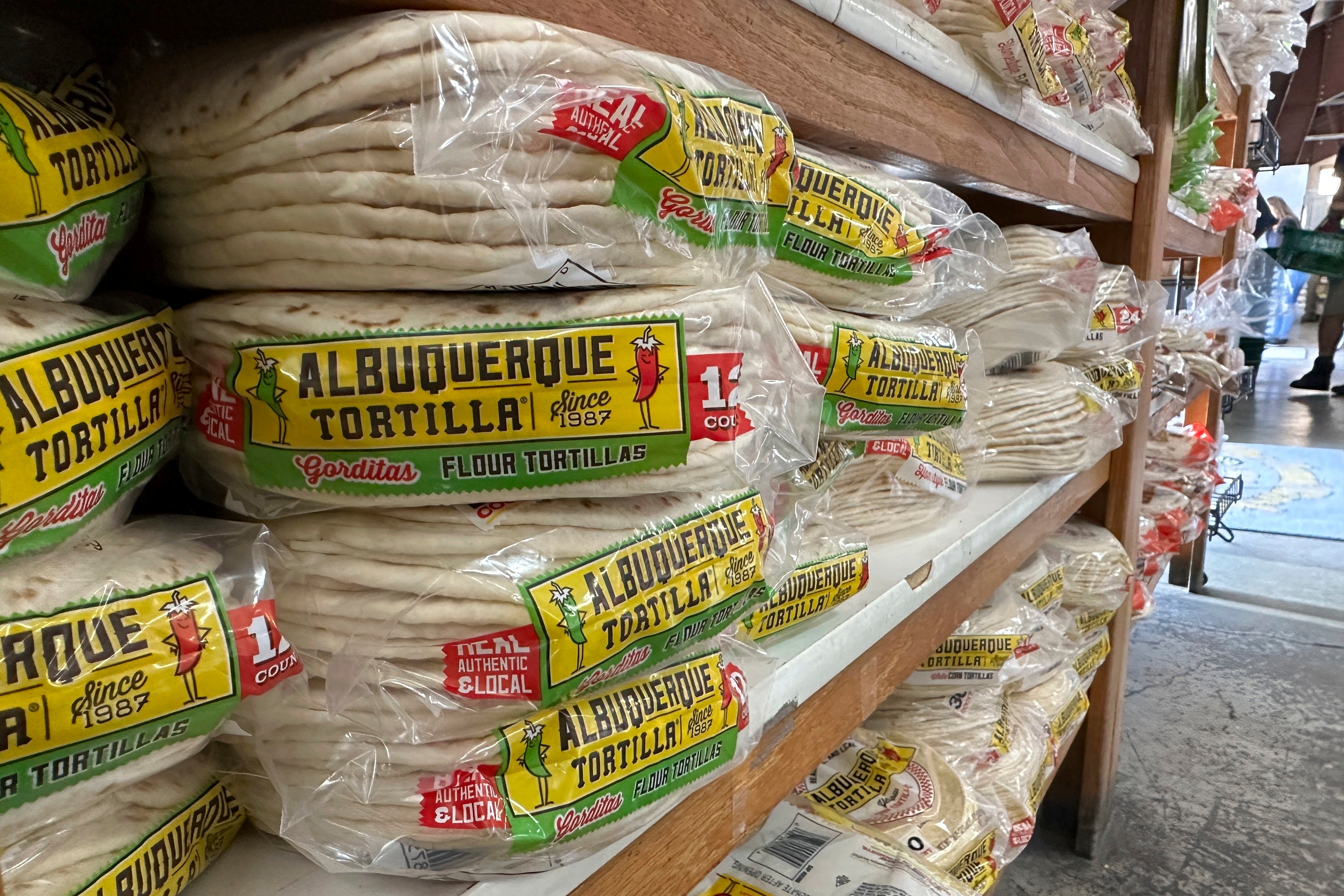
Starting January 1, manufacturers of masa-flour products will be required to add folic acid to the mixture to increase consumption among pregnant Latina women.
Folic acid is a vitamin important for infant health, with research showing it can reduce birth defects of the spine and brain by up to 70 percent.
In California, Latina women are the demographic that is least likely to consume folic acid early in pregnancy. According to state data, between 2017 and 2019 — the latest years for which it is available — only 28 percent of Latinas reported taking folic acid the month before becoming pregnant.
Among white women, 46 percent reported consuming folic acid to help with pregnancy, the California Department of Public Health reported.
Public health officials have long recommended that, because some women do not find out about their pregnancies for several weeks, folic acid should be added to staple foods.
Previous legislation from 1998 required U.S. manufacturers to add folic acid to grain products such as pasta, rice, and cereals to help women meet the recommended intake. As a result, the rate of babies born with defects has dropped by around a third, according to the CDC.
However, birth defect rates among Latinas continued to be consistently higher, leading lawmakers to consider more culturally appropriate additions to food.
In 2016, the government permitted the addition of folic acid to corn masa but did not require it by law.

Now, the new California law, AB 1830, titled “Corn masa flour and wet corn masa products: folic acid fortification,” will change that.
“This bill would, commencing January 1, 2026, require corn masa flour, as defined, that is manufactured, sold, delivered, distributed, held, offered for sale, or used as an ingredient in the manufacture of a food product to contain folic acid at a level of 0.7 milligrams of folic acid per pound of corn masa flour,” the bill states.
“[And it] would authorize wet corn masa product that is manufactured, sold, delivered, distributed, held, offered for sale, or used as an ingredient in the manufacture of a food product to contain folic acid at a level of 0.4 milligrams of folic acid per pound of end product, as specified.”
Join our commenting forum
Join thought-provoking conversations, follow other Independent readers and see their replies
Comments
Bookmark popover
Removed from bookmarks