The Independent's journalism is supported by our readers. When you purchase through links on our site, we may earn commission.
My husband of six months blindsided me with a divorce – here are the signs I missed
When her husband walked away just six months into marriage, Eve Simmons went looking for answers – and found that ‘blindsiding’ breakups are a familiar pattern for many millennial women

The only flaw in my wedding day was the lack of tissues, a friend told me the following day. And God, did we need them. Our speeches and vows detailed the emotional assault course that was our nine-year relationship, having supported each other through various mental illnesses (including the eating disorder that put me in hospital). We told our guests of our unique, unbreakable bond, and how we’d never regret our shared challenges; they brought us closer together. He said he wished I saw myself the way he saw me, and I wrote a charming list of 20 idiosyncrasies I loved about him. The guests declared it the most heart-wrenching wedding they’d ever attended.
We had a blissful honeymoon in our beloved Italian countryside, and we stopped using contraception. My future was decided. Only, unbeknownst to me, my new husband wasn’t so sure. Six months after we became legally tethered to one another, he announced – out of nowhere – that, actually, this marriage stuff wasn’t for him. Or, more accurately, I wasn’t.
I had no choice but to accept his decision. But with little explanation, I was tortured by months – and then years – of retracing the steps of our relationship in an attempt to figure out where I went wrong. I put my hard-wired journalistic skills to use, recruiting psychologists, sexperts, divorce lawyers and women with similar experiences to find answers. And my findings would suggest that I am far from the only millennial woman to have fallen victim to what I refer to as a blindsiding breakup. Not only is it a known phenomenon among those in the divorce industry, it seems everyone knows someone who's had the rug pulled from their feet without warning.
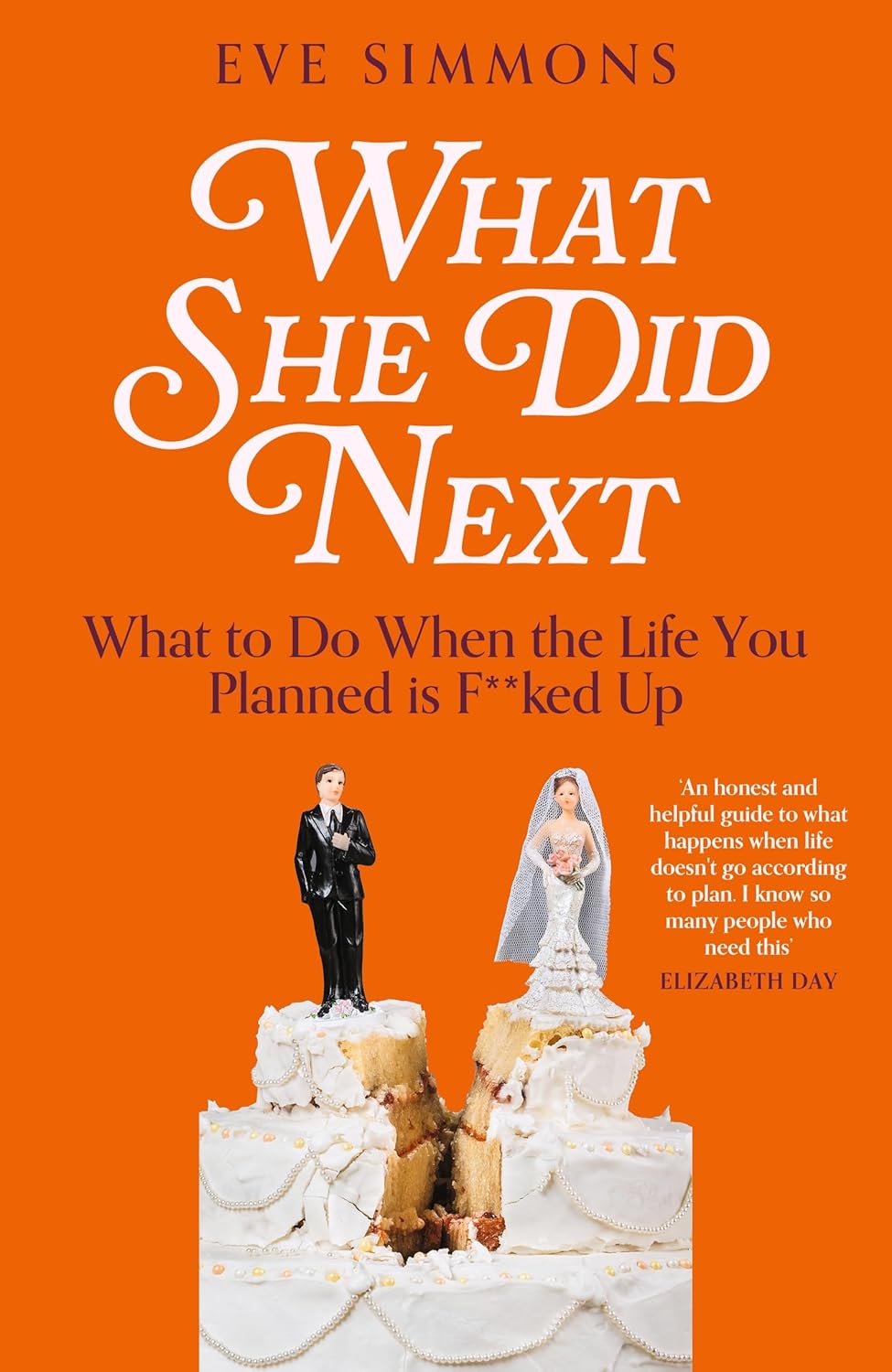
“What happened to you is not uncommon,” says Aina Khan OBE, a London-based divorce lawyer and campaigner for marriage reform. “We see people living together for long periods of time and they seem to be happy. Then they get married and things seem to go downhill. One of them changes their mind.” I’ve packaged two years of research into a book, What She Did Next, which documents world-shattering divorces of 16 women (and two men), explores what went wrong and, crucially, details how they all found the courage to begin again. They are, without exception, far better off as a result of their shock redirection.
It took two and a half years and a trawl through heartbreak-related data before I realised the signs of my breakup were, in fact, there for months, maybe even years. The first: a quiet and sudden withdrawal from my family. My ex was always the first to offer his DIY skills when my mum needed a hand. Having lost my dad to cancer in her late forties, she could often do with a strong arm around the house. But in the month before the breakup, the can-do attitude appeared to disintegrate. He was no longer endlessly patient with my mum’s requests to reignite her wifi or move a weighty dressing table. In fact, he was so angered at being asked to help fix a tilted drawer that he broke it. His exasperation eventually turned into outright rudeness when he barely looked up from his phone when my mum gave him a “congrats on your new job” card. He barely looked up from his iPhone when in her company. I put it down to exhaustion. Now I know it was a sign he’d checked out of us, and that included my family.
The second sign was a telling conversation a fortnight before the end, which I now know to be a screaming red flag. One Sunday morning, he’d come home from the gym visibly upset. I pleaded with him to sit on the end of the bed and share the load with me. For the past few weeks, he said, he’d been feeling ignored and dismissed; I didn’t give enough time to his professional achievements. He’d been “forced” to get this type of affirmation from work colleagues, who had made him feel “seen”. One of these colleagues, I know now, is the woman who he crushed on so hard it propelled him to end his marriage. Now I realise, if a man feels he’s lacking attention, there’s a good chance he’ll seek it somewhere else.
An extension of this is a series of life improvements that could resemble what is sometimes known as a “glow up”. In the months leading up to our breakup, my ex acquired new skills; he became really good at tennis and finally, at the grand old age of 30, passed his driving test. He’d also just got a new, highly paid job and lost a significant amount of weight in the run-up to our wedding. Had this made him feel he deserved more attention, more adoration?
Alice, now 34, who divorced her husband of 18 months in 2022, spoke of a similar pattern. “For the first few years of our relationship, he worked for a sports marketing agency, which paid him a salary that wasn’t great,” says Alice, a solicitor who was the breadwinner throughout their six-year relationship. A couple of months before he, out of nowhere, called it quits, he got a new dream job working as a marketing executive for a motorsport company. It involved spending time at racetracks, schmoozing with young, female supporters. Their breakup was sparked by a series of texts he’d received from Instagram models that popped up on his phone after a week-long trip. Alice recalls: “I called his brother and the first thing he said was, he’s suddenly got this fancy promotion and he’s earning more money and he’s surrounded by these young girls who are stroking his ego.”
“I think when there’s an insecure, millennial man, as much as they are attracted to an independent, self-sufficient woman, their egos ultimately can’t handle it,” she adds. “They thrive off feeling like they’re worshipped, or that there is a girl who is super-reliant on them.”
Most of the blindsided women I spoke to recalled a period of detachment that was explained by their ex as an episode of mental health trouble. Interior designer Zoë endured a full year of her husband’s “depression” in the run-up to their breakup in 2021. He’d go for solitary walks to “clear his head” at dinner times, and told her his lack of sexual appetite was due to Covid-related depression. “I thought, this is my opportunity to be a fantastic wife and put my needs aside and prioritise him,” says Zoë, now 38. “And so that’s what I did for a year.” It turns out depression wasn’t to blame for his distance at all, but the eight-month affair he was having with his colleague. “I think people can work through affairs if they both really want to make it work,” she says. “But what clinched it for me was the way he had treated me and the extent of his lies. He let me believe he was struggling and desperately unhappy when in fact he was off having a lovely time.”
A lapse in regular communication style can be another giveaway. Some women I spoke to remembered oddly formal texts, while others mentioned a sudden stop to phone calls. For me, it was the end of the “I’m almost home babe” message. Like most cohabiting couples, it was rare that we didn’t know where the other was after 6pm. On the odd occasion either of us partook in after-work drinks, we’d keep each other constantly updated on our whereabouts, as well as juicy snippets of office gossip. But one day the check-ins stopped. On the week of the breakup, his return home edged later and later.
Meanwhile, I engaged in obsessive phone-checking, panicking that he’d either lost battery and therefore would have no way to get home, or collapsed. I tried not to text him; there was a minuscule chance he was having too much fun to be on his phone, and I decided solitary anxiety was better than bunny-boiler wife. When he did eventually creep into bed in the early hours smelling like craft beer, I pretended not to care. Nothing funny was going on; we’d only just got married, I thought. It turns out his flirty conversations with Jen at work had distracted him from the impetus to tell his wife he’d be missing dinner.
Finally, there’s a sign that will be familiar to anyone who has witnessed the protracted decline of a long-term relationship; they stop telling you you’re hot. Zoë’s husband cruelly rejected her proposal to spice up their sex life with adult toys a few weeks before his affair came to light. “It just made me feel ashamed for wanting to have sex with my own husband,” she says. I, meanwhile, recall two occasions in the final few months of our matrimony when I cried about his lack of physical affection.
On one of them, I stood in a restaurant wearing a wildly over-the-top figure-hugging dress and begged him to tell me he found me attractive. He didn’t. We spent the entire journey home arguing. It is normal to lack an impulse to rip the clothes off your partner of a decade. But failing to acknowledge – and respond to – needs for physical affection is a big fat sign to get the hell out of there. Now, three years later, I don’t settle for anything less than adored. Because that’s the least that everyone deserves.
What She Did Next by Eve Simmons is out on 8 January 2026 by Dialogue books and available to pre-order now
Join our commenting forum
Join thought-provoking conversations, follow other Independent readers and see their replies
Comments
Bookmark popover
Removed from bookmarks