Are you tired all the time? This is when you should see your GP
Your symptoms might give you an idea of what’s causing your fatigue

While it is easy to attribute fatigue to demanding schedules, late nights, or work-related stress, persistent tiredness that begins to interfere with daily life could signal a more significant underlying health concern.
This piece offers expert GP-backed advice on distinguishing between ordinary weariness and chronic fatigue.
It also explores some of the most common reasons for ongoing exhaustion.
Is fatigue common?
“Fatigue is an extremely common symptom seen in general practice,” says Dr Angela Rai, GP at The London General Practice.
“Feeling tired is a normal part of life, but it can also be a symptom of illness. There are numerous causes of tiredness including poor sleep, dehydration and stress, especially around Christmas time, as well as medical causes.
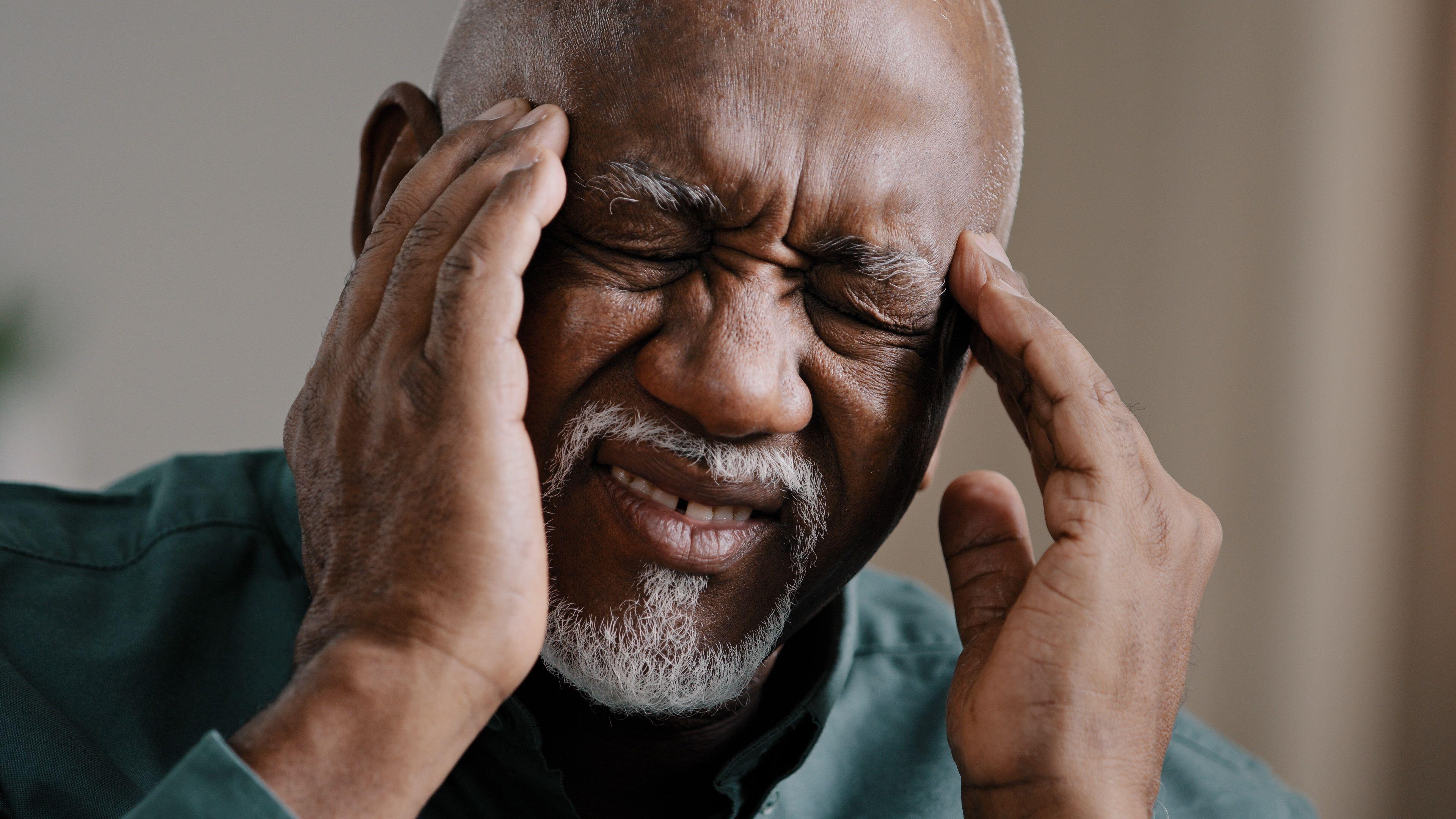
“The symptoms of ‘tired all the time’ (TATT) can be difficult to manage. However, seeing your doctor can help rule out more serious conditions.”
How can we distinguish normal tiredness from chronic fatigue?
“Chronic fatigue is a term usually used for Chronic Fatigue Syndrome, otherwise known as Myalgic Encephalomyelitis,” says Rai. “Symptoms of this condition include feeling tired all the time.”
One of the key differences to look out for is that with Myalgic Encephalomyelitis, symptoms are present for longer and are associated with other symptoms including insomnia, problems with thinking, concentration and memory, explains the GP.
“There may also be flu-like symptoms, fever, headaches and aching joints or muscles,” adds Rai. “It can be a difficult to diagnose, so expert opinion should be sought for guidance and management.”
How can you find out the cause of your fatigue?
“It’s essential to have necessary investigations to identify causes of fatigue,” says Rai. “A simple blood test can identify most causes of fatigue.”
Some common reasons for fatigue…
Anaemia
“One of the most common reasons for feeling constantly run down is iron deficiency anaemia,” highlights Rai. “Women with heavy periods are prone to anaemia, and this can be easily confirmed on a blood test and treated with iron tablets. Severe cases can be treated with an iron infusion.”
Stress
“If there are no obvious physical causes, then it may be a psychological issue such as stress,” notes Rai. “Stress causes high levels of cortisol and, in turn, this affects sleep quality causing insomnia and unrefreshed sleep.”
Hypothyroidism
“An underactive thyroid is when the thyroid gland does not produce enough thyroid hormone (thyroxine) and this slows down metabolism, leading to tiredness, weight gain, increased sensitivity to cold, constipation and many other symptoms,” says Rai. “A blood test can diagnose an underactive thyroid.”
Diabetes
“Diabetes is a metabolic disorder where there is a high level of sugar in the blood for prolonged periods of time. This can lead to tiredness, excessive thirst and frequent urination,” explains Rai.
“There is a risk of complications with diabetes, especially if left untreated, such as cardiovascular disease and kidney disease.”
Glandular fever
“Glandular fever is a common viral condition that usually affects teenagers and young adults,” says Rai. “Symptoms include fever, sore throat and swollen glands.
“A blood test for Epstein-Barr virus can be performed to diagnose glandular fever. Most people recover in two-three weeks, but the tiredness symptoms may linger for several weeks or months.”
Obstructive Sleep Apnoea (OSA)
“OSA is a breathing problem that occurs while asleep,” says Rai.”The throat muscles intermittently relax and the throat narrows, interrupting normal breathing.

“A noticeable sign of OSA is snoring, awakening abruptly gasping or choking, observed episodes of breathing cessation during sleep and daytime sleepiness. There are psychologists who can help with sleep disorders and use sleep therapy to help improve sleep levels and quality of sleep.”
Vitamin B12 and folate deficiency
“These vitamins help perform important functions in the body including keeping the nervous system healthy,” says Rai. “Deficiency can lead to symptoms such as extreme tiredness, sore tongue, mouth ulcers and pins and needles. It’s important for these deficiencies to be diagnosed and treated as soon as possible.”
Depression and anxiety
“Mood disorders can make you feel sad and anxious as well as disrupting sleep, causing difficulty in falling asleep and early-morning wakening,” says Rai. “Feeling drained of energy and tiredness are common symptoms of anxiety and depression.
“If mood conditions such as anxiety or depression are diagnosed, then this should be managed and therapy such as cognitive behavioural therapy may be useful.”
Bookmark popover
Removed from bookmarks