Expect these 4 changes to your body this fall
Millions of Americans are affected by the transition from summer to fall – with both mental and physical effects
The days are getting darker and colder across the country, bringing multiple health hazards along with them.
The body responds to these seasonal shifts in a number of ways with the transition also affecting mood and energy, leading many to feel drained or depressed.
This can last throughout the winter.
The days only start getting lighter after December 21, the day of the year with the most hours of darkness.
Experts highlight four changes Americans should be aware of over the next couple of months.
Face the day
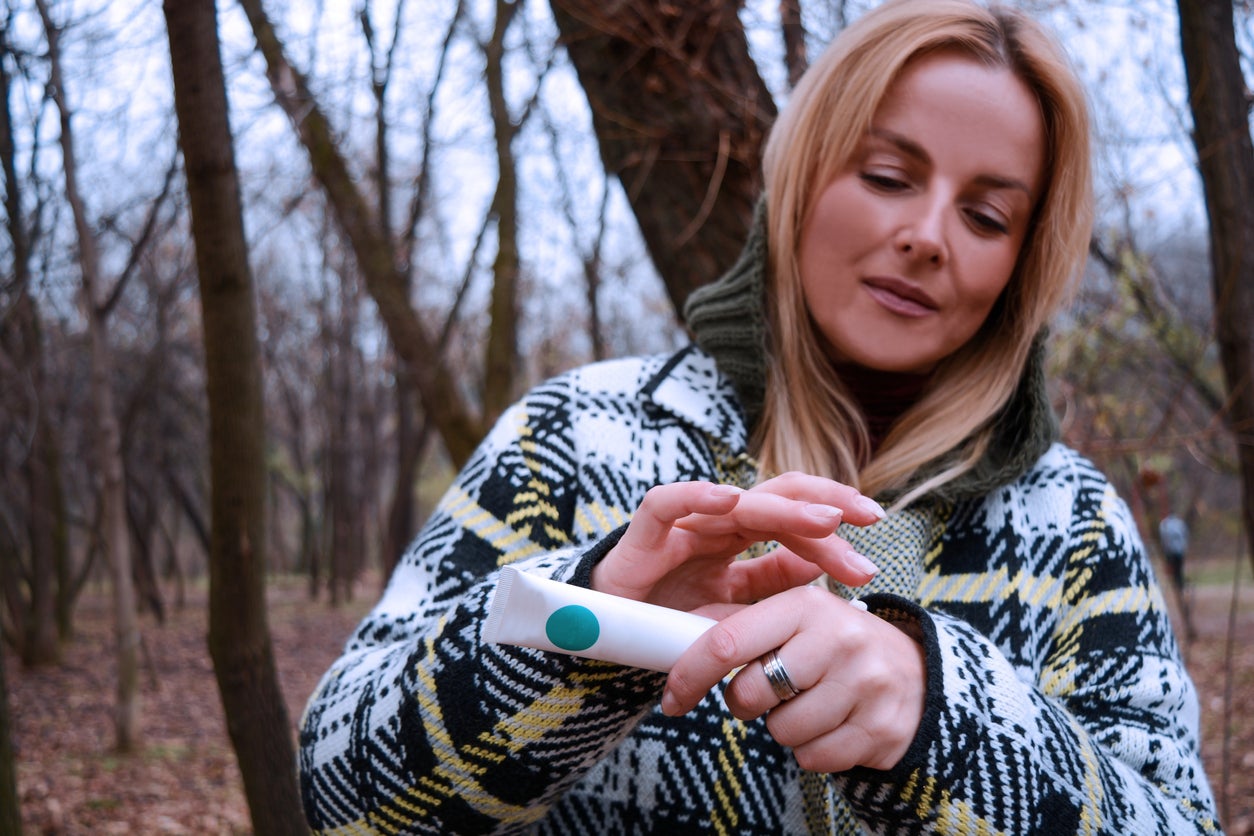
The skin is the largest organ, protecting us against heat, light, injury and infection.
Cooler weather and drier air can mean dry skin, if you don’t moisturize. This is because cool air holds less moisture than warm air.
Keeping the skin hydrated is important, as it can break down over time and lose its elasticity, increasing the appearance of wrinkles.
Make sure to put lotion on daily, drink lots of water and wear warm layers to protect yourself.
Drowsy vibes
Is the dark making you tired? You’re not alone.
People naturally produce the hormone melatonin before going to sleep at night, and this process stops in the morning.
But in the darker months, you actually make more melatonin, according to the Cleveland Clinic.
“In winter, there’s less sunlight in the day and it stays dark longer, so your body naturally releases more melatonin in response,” it says.
To counteract these effects, researchers suggest taking vitamin D supplements. But you don’t need much. Just 15 micrograms is recommended by doctors.
A tough time getting out of bed
Shifts in temperature can bring stiffness and joint pain, according to Massachusetts’ Mobility Bone & Joint Institute.
Muscles become tighter when they are cold and blood flow to the limbs can slow.
“Gentle physical activity helps keep joints moving and improves circulation. Even a short walk or light stretching can make a noticeable difference in joint flexibility,” the institute advises.
Feeling the blues
Seasonal affective disorder can affect mood, thinking and behavior. It may even lead to weight gain, according to Premier Medical Group.
The reduced level of sunlight impacts serotonin, or the “happy” hormone, Mental Health America notes.
Approximately 10 million Americans experience this disorder – also known as “SAD” – in the U.S., and Boston University researchers say women are four times more likely to be diagnosed with it than men.
But, light therapy can help counteract these effects.
“Especially in the winter, our bodies react to the gray, cold weather and lack of natural sunlight,” psychologist Adam Borland told the Cleveland Clinic. “What light therapy does is compensate for the lack of exposure that we get from natural sunlight.”
Join our commenting forum
Join thought-provoking conversations, follow other Independent readers and see their replies
Comments
Bookmark popover
Removed from bookmarks