River Cottage smoking and curing course review: Bacon sandwiches are about to get sweeter
Self confessed bacon lover Emma Henderson visits River Cottage to learn how to cure her own and never buy shop bought again...
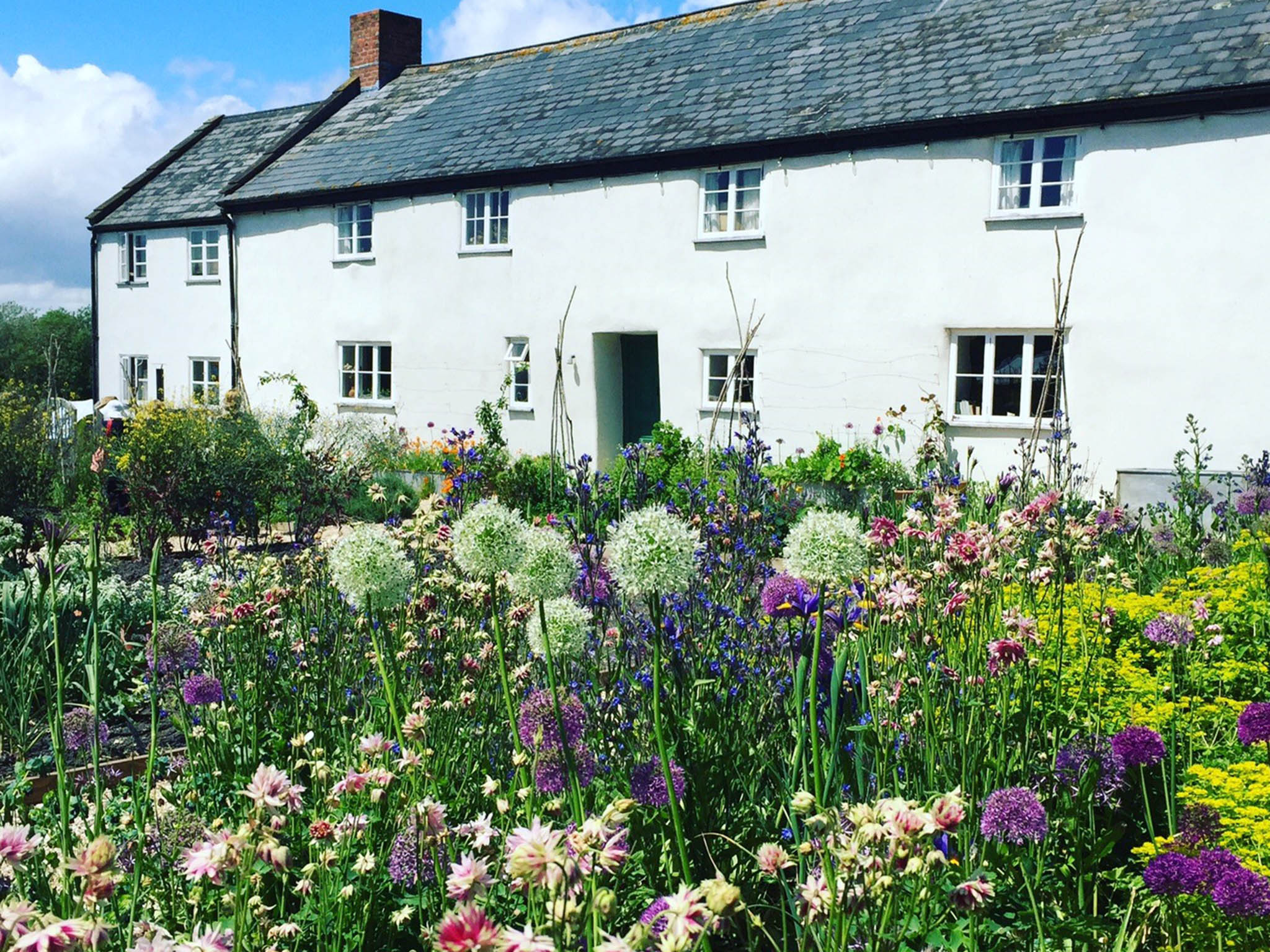
Smoked bacon is a staple for me. As is mature cheddar. They will always be in my fridge – they’re like my milk and bread. I’ll only have fresh bread at the weekend when I’m eagerly awaiting my Saturday bacon sandwich. And neither of my desert island products would be possible without the ancient art of smoking and curing.
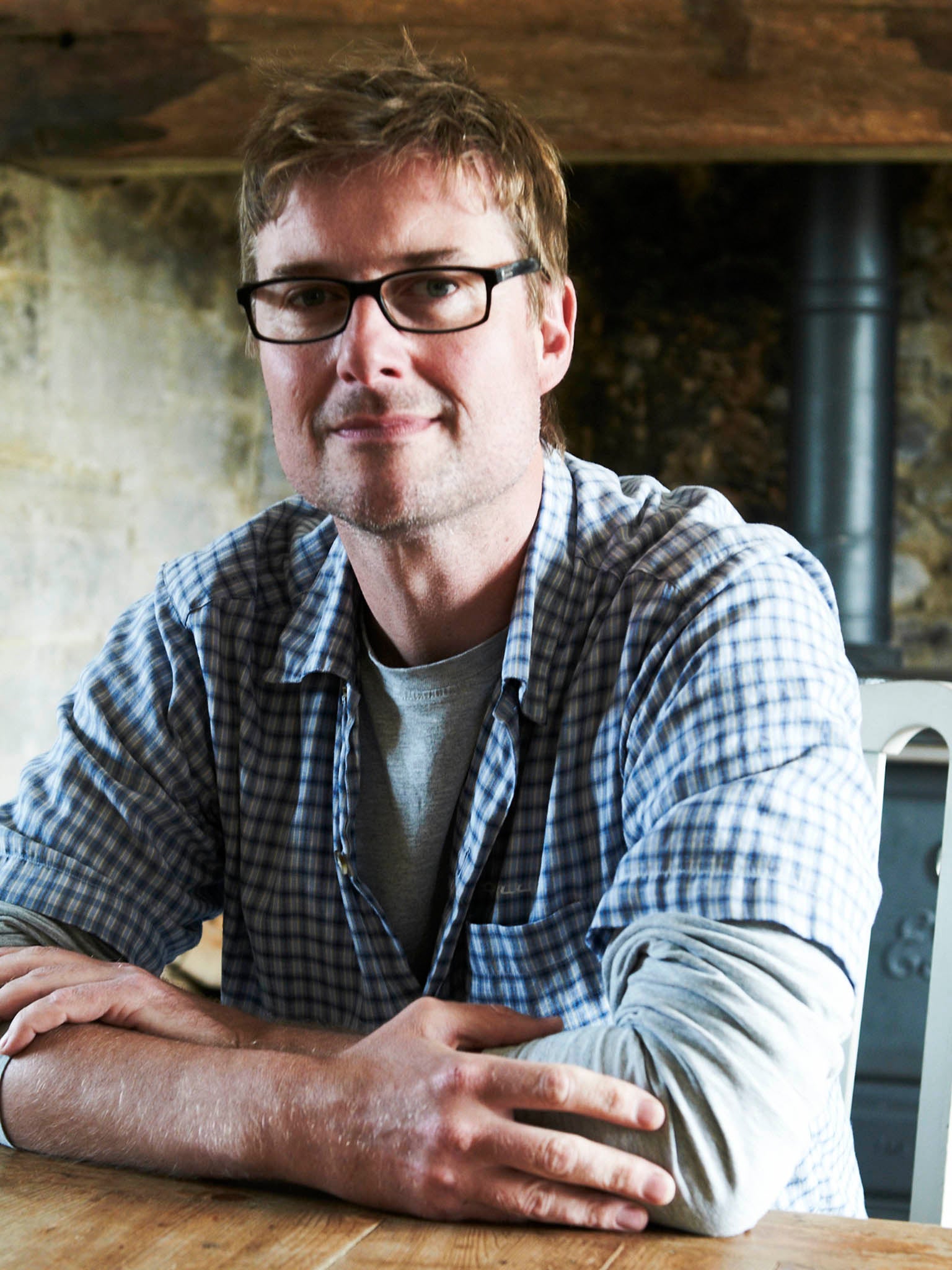
At Steve Lamb’s course at River Cottage, which borders Devon and Dorset, he begins by saying his goal for the day is to make us never buy mass-produced bacon again.
For him it’s all about bringing us closer to the source of what we eat. Which, he writes in Curing & Smoking: River Cottage Handbook, means giving a “bit less space to the middlemen and regaining control”.
The day begins with a tasting of different cured meats (and sipping cider at 10am in the morning). We’re told we won’t stop eating all day… great news. From warm chocolate cookies to constant tasters from the kitchen of what we’re making (a Blue Peter-style, “here’s one I made earlier”) to a three-course lunch and more tasters. It is, as it said on the tin, food filled.
First off it’s cured bacon compared with pancetta and bresaola. We learn the golden rule of how to cure meat with salt. I won’t reveal what that is now: that’s Lamb’s job, and after he eloquently explains how it all works, and we get practising on making cures.
It’s this ancient artisan skill of curing, born out of necessity, that he’s become so obsessed with, and is now River Cottage’s expert, or “guru” as Hugh Fearnley-Whittingstall puts it in the intro of Lamb’s book.
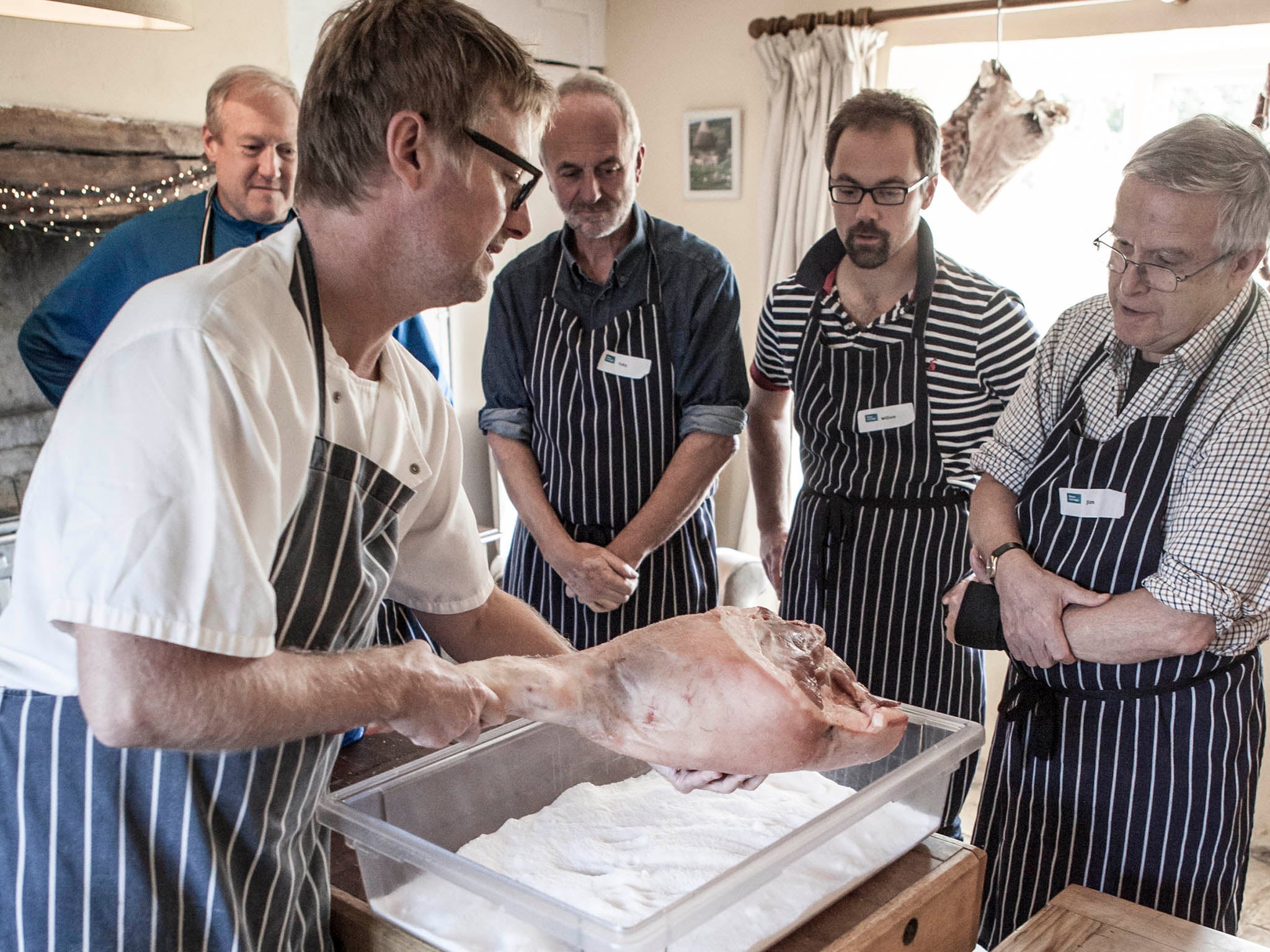
Lamb’s been at the farm since its beginnings (this year celebrates its 20th anniversary) and even lived in the farm house (as seen on the TV programmes) before having children. Now, thanks to the invention of fridge, chemicals and the mass production of convenience food, the skill has become reduced to a choice of preference.
Smoking and curing date back to 3500BC when long before fridges, treating meat in this way most importantly prolonged its life as well as flavouring it, making it one of the earliest documented food-preservation techniques.
It’s a real step up from the homely skills, such as roasting or braising, that most home cooks will be au fait with.
But this vastly betters our culinary repertoire, and thus the food we eat. Once one can cure meats, there’s little reason to buy bacon from the shops again (music to Lamb’s ears).
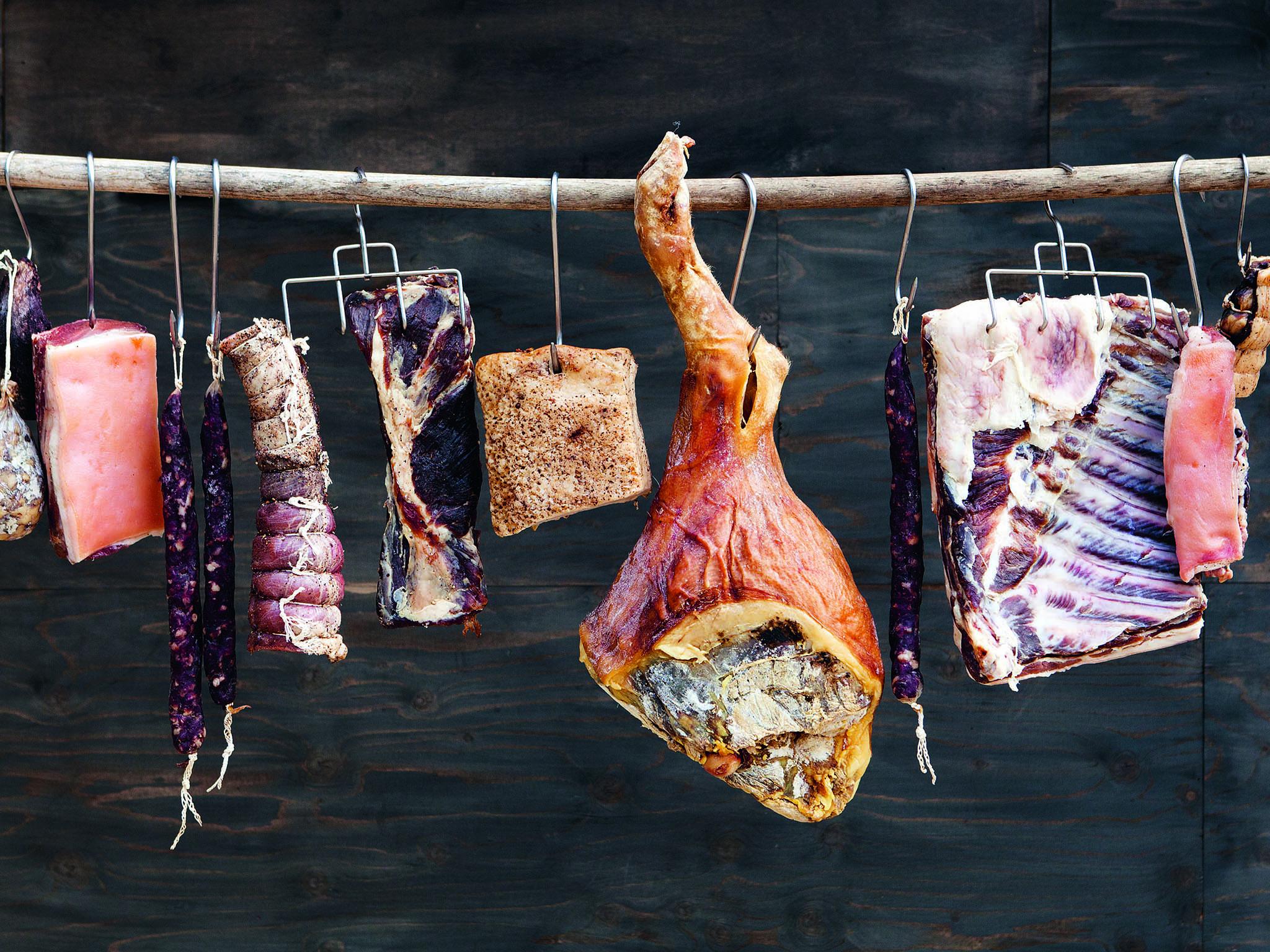
During the course, Lamb explains that River Cottage HQ doesn’t use nitrates when smoking; they’re normally only used at commercial level. And it’s the nitrates which, when heated up during cooking, become carcinogenic. “In Italy, it’s illegal to make cured meats with nitrates, but in the UK, it’s illegal not to,” he tells us. We have become dissociated with the craft, while Italy preserves it.
Outside, we see the different ways to store and hang your meat, from professional-style walk-in chillers (that are best for summer) to an ever-so-rustic wall-less building – simply a roof, supporting posts and a central hook – which lets the air age (and flavour) the meat. “Is air-ageing only suitable for non-city dwellers?” I ask, thinking of my flat sitting under Heathrow’s flightpath and wondering what flavour that might give to my bacon…
But apparently if we breathe the air (however begrudgingly), it’s fine to age your meat in. From September onwards is when you can hang the meat outside as flies are not as prominent and won’t be laying their eggs in your beautiful cuts.
The afternoon is when we come to smoking: hot and cold; fish, meat and cheese.
“If you’ve lost the taste of the original food, then you’ve over-smoked,” says Lamb, who explains he prefers a lightly smoked flavour and mixes three flavours together using hardwoods, always.
We step outside to see his own hand built cold-smoker, which more closely resembles Miss Trunchbull’s chokey from Roald Dahl’s Matilda: wonky, rusty nails banged in randomly. But he’s rather proud of it.
He says he’s seen a real increase in interest in the course over the past few years as people become more concerned about where their food comes from, and return to a DIY attitude rather than leaving their food decisions up to strangers.
At no point does the course feel daunting or overwhelming. Lamb’s expert knowledge and relaxed storytelling makes it feel like an accessible, everyday activity. But you feel like you’ve opened doors and learned a new skill, and new way of living.
Soon I’ll have my Saturday bacon sandwich made with the fruits of my own labours. And oh, how much sweeter that’ll taste.
For more information on River Cottage courses visit rivercottage.net/cookery-courses/calendar. Use code INDY before 30 September for up to £50 off selected courses
Join our commenting forum
Join thought-provoking conversations, follow other Independent readers and see their replies
Comments
Bookmark popover
Removed from bookmarks