Paris Men’s Fashion Week champions sharp dressing built to last
Traditional tailoring underwent a significant reinterpretation, with designers focusing on rebuilding rather than merely styling classic suits and jackets
Paris Men's Fashion Week concluded on Sunday, delivering a clear dual message from the runways: a renewed emphasis on sharp dressing and a commitment to crafting garments built to endure.
Designers showcased innovative approaches to menswear, blending contemporary aesthetics with a call for timeless quality.
The coat emerged as the season's undisputed key item, presented in long, tailored silhouettes designed to command attention.
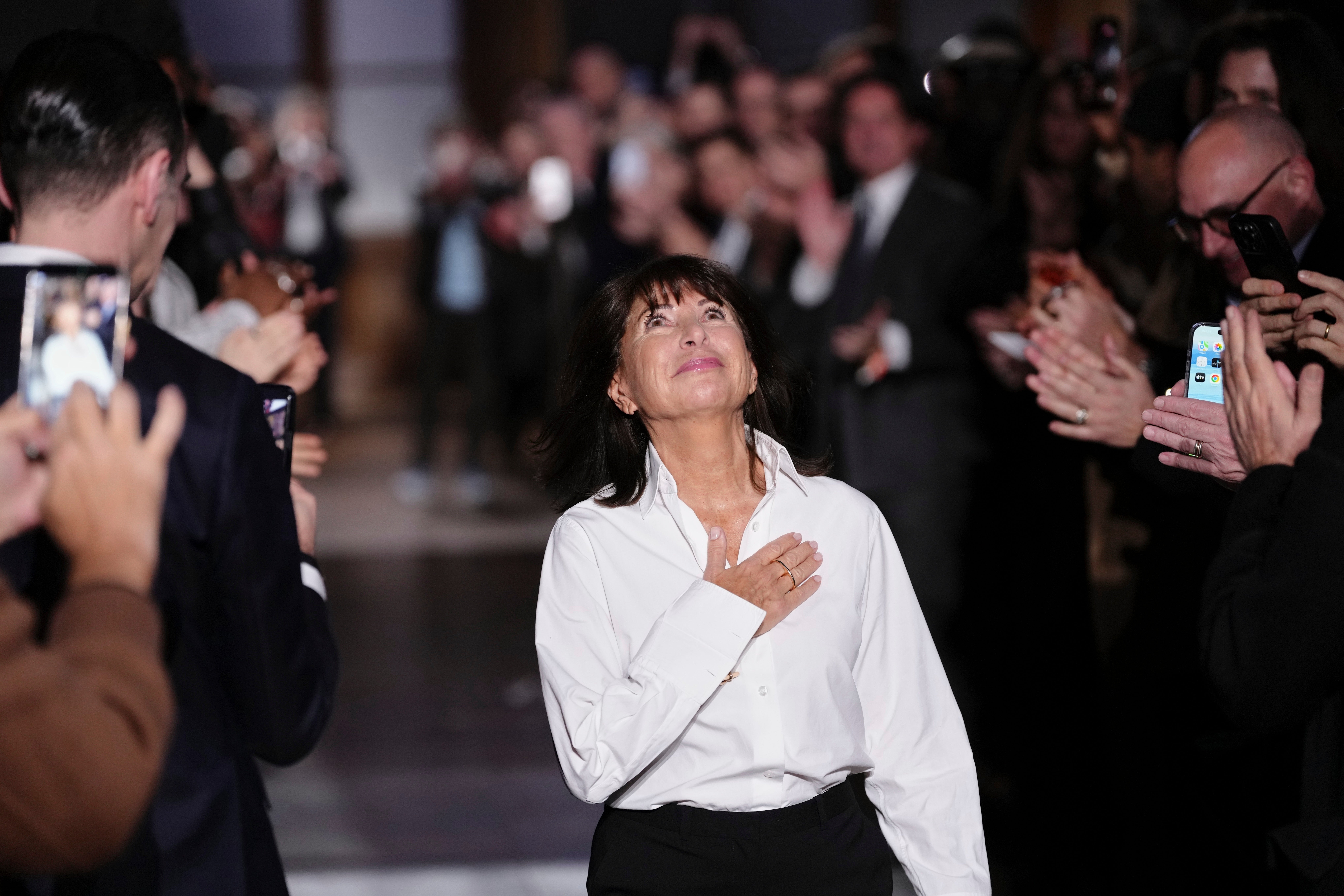
At Hermès, Véronique Nichanian marked her emotional farewell after 37 years with a striking dark crocodile leather coat, alongside aviator-inspired shearling bombers and accessories like boxy overnight bags and boots with vibrant orange soles.
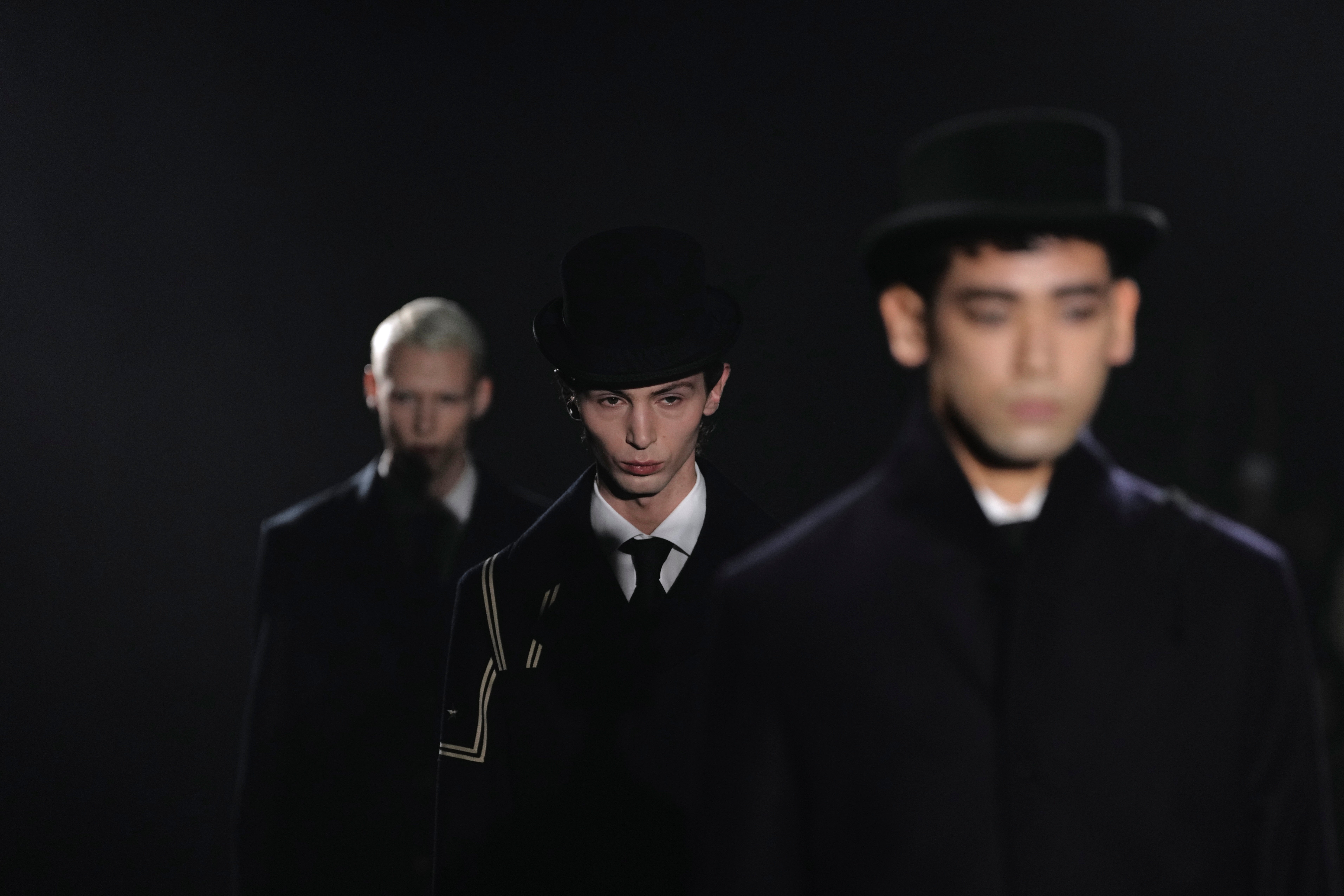
Junya Watanabe similarly placed coats at the heart of his collection, reimagining classic camel and navy styles by integrating sportier elements such as bomber backs, leather jacket fronts, and down-jacket quilting, lending a tougher, modern edge to formal outerwear.
Traditional tailoring underwent a significant reinterpretation, with designers focusing on rebuilding rather than merely styling classic suits and jackets. Sacai's Chitose Abe introduced new sections, panels, pockets, and quilted inserts, often based on a triangular motif, to jackets, trousers, and outerwear. Her collection, which included collaborations with Levi’s and A.P.C., aimed to reshape the silhouette while maintaining wearability.
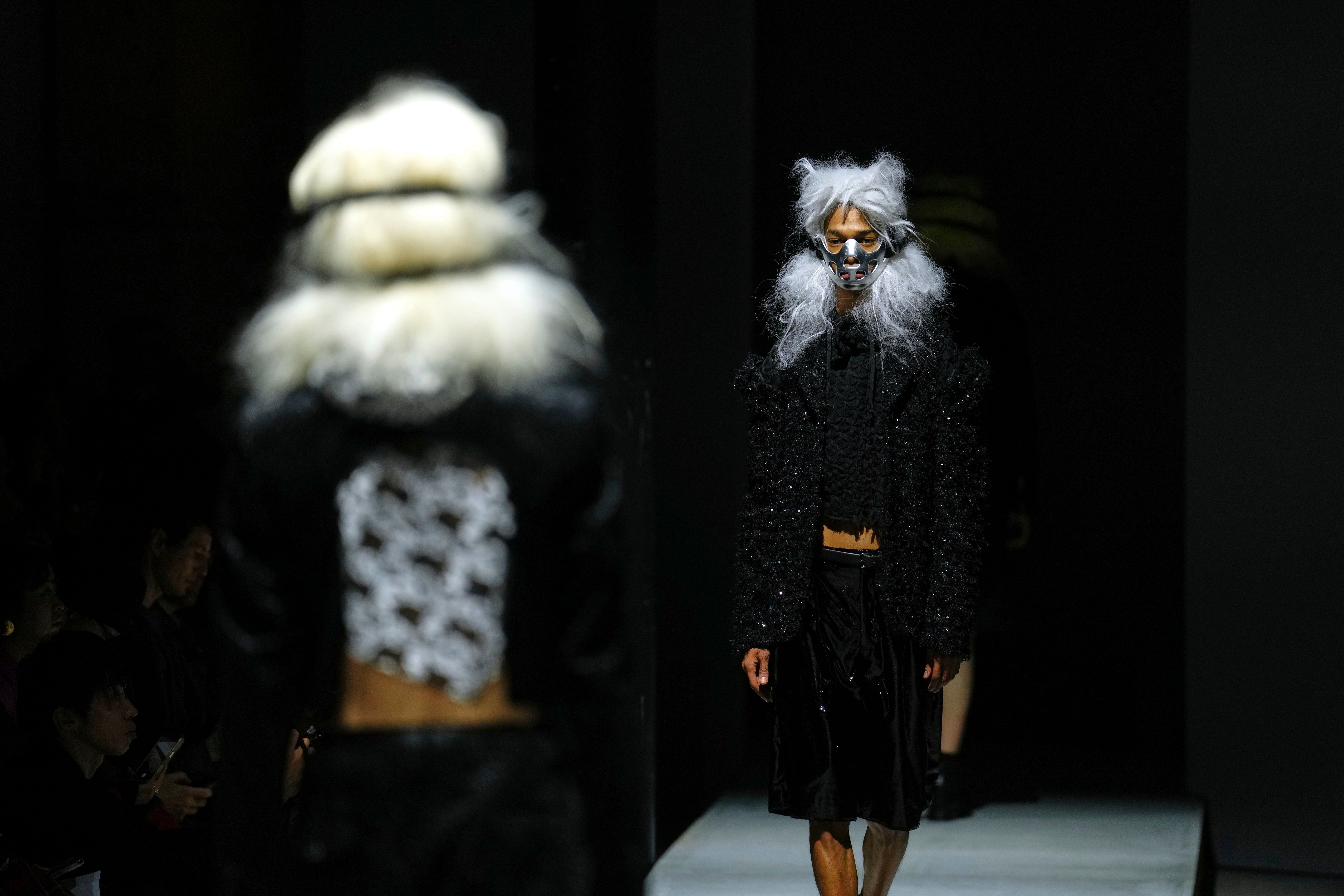
In contrast, Comme des Garçons Homme Plus, under Rei Kawakubo, adopted a more radical approach, cutting into black suits and coats to alter lapels and hems, before transitioning to white versions as the mood shifted from dark to bright. Despite intense styling with wigs and masks, the underlying message remained, tailoring as the foundational element.
A trend towards understated elegance, where craftsmanship was subtly embedded within the cut, also gained prominence.
Kiko Kostadinov stripped away overt decoration, prioritising construction with clean coats and jackets featuring folded panels, curved collars, and precise drape, often in black and mineral tones. Details were deliberately concealed, such as buttons hidden behind plackets, allowing shape and movement to speak for themselves. This "quiet" approach often coexisted with a dressy yet edgy aesthetic.
Junya Watanabe's serious presentation, complete with a café-table set and Miles Davis soundtrack, featured sharply tailored black denim pieces (from his Levi’s collaboration) styled as a modern uniform.
Louis Gabriel Nouchi pushed this further in an underground car park, blending sharp coats and dark tailoring with provocative, body-hugging pieces and graphic references, aiming for clothes that are both wearable and impactful.
Amidst the fashion industry's relentless pace, a powerful counter-narrative emerged, advocating for longevity and a slower approach.
Nichanian at Hermès notably included designs from decades past to demonstrate their enduring relevance, offering a simple parting message: "Slow down." Yosuke Aizawa of White Mountaineering also framed his final show as a long-term statement, presenting technical outerwear, strong colours, and meticulous pattern work as the culmination of a 20-year chapter, rather than a fleeting trend.
Ultimately, Paris Men's Fashion Week did not conclude with a singular aesthetic, but rather a distinct mindset. The collections signalled a return to sharper menswear, yet reimagined for modernity through innovative construction, robust outerwear, and a clear emphasis on creating pieces designed to remain staples in a wardrobe for years, not just a season.
Bookmark popover
Removed from bookmarks