Commuter core: How work took over our wardrobes and turned us all beige
As Sophie Turner takes to the small screen in new office drama ‘Steal’, Lydia Spencer-Elliott investigates how bland workwear has gained a vice-like grip on our day-to-day dress sense – and whether it’s possible to escape

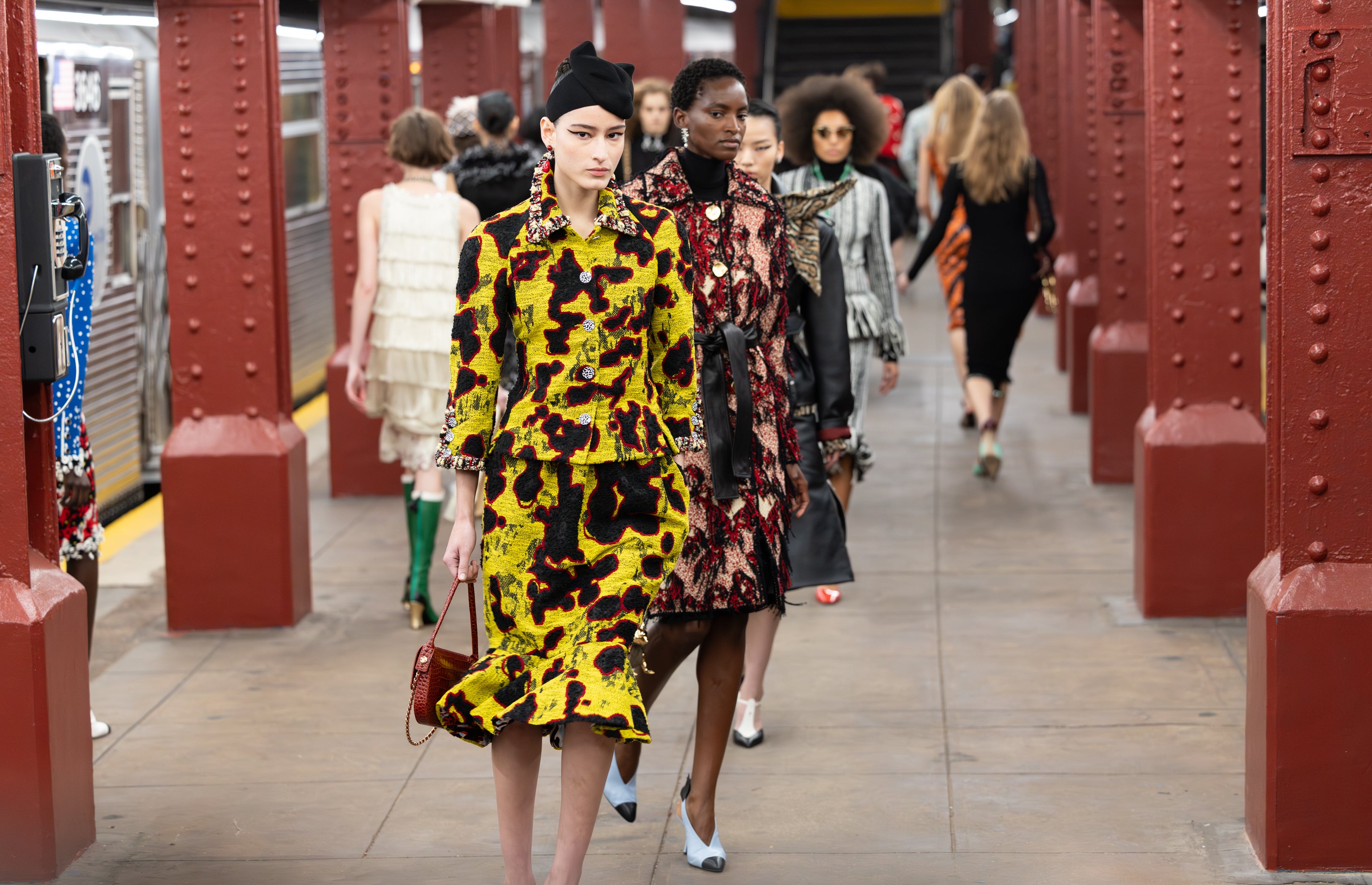
When Matthieu Blazy’s first Métiers d'Art collection for Chanel debuted in a disused New York subway station on the Lower East Side last month, the semi-newly minted artistic director was heralded for bringing “a joyful cavalcade of personalities” to the fashion house that had previously been somewhat stuck in a tweed skirt suit rut. Jeans made of silk, billowing black opera capes, sequinned flapper dresses and every type of animal print adorned models as they marched down the platform to pews of elated industry insiders.
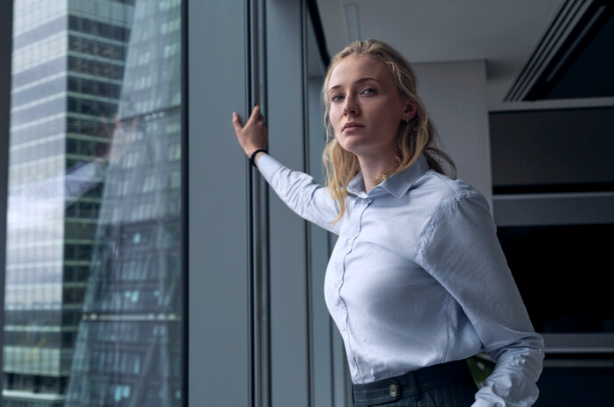
Cut to my commute at 7am on a London Monday morning, and the Northern line to Moorgate fails to inspire such delight. As André Leon Talley famously exclaimed in the 2009 fashion documentary The September Issue: “It’s a famine of beauty!” Every passenger, whether a finance bro or marketing manager, is dressed in shades of grey, beige, navy, and white. Neutrals are our uniform – and everyone looks decidedly glum about it. We’re an ashen shoal of moonfish; identical and dull. Turn to the TV, where Sophie Turner stars in Amazon’s new corporate drama Steal, and the style is similarly saddening (trench coats and pale blue button-downs). Couldn’t she even have had a statement shoe?
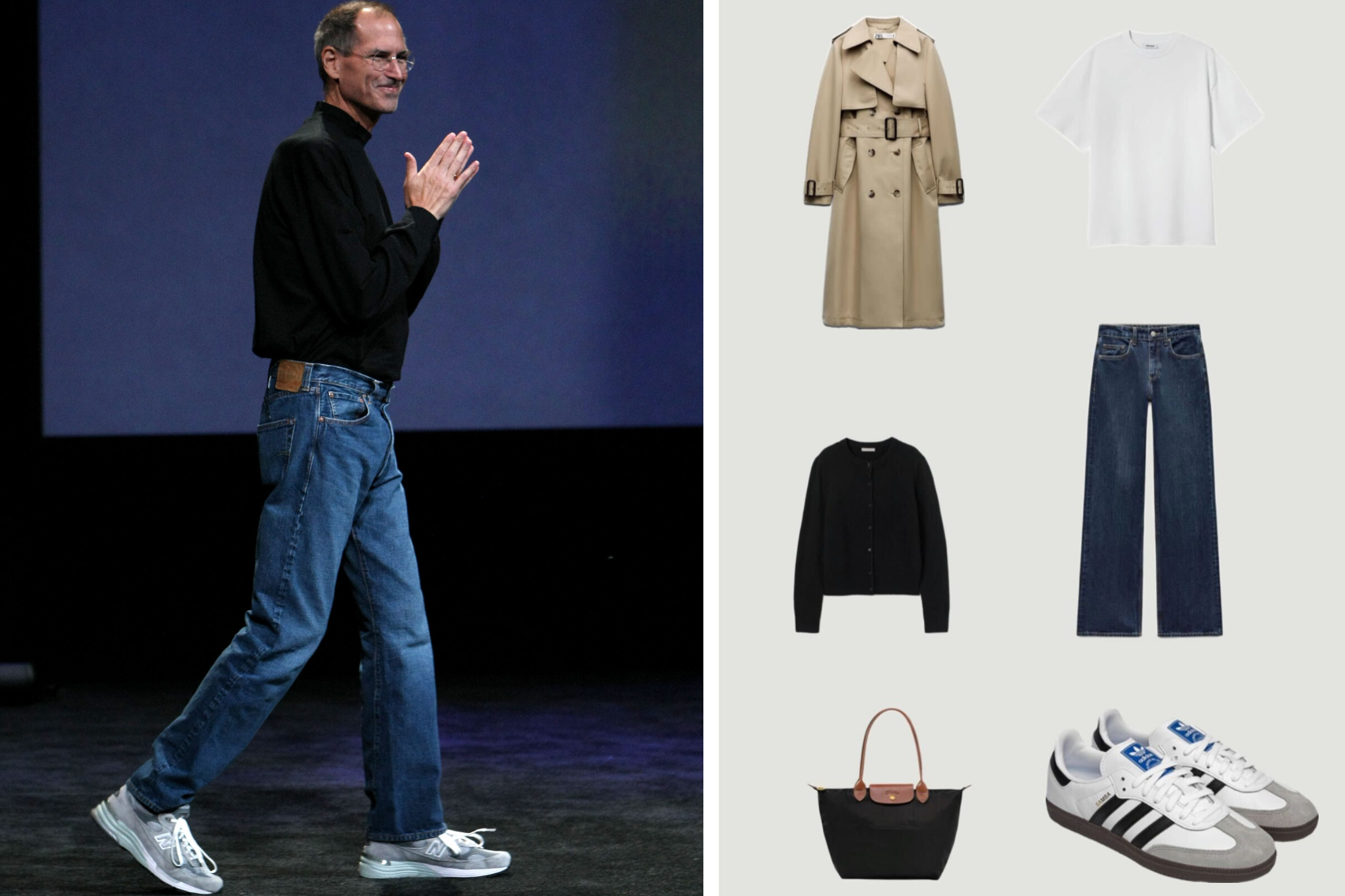
The holy grail commuter girl uniform is currently as follows: black trousers (jeans if you’re that type of workplace), basic white T-shirt, Longchamp bag, trench coat, Adidas sambas and a claw clip. From South Wimbledon to Soho, you cannot escape the various alternations and reimaginings of the bare bones of this outfit. I see it so often I feel like I’m losing my mind – until one day I’m wearing it too.
“This could be a result of algorithm dressing,” says personal stylist Manisha Sabharwal. “The young professional demographic are consuming very similar content and therefore dressing alike. Plus, this uniform is easy to replicate and it’s highly functional. It’s made up of pieces people already have, so it’s accessible to most.”
The look gets so omnipresent that one day, my own father asks me why all the women my age (29) are “dressing like detectives” daily. Really, the only crime here is against self-expression.
One culprit for this monotonous style taking over train carriages and beyond is thought to be the limp economy, as well as the lobotomising power of the internet. “Those pieces are low-risk investment pieces,” explains Sabharwal. “Right now, consumers are really avoiding any dangerous fashion purchases. But the claw clip, for example, is a quick, easy and dopamine-boosting purchase. It’s very easy to justify it. Meanwhile, trench coats, white tees and tote bags are all considered very hard-working capsule wardrobe pieces – that’s what most of my clients are making huge efforts to build.”
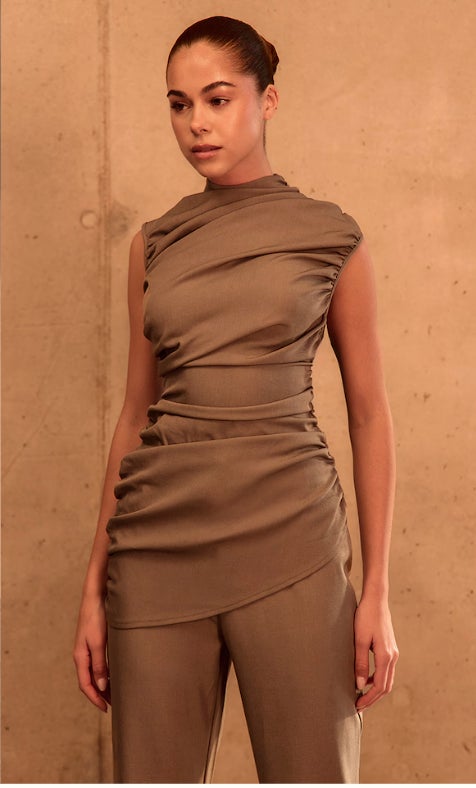
When the economy is bad, we change how we look. Brunette hair is more popular than blonde, because it doesn’t cost upwards of £200 to maintain every eight weeks. We opt for sad beige colours because they go with everything. As noticed by Leonard Lauder (the heir to Estée Lauder) in 2001, lipstick sales boom, because they’re a small, affordable treat. Hemlines get longer. High heels get higher and everyone opts for “clean girl” nude-toned manicures so they can grow out unnoticed for weeks.
All of this leaves us looking a little drab. While this phenomenon has been called everything from “90s neutrals” to “frugal chic” – it’s dampening the mood of both the wearers and the witnesses. “Oh my God,” says my American friend visiting from San Antonio, Texas, as she climbs aboard the Northern line. “Everyone looks so sad. What happened?” It’s hard to know where to start.
One phenomenological study found that wearing outfits that people describe as “happy” can correlate with improved well-being, positive emotion, and a stronger sense of identity. Importantly, however, “happy” outfits denote looks that participants felt genuine in. Other research has found that discomfort or dressing in ways that don’t fit self-identity can create incongruence and emotional tension. So, it’s important to find a balance between cheeriness and authenticity. Happy outfits helped participants feel confident and energetic, if they felt like themselves.
As well as being cash poor, we’re also time poor. “Adopting any uniform style saves you time and decision-making. In times of constant overload, having a simple go-to outfit formula may feel like quite a welcome relief, just one less thing to think about,” says Sabharwal. Where having a “uniform” was previously adopted by tech giants like Apple founder Steve Jobs, who dressed in a black turtle neck, blue jeans and New Balance trainers everyday to “focus [his] energy elsewhere”, now the 2026 everyman - and everywoman - has the same deficit of mental bandwidth required to dress for fun.
If you want a simple piece of evidence for just how bland we’ve gotten, remember the Pantone colour of the year was “Cloud Dancer” (white).
This lack of sense of occasion is also trickling into our time off, too. Similar to the first half of the 2010s where millennials wore peplum tops, blazers and city shorts to the club, many Gen Z now look more like they’re heading to a boardroom meeting than the pub when they step out for a night out, dressed in blazer dresses and neutrals. PrettyLittleThing, a once fast-fashion brand where teens and twenty-somethings scored their partywear from 2012 onwards, rebranded to a borderline business casual label last March. “You’re 20 and you’re dressed like a corporate lawyer in the club,” complained a TikTok user. “I am so over this clean girl aesthetic.”
When I ask Sabharwal for suggestions of how to spice basic capsule wardrobe looks up, she recommends tying scarves to the handles of bags and using brooches to tailor jackets and trousers in interesting ways – tips TikTok has alarmingly already thrown at me via my algorithm days earlier. Could it be that the biggest trend for 2026 is, actually, original thought?
Despite many of us clutching to minimalist dressing with both hands, a bounce back on the vibrancy pendulum is almost certainly lurking around the corner. After the First World War came the swinging Twenties; the polished glamour of the Fifties followed on from the Second World War. The Eighties, an era synonymous with neon and shoulder pads, emerged from the stagnation of the Seventies. Meanwhile, Nineties grunge and maximalism appeared at the tail-end of the Cold War. After recovery from the 2008 financial crash came the slow rise of dopamine dressing, crescendoing most loudly during the cow print-dominated post-pandemic liberation of the 2020s.
Essentially, we are nearly due something that’s expressive and wacky, as the celebration of Matthieu Blazy’s Chanel exemplifies. Minimalism is out, glamour is in. Expect shoulder pads, statement skirts, big sunglasses, gold, fun jewellery, more animal print, feathers, daytime sparkles, (faux) fur and hats. That ought to be enough to soon spice up the daily journey to work.
Join our commenting forum
Join thought-provoking conversations, follow other Independent readers and see their replies
Comments
Bookmark popover
Removed from bookmarks