I was part of a diamond heist. Here’s how the Louvre was looted
The adrenaline, the sleepless nights, the millions of pounds’ worth of loot at stake... The cell, the silence, the years of your life lost. Lee Wenham, one of the men behind the 2000 Millennium Dome diamond heist, unpicks the Louvre robbery – and reveals what the thieves will be now fearing most


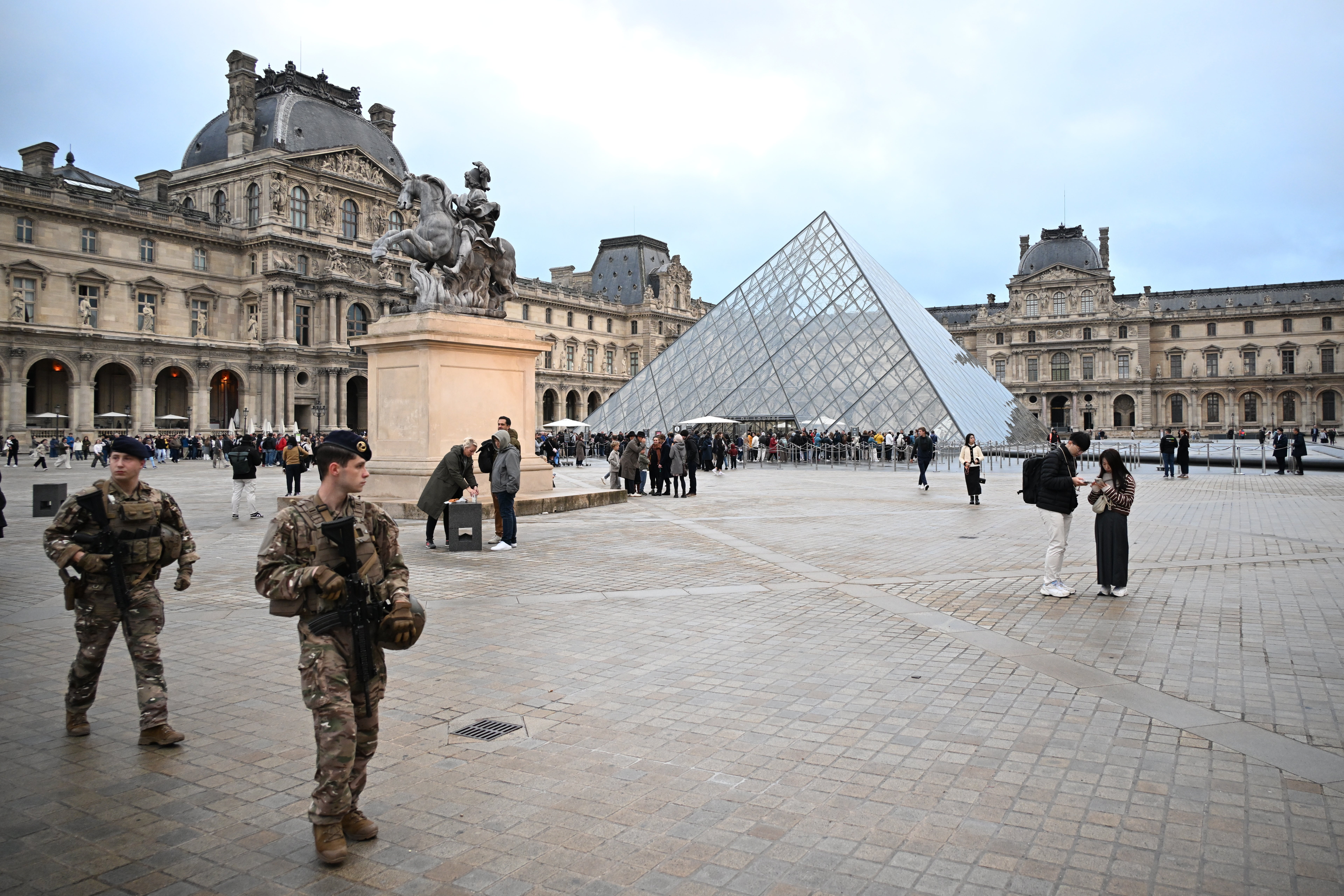
This morning I sat down with a cup of tea, watching the news coverage of the Louvre robbery. Seven minutes, they said. In and out. A truck with a basket lift, an angle grinder, a hammer. No guns. It was broad daylight, in the busiest part of Paris. My phone started going off – a load of texts, one after the other, some funny, some genuinely concerned, all saying the same thing: “Mate, was that you?”
To be clear – no. I did not rob the Louvre. Those days are long behind me. But watching it unfold, I couldn’t help but look at the details, and start to compare and contrast: the angles, the exits, the rhythm of the job. And I couldn’t help but think about the perpetrators now, in these crucial hours afterwards – the worst part. At this very moment, they’ve got away with millions. It’ll be a long time that they’re laying low with their loot.
I know what it takes to do something like that. Weeks of watching. Months of meticulous planning. Perfect timing. In and out in seven minutes. They’ll have their reasons for doing it in daylight – if they’re anything like ours, it made it easier, with the vault being open to the public and the astounding lack of security they employ. The job was well planned, so they won't worry a jot about it being seen, or that mobile phone footage is doing the rounds. Their biggest worry is someone grassing on them.

These things often end the same way. It was mere hours after the job went down that a police gun appeared inches from my face through my open car window, almost exactly 25 years ago. Next thing I knew, I was face down on the tarmac with a rifle in my neck. I’d been part of the now-infamous Millennium Dome raid – a diamond heist that targeted a De Beers exhibition inside the (back then) very new venue. A team of eight of us planned the robbery, which, if we’d pulled it off, would have left us with a haul of priceless blue diamonds and the Millennium Star, a flawless 203.04 carat diamond worth an estimated £200m in 2000, or around £425m today.
I told myself it would be my last job. By then I was 32, but crime was in my genes: I was born into it. Properly into it – not the “bit of trouble at school” sort, but a professional inheritance. My dad had been a career criminal since before I was born; some of my earliest memories are of police raids. His mates down the local pub, in our home county of Kent, were gangsters from London’s East End – and to be honest, they impressed me. They had money, they dressed well – and I wanted in.
Inevitably the jobs got bigger, riskier. They also got more addictive. Crime is a habit. It’s not just the money but the adrenaline, the planning, the secrecy – all the things that the team who stung the Louvre on Sunday will have been feeding on for months. When you’re out of the game, no matter how messed up it left your life, you miss it like a sport.
Still, I had my rules. I’d never done an armed robbery, never been violent. Not until that year.
I had my reservations about the Millennium Dome job. My part was sourcing the JCB, even teaching one of the lads to drive the thing. The plan sounded half-mad: steal the De Beers diamonds from the Dome itself, in broad daylight. I didn’t see how. That is, until I went up there myself, only to find that it looked laughably easy. Security was thin, the vault door was open to the public, and the diamonds were sitting in glass boxes you could shatter with a nail gun. It was a job “on roller skates”, as we used to say.
I wasn’t needed in person. The next morning I was in my car, radio on, waiting for the news to hit. Silence. So I drove to my dad’s farm nearby to clear up a few bits – evidence, mainly.
I turned the corner to the farm to find that the whole place was crawling with armed police. There must have been over a hundred of them. Then it hit me that I wouldn’t be seeing my daughters for a long time. That was heartbreaking. Apart from a couple of times I’d been called in for questioning – though not charged – I’d never been arrested before. It turned out we’d been grassed up. The Metropolitan Police later said that, if it wasn’t for that tip-off, we’d have got away with it.
I was sentenced to nine years for an attempted robbery in Aylesford, and four for my part in the diamond heist. I served half of that time in Belmarsh prison, where my co-defendants and I were “double-A cats” – top risk prisoners – locked in a prison within a prison. It was sort of a grim lads’ reunion. Prison’s just like anything else, really: you either let it break you or you treat it like a long, boring job. I taught myself to read.
When I was finally released, I went straight. But temptation was everywhere. To get out of the mindset – that addictive, literal thrill of the chase – I moved 40 miles away and changed my number. That was the only way I could stay away. I don’t necessarily regret doing the job, though it sent me to prison for all that time. The regret is not spending five Christmases with my kids, missing out on seeing them grow up. I just wouldn’t do it again, despite the few times I might catch myself watching the news, seeing someone pull off the impossible.
The thing is, when the rush fades, there’s a chance you might be left with the same thing many are: a cell, silence, missing years of your life. I know how that story ends – and all too often, it’s not with diamonds and glory. That’s the fear that’ll be gripping the Louvre gang right about now. Every job feels like the last big one, until it actually is.
Join our commenting forum
Join thought-provoking conversations, follow other Independent readers and see their replies
Comments
Bookmark popover
Removed from bookmarks