There will be no return to normality after coronavirus if we prioritise economic security over the most vulnerable
This is a moral as well as a financial issue. Private foundations have the freedom to act in ways that neither governments nor international institutions can achieve, writes Hamish McRae

This is a strange Easter indeed. For Christians, this is usually the most joyful festival of the calendar, and for most people in the northern hemisphere, it is spring, the moment when life bursts out again.
And this year? Well, it is possible to pick some markers that suggest that a turning point in the fight against the virus is in sight. The number of new cases in both Spain and Germany seem to be in decline. Denmark will reopen its schools for younger children on Wednesday. Plans for widespread antibody testing, which could create a path for people to get back to work, are advancing in many countries, including the UK. But while the focus is rightly on ways in which we can return to some sort of normality – we need to get our economies going again to fund, among many other things, better health care – we need to recognise that the pandemic has devastated the weak at every level. And we need to think about what we do about that.
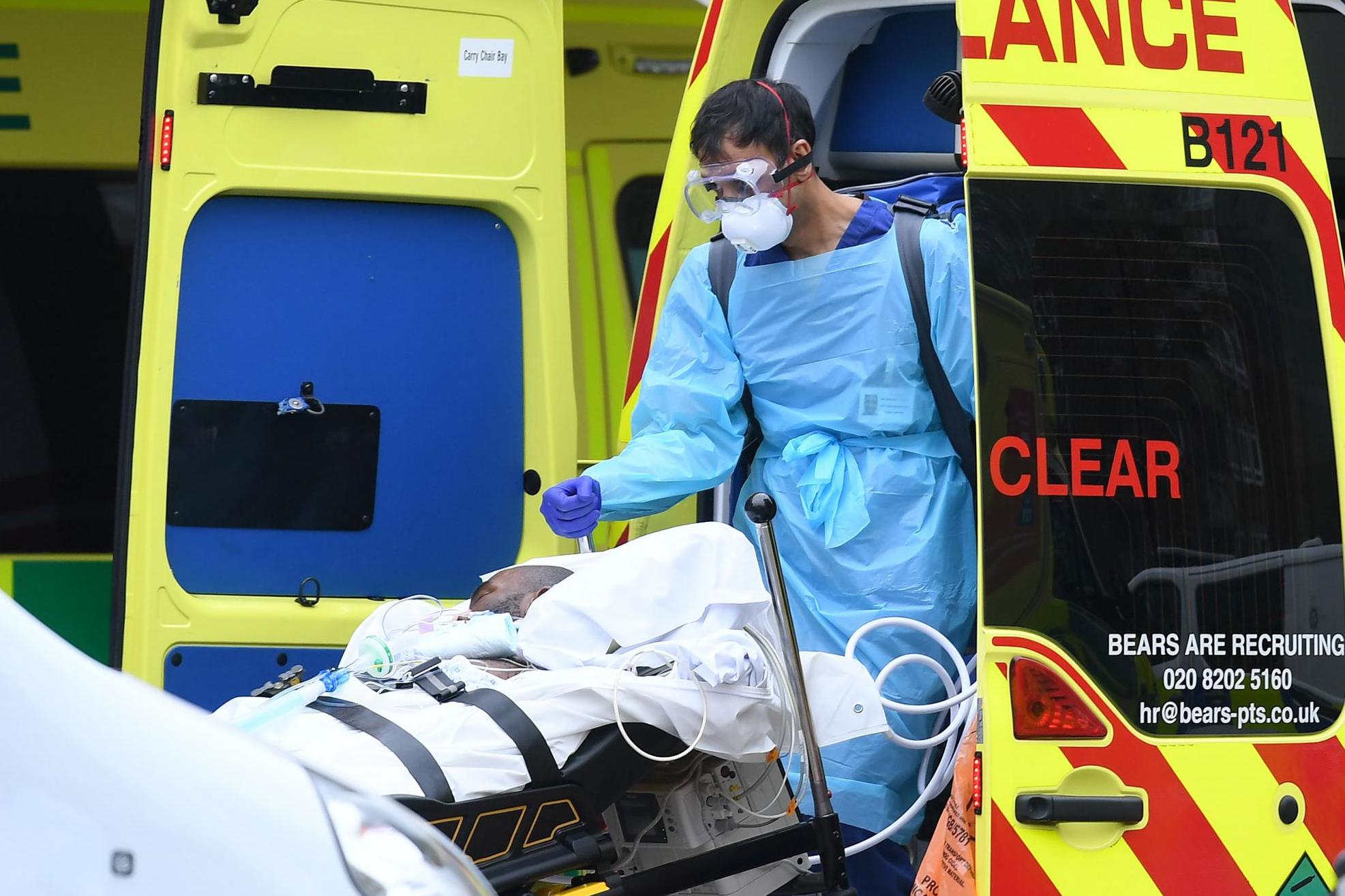
This uneven impact is evident. Higher income groups find it easier to work from home. Ethnic minorities are particularly hard hit by the virus, accounting for a disproportionate number of cases. In the UK, about one-third of hospital admissions are black, Asian or of other ethnic minority, against 14 per cent in the most recent census in 2011. In the US, 33 per cent of people hospitalised are African-American, against 13 per cent of the population. A similar pattern has emerged in Sweden where many of the cases are in Stockholm’s poorer northern suburbs, which have high immigrant populations.
We also know that as far as the job market is concerned (though not, of course, in terms of vulnerability to the virus) the young are hardest hit. Women, who troublingly tend to be in lower-paid and less-secure jobs than men, are also disproportionately damaged.
If the unfairness of the way the virus has hit the developed world is deeply troubling, so too is the way it seems to be hitting the emerging world. This week, the International Monetary Fund and World Bank hold their usual spring meetings, this time virtually rather than at their headquarters in Washington DC. The managing director of the IMF, Kristalina Georgieva, put this point directly: “Just as the health crisis hits vulnerable people hardest, the economic crisis is expected to hit vulnerable countries hardest.”
The IMF has set out a four-point plan including, along with the World Bank, a standstill on debt service payments for the poorest countries. We will have to see what in practice comes out of all this, but meanwhile, note the point she makes that this is not just a financial or economic issue. It is a moral one.
“It is this common threat that brings us all together, to harness the greatest strengths of our humanity – solidarity, courage, creativity, and compassion. We don’t know yet how our economies and way of life will change, but we do know we will come out of this crisis more resilient,” she says.
The message that this is a test of our humanity is already evident in another way: the role that philanthropy is playing in combating the virus. For example, the Wellcome Trust, the world’s fourth largest charitable foundation, is leading the drive to get the world’s businesses to donate $8bn (£6.4bn) to cover the global funding gap on testing and research for a vaccine. The Bill and Melinda Gates Foundation, the largest in the world, is funding testing of seven possible vaccines.
It is easy to criticise billionaires, and if you look at the numbers, the resources of even huge foundations such as these are small when set against the resources of national governments. But what is clear is that private foundations have both the freedom to act and to criticise that neither governments nor international institutions can achieve.
We are still in the middle of this and will be for weeks to come. But I don’t think it is unreasonable to hope that the lessons the world learns from its efforts to combat this threat to humankind will help us also cope with other threats in the future.
Join our commenting forum
Join thought-provoking conversations, follow other Independent readers and see their replies
Comments
Bookmark popover
Removed from bookmarks