Why the inventor of fantasy football refuses to play FPL
The game has mutated into something more complicated, bigger and far stranger than its creator could ever have imagined when he created it over 30 years ago. That’s the problem, Andrew Wainstein tells Rich Booth
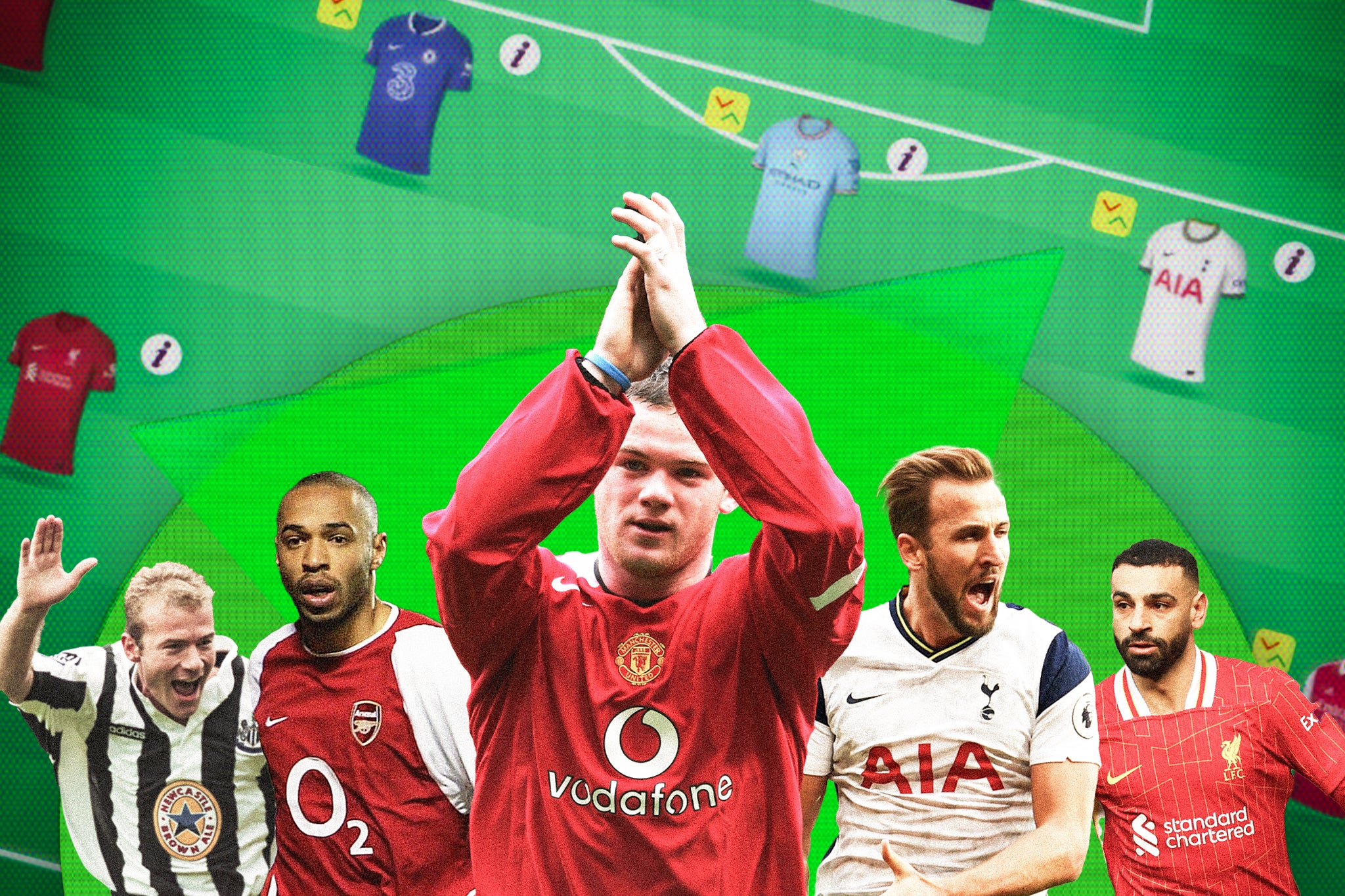
The year was 1991, Simply Red were top of the charts, John Major had replaced Margaret Thatcher as PM, and Brian McClair was the fourth top scorer in the Football League First Division. All of this would perhaps seem irrelevant, but not to a young Andrew Wainstein.
The entrepreneur and Arsenal fan is credited as creating what we now know as fantasy football – a game played by over 12 million globally. And yet Andrew, now 59, isn’t one of them.
The idea for the game first came to him at exactly the right time, he says, after a family friend gave him a copy of an American fantasy baseball report. “I’d just left my job in the City and I knew I wanted to do something more interesting than working in the IT department of a bank, which is about as depressing as it can get,” he recalls.
Looking at the baseball stats, Andrew sensed the makings of something. “If I could get the points scoring right, there was something there – something to replicate with football.” From his mother’s house, he devised a system: goals, assists, clean sheets. Fantasy football was born, albeit in its original “auction” format.
Fast-forward three decades, and on an opening day that saw millions of fans, Liverpool or not, celebrate a 95th-minute Mo Salah goal, the game has mutated into something more complicated, bigger and far stranger than its creator could ever have imagined.

For those confused by the idea of fantasy football, let alone bench boost or assist points, it is a game where players manage a virtual Premier League team. In the best-known form, you get a budget to pick a squad, and each game week, you select 11 starters and a captain. Players earn points for goals, assists, clean sheets, saves and more, but lose points for goals conceded, bookings, or own goals. Transfers allow squad changes and special chips provide strategic advantages. The highest total points wins.
Sound complicated? It is. Despite this, it has become a true global obsession. Content creators fill YouTube channels and social media feeds with advice on who to captain, algorithms crunch data on expected goals, and even professional footballers track their own scores and complain about their price.
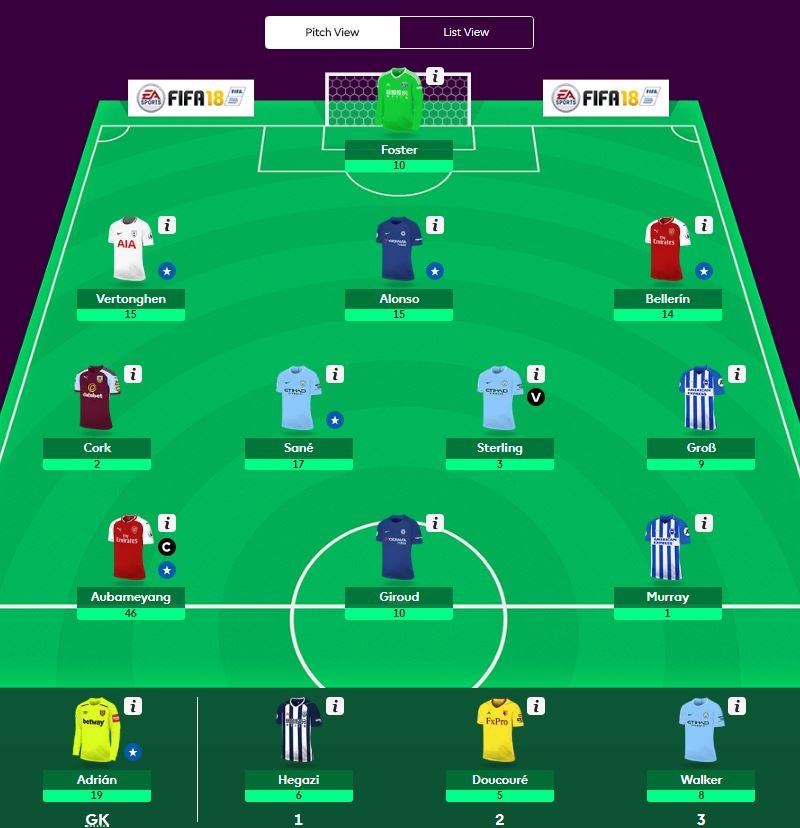
And yet, Andrew – the man who first brought the concept across the Atlantic – refuses to take part in this version.
“Why would I play it?” he tells me a day after the opening weekend of the new season, a weekend where instead of tinkering with his team, he was enjoying a festival in Wales. He adds facetiously: “For me, it’s like poker and snap – they’re both card games, but a poker player isn’t going to waste their time with snap.”
Andrew is a purist of the original game he invented and still plays Fantasy League – a version closer to the early days of the game. When he talks about the current game, it would be easy for him to sound bitter, but in fact he comes across more as self-aware and passionate about his original invention.
From back pages to Blair
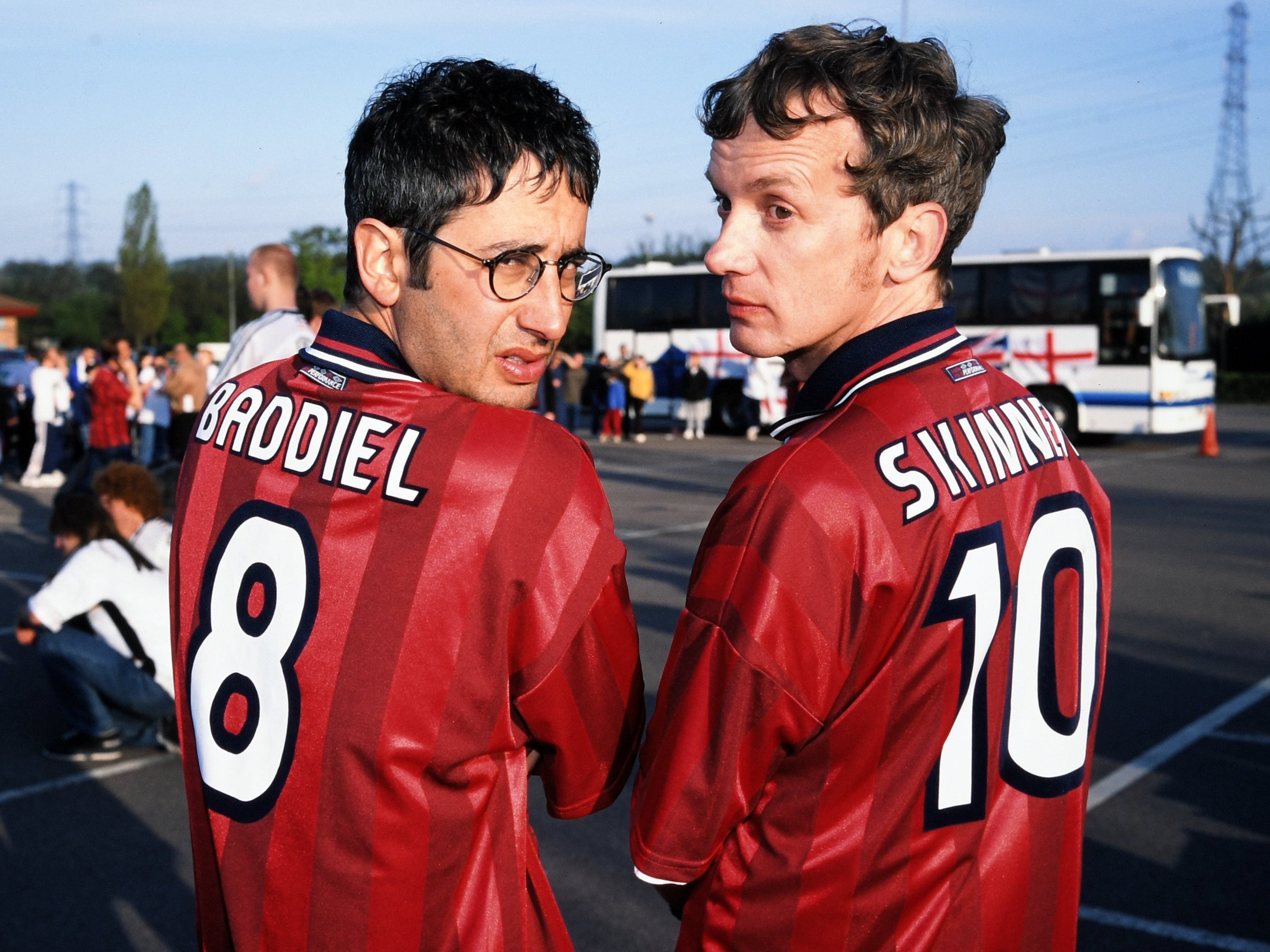
In its infancy, fantasy football was cobbled together with postage and paper. Teams were sent to Andrew’s address and word spread in pubs and on the back pages of football magazines. Then came the breakthrough: a tie-up with the Daily Telegraph for the 1994-95 season, and a spot on the Fantasy Football League TV show with David Baddiel and Frank Skinner.
Under The Telegraph, the game exploded. Within weeks of launching, it became one of the biggest newspaper promotions in history, with 350,000 people playing out of a rough circulation of 900,000. The first Telegraph winner was not a hardened statistician you would find in today’s FPL game, but a 12-year-old boy. He would go on to tell the paper that bringing in Norwich defender John Polston was key to his success.
Andrew struck deals with newspapers across Europe and South America. In Argentina, he says, a player’s fantasy valuation was once used in contract negotiations. Variations were created for fantasy cricket, golf, Formula One, tennis and “anything that moved, really”.
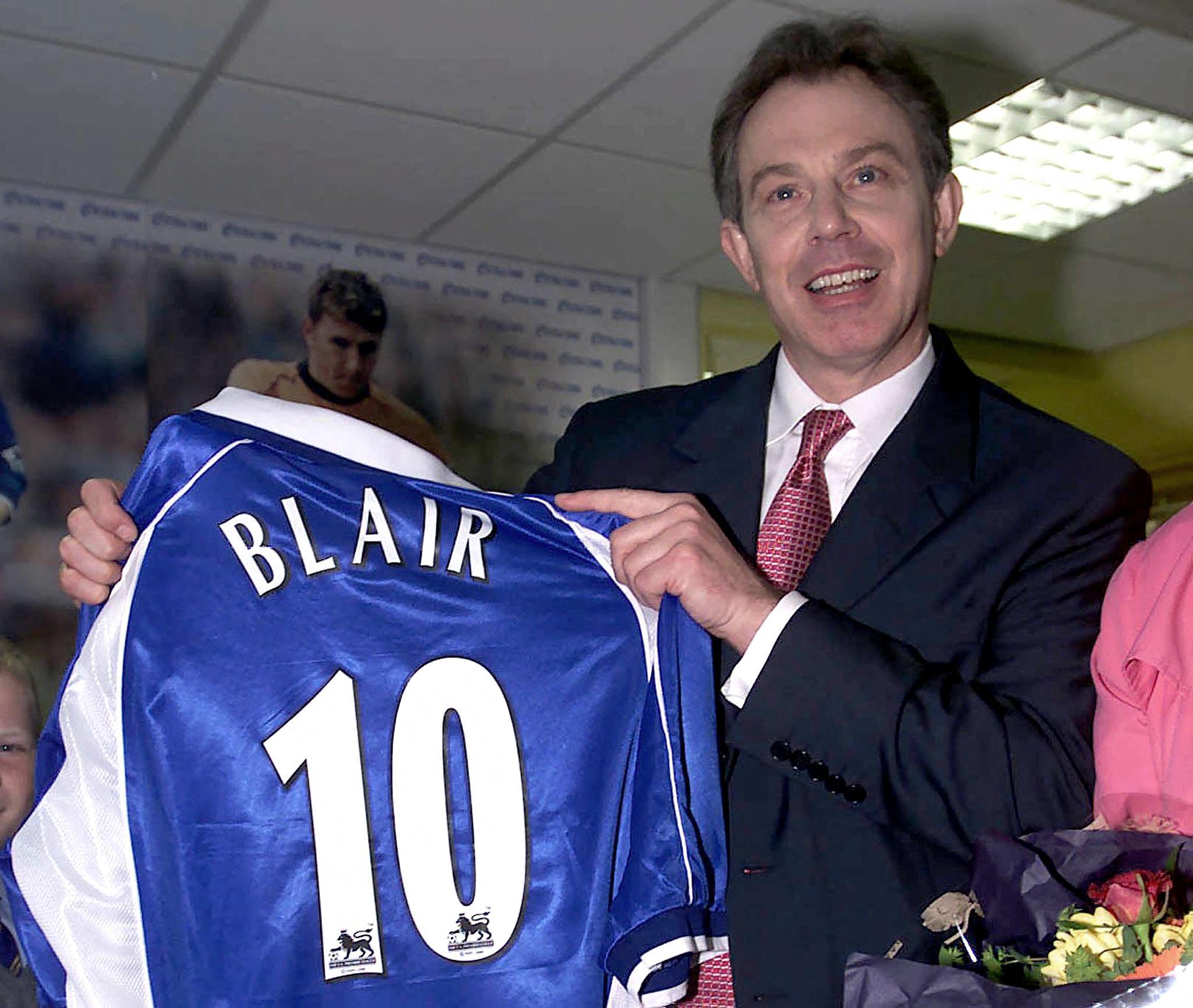
By the late Nineties, fantasy football was in schools. A nationwide league signed up 24,000 pupils in its first season; within a year, that figure had tripled. Tony Blair even lent his backing, declaring: “The football may be a fantasy, but the maths is for real.” Andrew still calls it his proudest achievement.
Elsewhere, newspapers were experimenting with cash prizes and online platforms. The Sun’s Dream Team dangled £100,000 in winnings; The Times offered a Maserati. The boom years were chaotic, and Andrew described his work with the game as more of an “enthusiast than entrepreneur”.
It all changed when it went online in 1996. With no copyright on the actual game, new versions popped up in every corner of the internet. As Andrew explains: “The idea obviously came from the States, so I’m not sitting here saying I invented anything. I did a good job of adapting it to English football. But the concept of you pick some players and you get some points for things that they do, you can’t protect that.”
After a few years of the BBC running the largest online game, the Premier League moved in and created the game you will see today over the shoulders of players on trains, buses and desks across the world.
Andrew still runs Fantasy League and admits it may not come as a surprise to hear he doesn’t play any of his competitors’ games. But he says he truly sees most of what people play today as flawed, and seems genuinely confused by the popularity of it: “The reason it’s so complicated now is because it’s flawed. So you have to fix the flaws by complicating the game. If you have 12 million people playing, you’re going to have a lot of people with the same team. It is like playing Monopoly where you can all buy Regent Street.”
To him, the modern incarnation of fantasy football is like a restaurant that lost its charm after franchising; a band that sold out for the masses. What was once about camaraderie and debates has been flattened into compulsory admin: a weekly spreadsheet task millions feel obliged to complete before each gameweek’s deadline.
The Croatian student who beat the world
If Andrew feels detached from the empire he created, there are millions who are still fully immersed in it. Last season’s global FPL champion was Lovro Budison, a 23-year-old student from Croatia.
He tells me he stumbled into the game almost casually.
“I started playing out of curiosity,” he says. “I heard from a friend that there’s an app where you pick players and get points based on their real-life performances. It sounded interesting, so I decided to give it a try. Since I already watch most of the matches, it wasn’t too difficult to also follow the fantasy aspect of the players.”

What began as curiosity became competitive instinct. “The Premier League is the most high-profile and most competitive league, which is why so many people follow it,” Lovro explains. “We all have an inborn desire to compete, that adrenaline rush we feel when we’re fighting for something. And that’s probably enough to draw you into playing fantasy.”
How to win fantasy football
Unlike the stereotype of the sleepless FPL obsessive, Lovro insists he didn’t overdo it.
Lovro’s real advantage, he believes, came from simply watching football: “It’s the best way to spot a player before they become a popular pick,” he explains. “And sometimes you need to make bold decisions and take risks, even if most people won’t agree with them.”
Winning, though, has changed his life in unexpected ways. “I never imagined I’d be able to follow the Premier League and also benefit financially from it,” he says. “That’s the dream of every sports enthusiast.”

Where the new generation of fantasy football players build entire lifestyles around it – YouTube studios, TikTok tips, podcasts on chip strategies – Andrew still had pride in being what has been a huge part of the footballing story, past, present and future.
This pride surfaces when he talks about the friendships his early leagues forged. “That’s what lasts,” he says. “That’s what matters.”
Despite fatigue (“You can’t expect to be full tilt with something you invented for 35 years”), he says he still gets a buzz from hearing fans around him talk about the game he invented.
“I’ll go to Arsenal and there’s people behind me often talking about their teams or looking at the half-time scores and they say, ‘Oh, good, I’ve got him’. And, you know, it does give me pride. There’s a double edge. Yes, they’re playing this game that I don’t really rate, but I definitely feel pride in my invention.”
Fantasy football today is many things: a serious pastime, a lucrative industry, a way of binding together the millions who tune in to the Premier League each week. To some, it’s a way of keeping in contact with friends; to others, it’s a needless drain on their weekends. For Andrew, it’s a legacy. Even if he’s not playing.
Join our commenting forum
Join thought-provoking conversations, follow other Independent readers and see their replies
Comments
Bookmark popover
Removed from bookmarks