I’m a dietitian – this is what you need to know about weight loss drugs this January
A quarter of the adult population has been prescribed weight loss drugs in the last 12 months and more people will be adding Mounjaro to their new year resolutions. If you are one of them, Zoe Griffiths, a registered dietitian, says this is what you need to think about
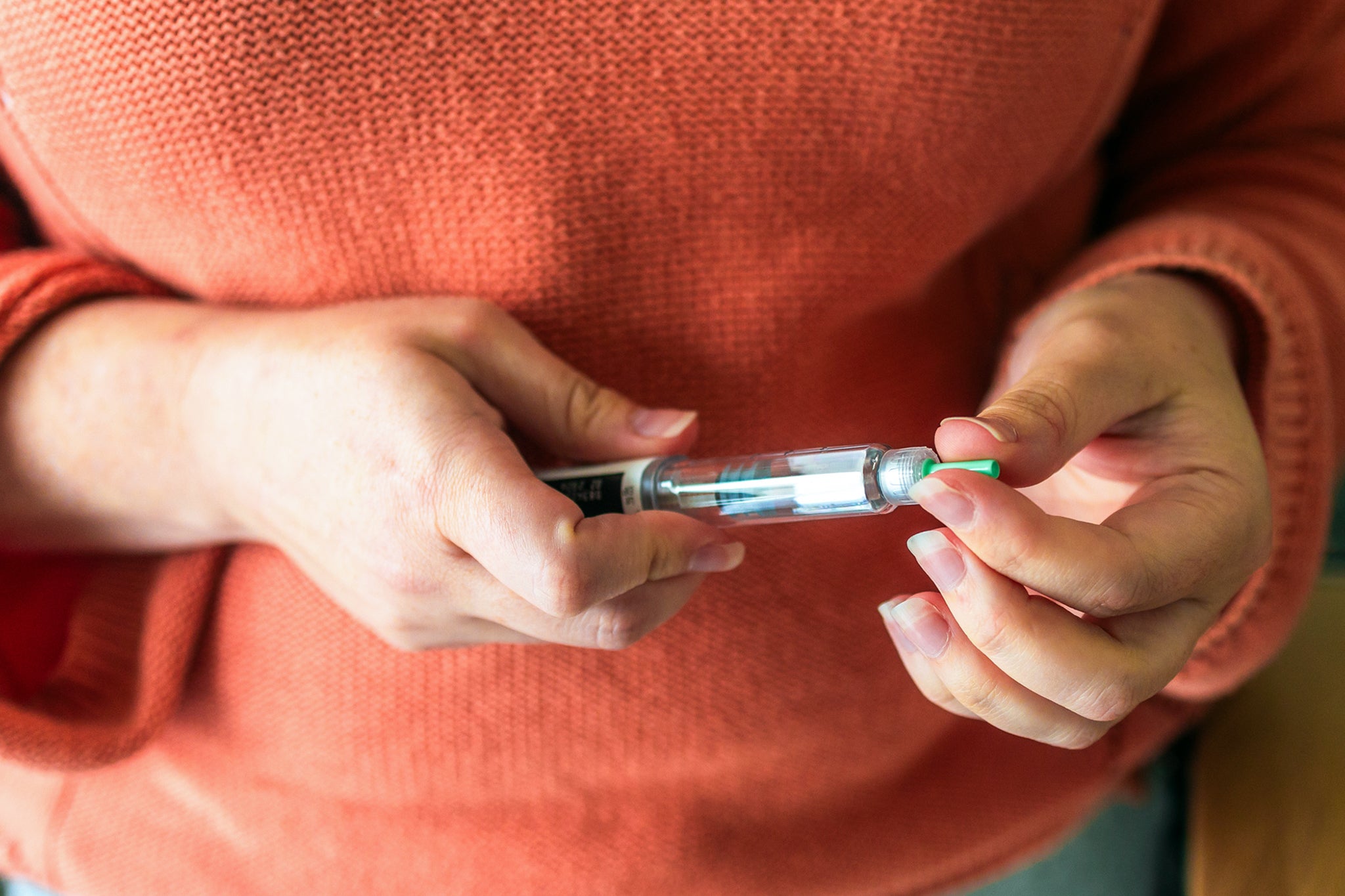
Most of us eat about 6,000 calories on Christmas day alone
Add to that all the parties and lunches that are entailed – it is normal to gain weight over the festive period. But what is also normal is not to lose it. In fact, most people gain around two pounds a year.
We live in an ‘obesogenic’ environment
Food is everywhere and we don’t have to move a muscle if we don’t need to. That creates a situation where gaining weight is easy and losing weight is hard. So unless we intentionally engineer our environment as much as possible, it’s highly likely that people will gain weight over time.



Some people see weight loss drugs as a ‘quick fix’, but its a serious medical treatment for a medical condition
Anyone who is considering taking it for a month or two to lose the festive pounds should know that this is not what these drugs are designed for: they are designed for long-term treatment of the medical condition of obesity.
Not everyone can get hold of the drug
You may be able to obtain these weight loss drugs on the black market, but if you don’t meet certain criteria then you won’t be eligible through regulated channels, because most places have really strict eligibility criteria and protocols: you qualify if you have a BMI of 24.5 (for those of Asian origin), or 27 (if you’re from a Caucasian background), and have a weight-related health condition such as diabetes, high blood pressure or high cholesterol.
There are around 250 conditions that are impacted by weight
Some people do not think they are living with obesity, but if you have a BMI of 27 and, for example, high cholesterol, then you are eligible. But there are checks in place to make sure that people are who they say they are, and to prevent people who are not eligible for the medication from getting it. This includes video consultations, cross-checks with NHS records, and live full-body photo uploads that can’t be intercepted by AI.
This is a prescription-only medication because of safety
It’s not safe for people with gallstones, a history of pancreatitis or thyroid cancer, or who are pregnant or trying to conceive. That’s why it needs to be prescribed by a clinician and you need to be monitored and supported because there are side effects and, while most are transient, some can be more serious.
The causes of obesity are complex, and different for everyone
But science shows that it is a polygenic disease: people living with obesity have a dysregulation in their appetite and body weight control system that is controlled by multiple genes, which impact everything from fullness signals, to where the body stores fat and what someone’s body shape is, as well as their stress response in relation to food. But one phrase that sticks in my mind is that overeating does not cause obesity but obesity causes overeating. The reason weight loss drugs are so effective in reducing appetite and increasing fullness is because obesity is not a choice - it is often rooted in biology. Medications that counteract the biology make it easier for people to lose weight.
Mindset is key
Addressing perceptions and beliefs is important. Many people still believe that using medication for weight loss is cheating and a last resort because of the stigma and bias around obesity. That is far from true. Obesity is not a choice and it’s not down to a lack of willpower: it is a medical condition with a strong biological basis and using the most modern medical support is not cheating.
Be safe
Find a regulated provider who is registered with the Care Quality Commission – the independent health and social care regulatory board – which means they are following certain standards. You need a properly trained clinician and a legitimate pharmacy registered with the General Pharmacy Council. Buying medication off the black market is potentially dangerous – you don’t know what is in it.
Be realistic
Do not see this as a quick fix. To change your weight and health in the most sustainable way, it’s better to see medication as a tool to optimise your health as part of a holistic project rather than a silver bullet solution. If you don’t look at nutrition, activity, and sleep as well as weight loss then you may not be losing weight in the healthiest way: you might lose too much lean body mass, or create nutrient deficiencies. But – and this is usually the most important thing to people – you won’t maximise the weight loss and it won’t be sustainable unless you do the other things too.
When you lose weight you lose it from everywhere, which includes fat and lean body mass
This includes everything in our body that isn’t fat, so muscles, organs and bones. And if you are not doing certain things, you run the risk of losing too much lean mass. This is bad because it can leave you more frail and at risk of osteoporosis; it impacts heart health and your ability to exercise. It also affects the weight loss process itself: the less lean mass you have, the fewer calories you burn, and it also impacts your appetite: you naturally want to eat more.
The aim is to lose the fat mass – or excess adiposity – which is what leads to ill health
The consensus from experts I have worked with around the world is that anything from 25–35 per cent of total weight loss coming from lean mass is probably OK; anything more is not. You can use a “bio-impedence analysis” – or BIA – machine to measure body composition. They are not 100 per cent accurate, but they are a helpful guide: if someone is losing weight and decreasing their percentage of fat mass then that is probably a good thing. If you don’t have a BIA machine at home, you can see if your GP or local pharmacy has one.
Measuring weight alone on a weight loss journey isn’t the most helpful thing to do
Weight fluctuates and is highly influenced by hydration and, for women, hormones. I always suggest people find other progress measures like how they feel, how clothes fit, energy levels and protein intake.
To preserve lean body mass, tune into your protein intake, and build strength training into your routine
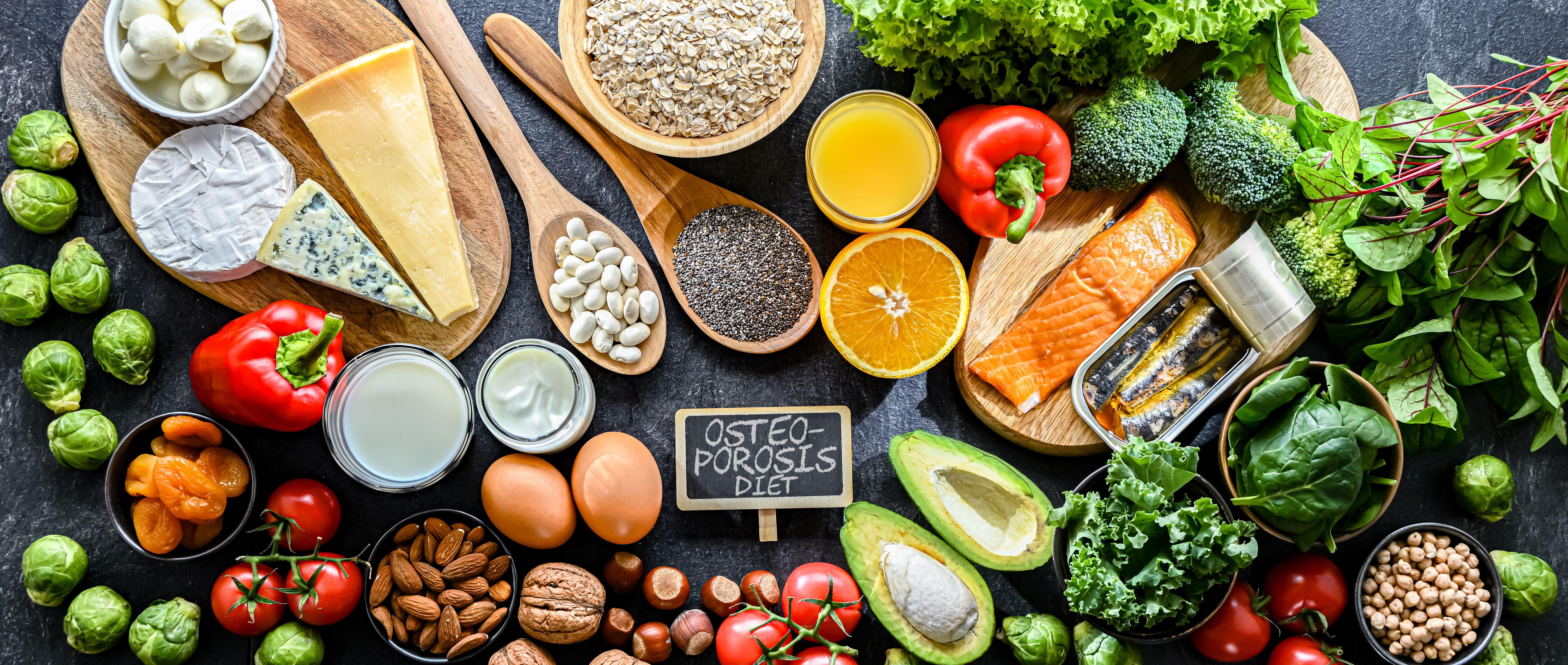
People who are losing significant amounts of weight need to eat more protein than the recommended daily amount (RDA), which is 0.8g of protein per kilo of bodyweight. As a ballpark figure, I would recommend instead that people aim for 1.1–1.5g of protein per kilo which is no less than 60g, but up to 120g a day of protein. To put that into real terms: 80g of protein over a day would be two eggs, a portion of salmon, 250g of yoghurt, and a chicken breast.
Strength training does not mean you have to go to the gym
It could be anything that puts tension and pressure on muscles, so banded work, or bodyweight squats and lunges. The advice is to do that two to three times a week in addition to aerobic exercise.
Any prescription medication comes with possible side effects
The most common with weight loss drugs are gastro-intestinal related because they slow digestion – so diarrhoea, belching, abdominal discomfort and wind. For most people, the effects are transient and don’t last long, but that is why you start with a lower dose to get the body used to it.
Hair loss is a thing
It is usually during the rapid stages of weight loss and it is usually temporary. But there are measures you can take to mitigate it: a well-balanced diet; hitting your protein goals and consuming enough nutrients for hair health; so selenium, zinc and iron. I recommend a multi-vitamin and mineral supplement to make sure everything is covered during weight loss.
As told to Victoria Young. Zoe Griffiths is VP of behavioural medicine at digital health company Numan
Join our commenting forum
Join thought-provoking conversations, follow other Independent readers and see their replies
Comments
Bookmark popover
Removed from bookmarks