I was 37 when I was diagnosed with double lung cancer – and no, I have never smoked
Many assume that it’s a disease that affects old men, but lung cancer kills more women than breast cancer and its rates are rising – particularly in younger generations. Jules Fielder, who has inoperable stage 4 cancer, explains how you live your life when you are told you only have nine months left and why there’s never been a greater need for awareness
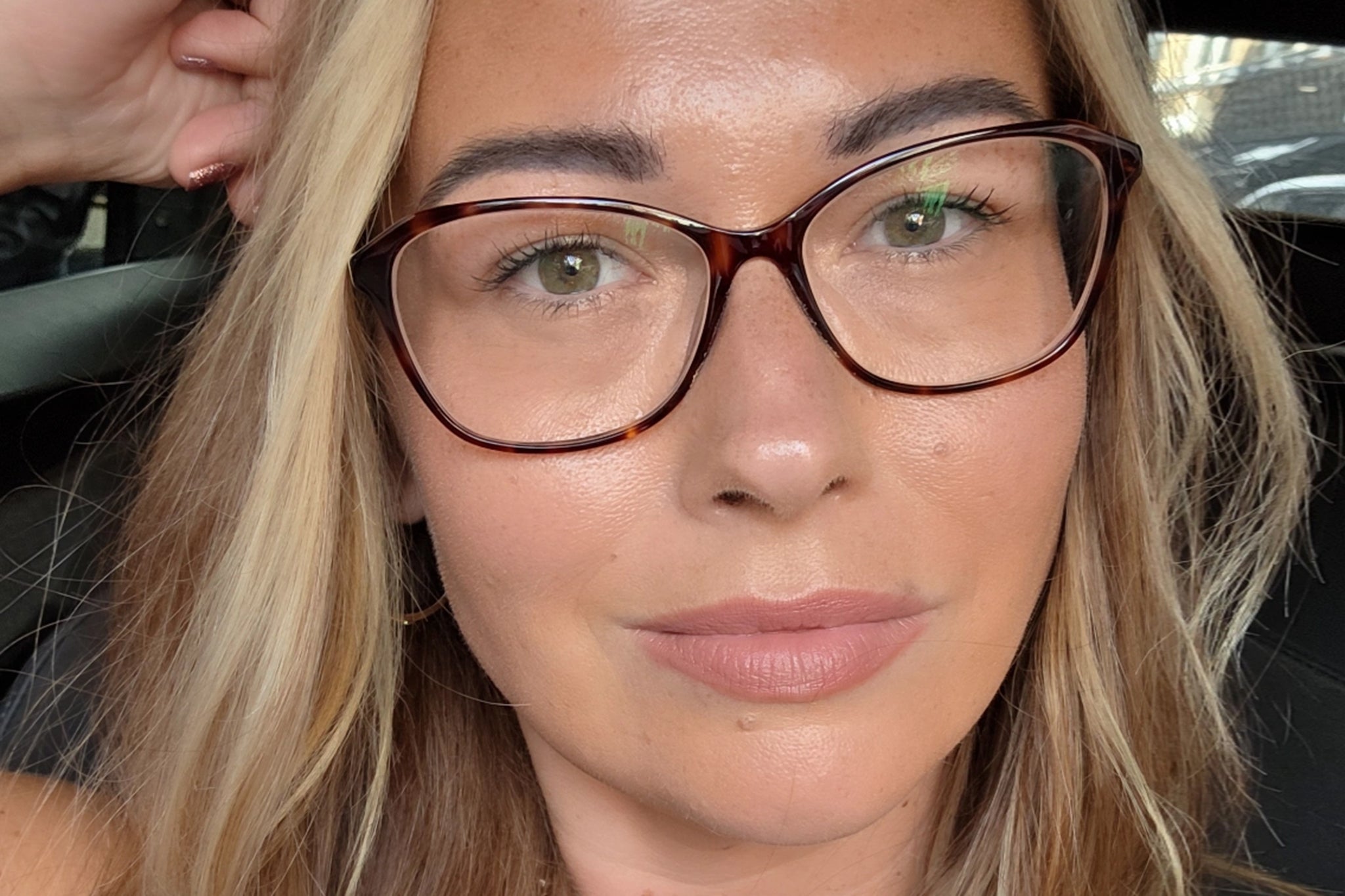
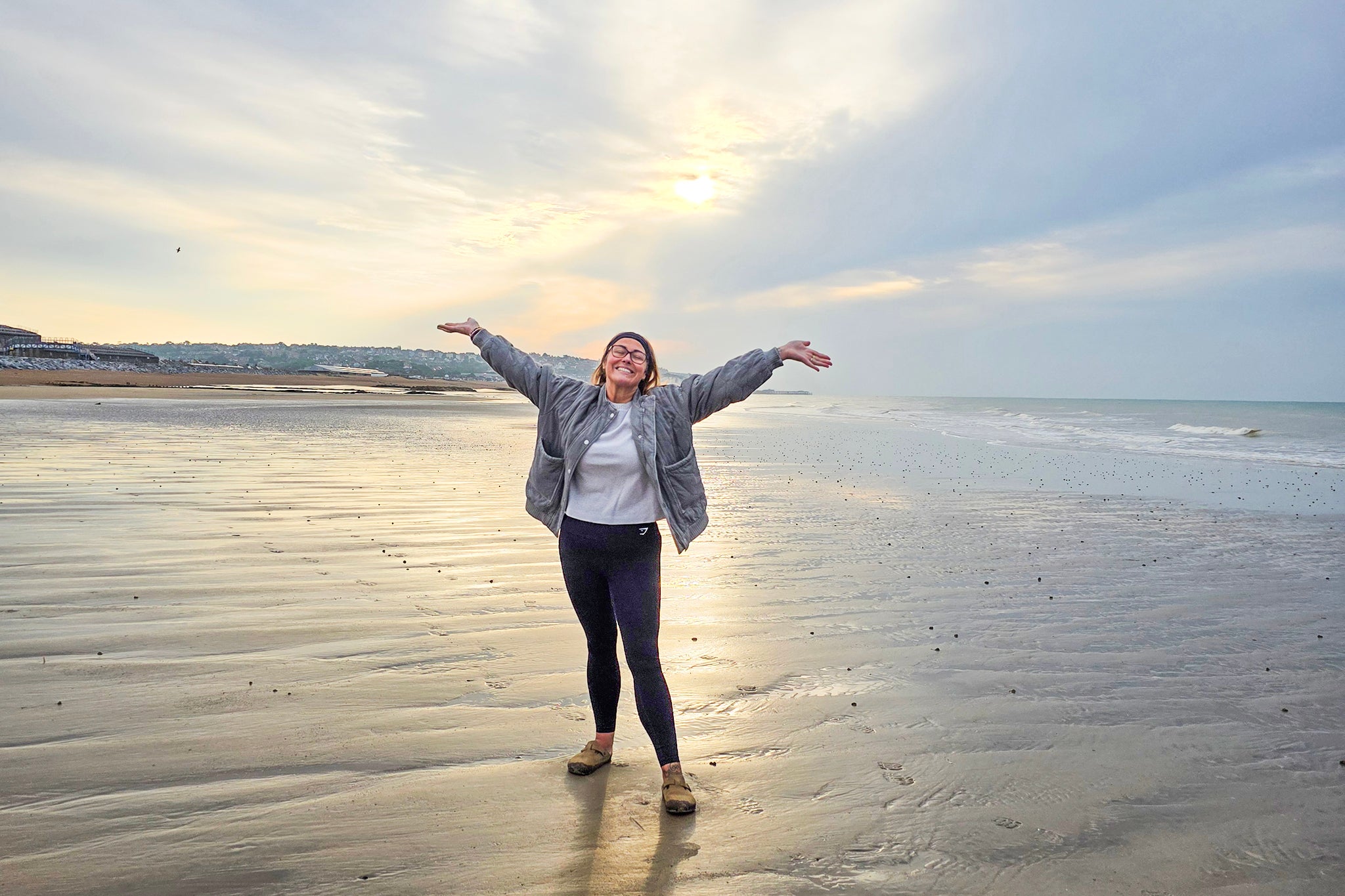
The contrast between day and night becomes ever starker when you know you are dying. Since being diagnosed four years ago, I’ve tried to pack as much living as possible into all my waking hours. In the past few months, I’ve flown to Japan the day after completing a course of gruelling radiotherapy for the holiday of a lifetime with my husband Paul and 16-year-old son Toby, celebrated my son’s GCSE results and visited the Harrods Christmas shop when it opened a couple of weeks ago because I’ve always believed you can never plan early enough.
But then there are the nights. And they’ve certainly gotten harder since I was told earlier this month that my cancer has transitioned to a more aggressive type and given six to nine months to live. Increasingly now, I am afraid to go to sleep in case I don’t wake up and when I do finally drop off, I’m woken by panic attacks, my mind racing and sweat drenching my body.
It’s as if the doubts and fears I’ve outrun during the day clamour to be heard, and during those restless hours, I am marooned in fear about leaving the people I love.
Most of all, Paul and Toby. Seeing life slip through my fingers as I grieve the knowledge that I will miss so many milestones in my son’s life, as well as the day-to-day privilege of watching him become a man, is almost unbearable at times.
But the strangest thing? You’d probably think I look “well” if you passed me on the street. My hair is thick and shiny, my skin clear, and I’m as interested in fashion as I’ve ever been.


So even though I’m dying on the inside, I look so alive on the outside that I don’t fit the stereotype of a cancer patient. In the past year alone, I’ve had radiotherapy for brain and spinal secondaries, but I have no scars and am not underweight. It’s time we changed many of the misconceptions about what terminal cancer looks like.
So many people, for instance, still think chemotherapy is about having a bag dripped into your arm on a hospital ward and losing your hair. But treatments today are ever more sophisticated, and after being diagnosed at the age of 37, with cancer in both my lungs in November 2021, I was given a tablet form of chemo that meant my hair was unaffected. A few weeks later, I was told on Christmas Eve that the disease had metastasised into my bones and started radiotherapy, but was able to hide its many side effects in the privacy of my home.
What people don’t see are the 17 medications I take each morning to get up and about, the pain in my hips, which means I can no longer stand in a long queue, the mouth ulcers, body rashes and cracked skin I hide beneath clothes.
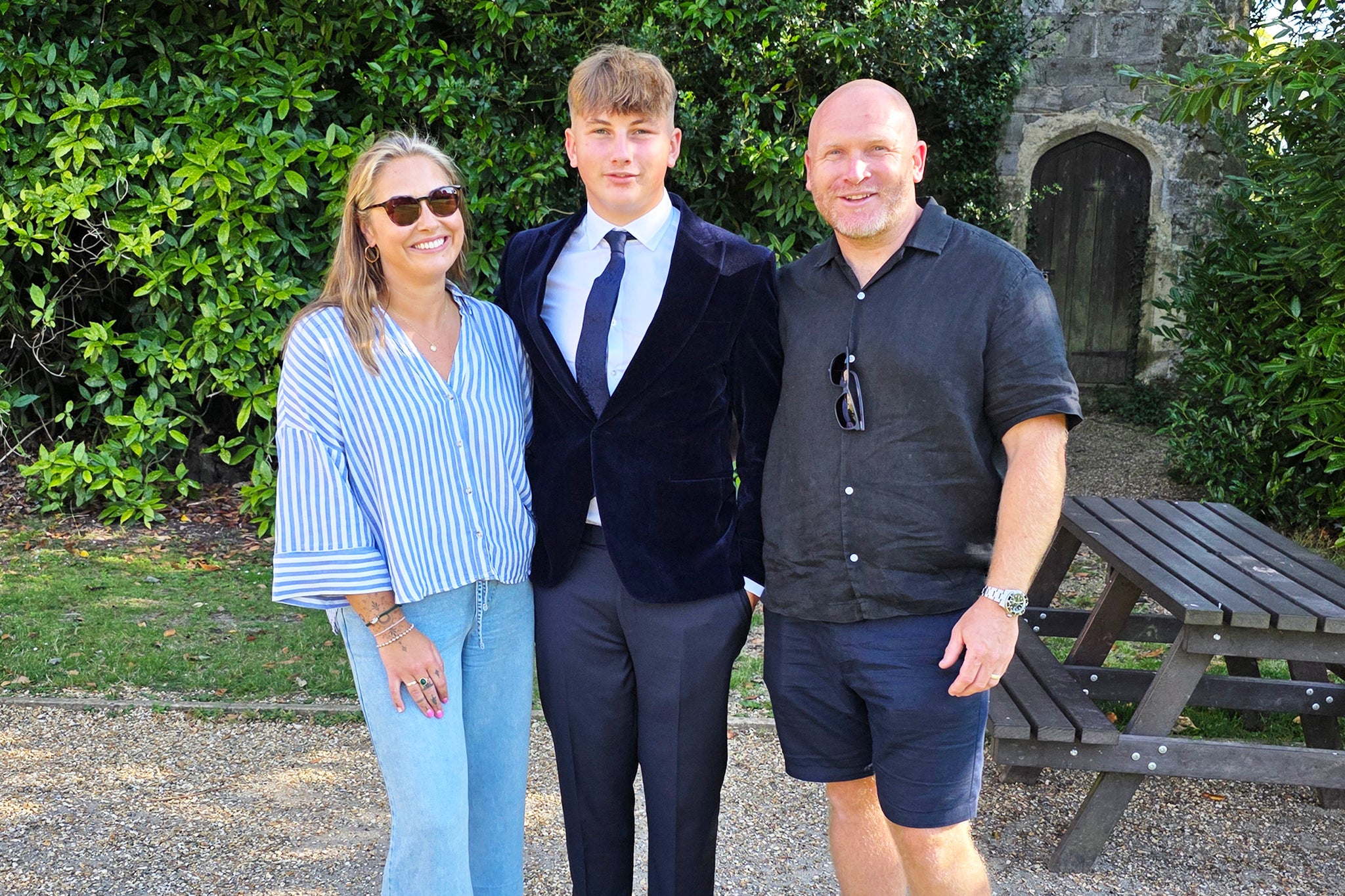
Most of all, the exhausting fear and constant internal emotional calculations I am making. Is the quantity of my life more important than the quality? How do I manage the frustration of knowing there are drugs out there that might help me, but can’t be prescribed on the NHS because they’re too expensive? Could I find a drug trial that will accept me and perhaps offer some tiny hope?
The other misconception specific to lung cancer is that you must have been a smoker. It’s the first question anyone asks me, and the answer is no, I have never smoked. My cancer was caused by the EGFR mutation, and more and more non-smokers like me are being diagnosed.
And where lung cancer was once a disease that affected more men than women, that’s all changing too. The number of men diagnosed with lung cancer has fallen by 34 per cent since the mid-1990s – but risen by 36 per cent in women during the same period. The numbers are almost equal today. Part of that is down to more women smoking, but there are also a host of other factors at play, such as environmental carcinogens. Researchers are also looking at reproductive and hormonal factors.
But despite all this, lung cancer in women remains stubbornly invisible.
When I went to meet MPs at the Houses of Parliament last year to talk about the vital need to improve cancer care, one wished me luck with my “breast cancer journey”. I think he just assumed that’s what I had because I’m a woman. But there’s also a visibility barrier because lung cancer is still somehow unpalatable due to the lingering belief that it’s “deserved”. I understand lifestyle choices can have an impact – but no one deserves this disease. I’ve met girls of just 18 living with lung cancer and it’s heartbreaking.
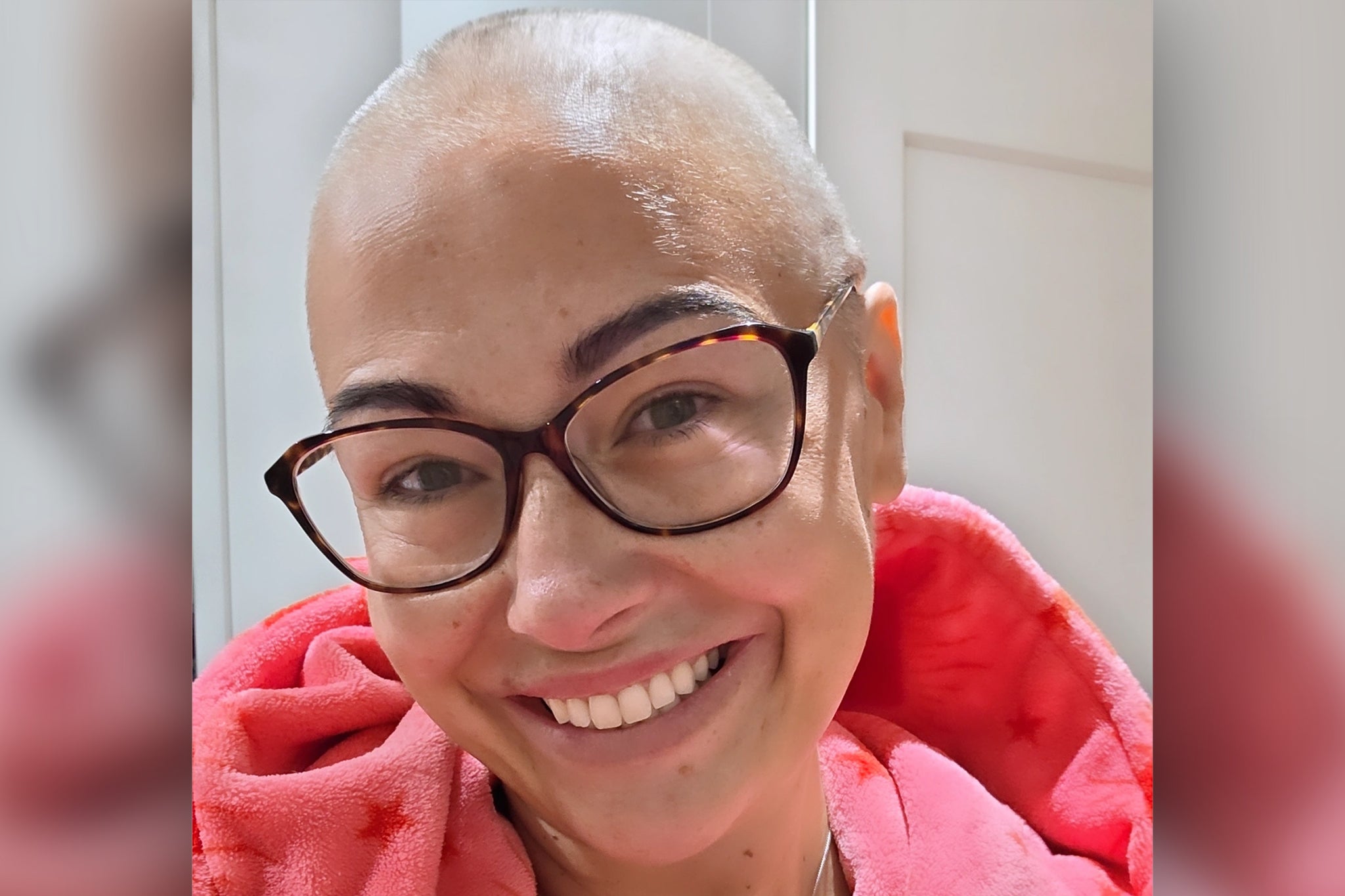
Put it all together and terminal illness can be incredibly lonely at times, however much love I am surrounded by. I recently started a new form of chemo and began to lose my hair for the first time.
So, while I know people are trying to be kind when they reassure me it will grow back, it’s painful to hear because. It’s so much more than “just hair”, and I don’t know if I’ve got enough time for it to grow back. I simply navigate it day to day in the way I think a lot of people in similar situations do: my rational self knows the truth, but it’s also so emotionally overwhelming that I can’t fully accept it.
For now, I’m determined to raise awareness because initial symptoms, particularly in young women, are often overlooked. I didn’t have a constant cough, for instance. I had pain in my shoulder that was put down to tennis elbow and back pain that doctors decided was sciatica. When I then found a lump in my neck, I presumed it would be something to do with my underactive thyroid. Being told I had incurable lung cancer was almost surreal. My breath just left my body as I tried to take it in.
Cancer has invaded my body, and I know I will ultimately not beat it, but I am determined to navigate my condition on my own terms for as long as I can
But the knowledge that the UK’s cancer survival rates are up to 25 years behind countries like Sweden and Norway – because of everything from long waiting times to a lower use of radiotherapy and chemotherapy – is almost crippling. I just can’t understand why we’re not talking about it more.
One in two of us will get cancer in our lifetime, so surely this must be a priority for us all? Plus, there is a huge disparity in outcomes for different types of cancer.
While the 10-year survival rates for breast, melanoma and colon have increased significantly in recent years, those for lung, pancreatic and oesophageal cancer have remained stubbornly low because of both research underfunding in the past and also late detection because these cancers are often difficult to find. There are no pain receptors in the lungs, which is why people don’t have pain when tumours develop.
But it’s also about public awareness – and appetite – for talking about all forms of cancer.
In a few weeks, the shops will be filled with pink ribbons to mark Breast Cancer Awareness Month, and events will be held up and down the country to fundraise. Don’t get me wrong. It’s a wonderful initiative. But I have to admit that it’s a painful time of year when I know the cancer I have, the one that kills more women than any other form of the disease, is so rarely talked about.
For now, I try to remain as positive as I can about the future, take each day as it comes and check off what might once have seemed mundane events as wins. Toby has just started at a rugby academy because he’s hoping to turn professional and I will cherish seeing him start the next chapter of his life. I’ve always been honest with him about my illness because I never wanted it to be a taboo, but in quieter moments, thinking about the impact of my illness on him is the one thing that can almost drown me.
I decided at the very start to show Toby that we can still truly live even when we’re facing huge challenges, and my most important job now is to build resilience in him because I want him to know that life can – and will – continue for him and his dad without me.
Because cancer has invaded my body, and I know I will ultimately not beat it, but I am determined to navigate it on my own terms for as long as I can. And at the core of that is knitting the knowledge that love does not die so deeply into my child’s bones that it will sustain him even when I am gone.
As told to Megan Lloyd-Davies
Jules is an ambassador for Cancer Platform, a new digital service being developed so everyone can get access to the most up-to-date and verified information about their cancer and trials available. Follow her journey on Instagram here
Join our commenting forum
Join thought-provoking conversations, follow other Independent readers and see their replies
Comments
Bookmark popover
Removed from bookmarks