Giving up drinking, or going ‘California sober’?
As more people commit to Dry January than ever before, Eleanor Mills looks at how gummies, CBD, and alternative highs are transforming social drinking habits and wellness culture in the UK today

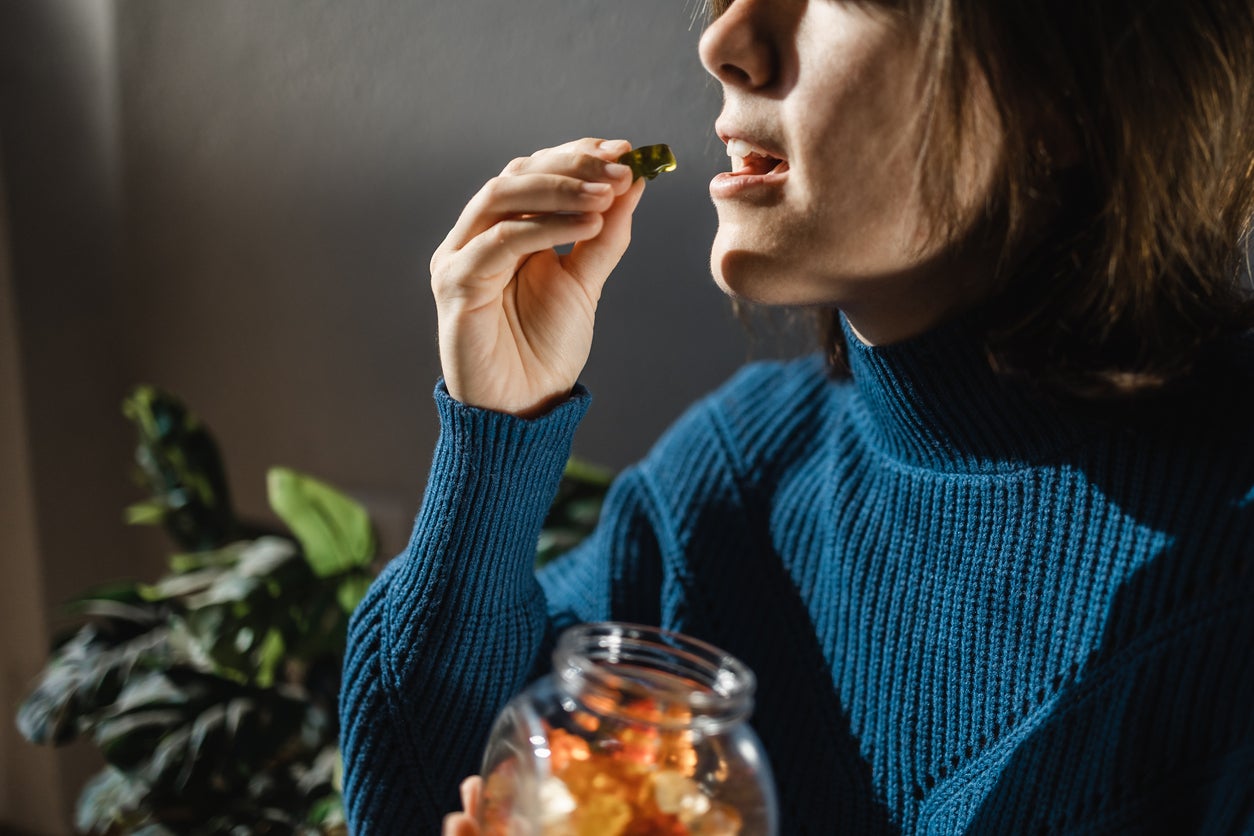
Whether it’s a glass of wine after a long day, a night out at the pub, or the whole of twixmas itself, when drinking can start before lunch (with the cry of “Why not? ’Tis the season!”) – British culture is steeped in alcohol.
But this year, I started to notice something a little different. It began with a friend who had been living in New York. When I offered her a drink at my birthday party in early December, she declined. “I’m California sober these days,” she said.
I hadn’t heard the phrase before. She explained that she’d given up the booze but took the edge off 100 per cent sober reality with gummies and the occasional microdosing of psychedelics (legal in some US states).
So, as we enter Dry January, could this trend be making its way over here, too?
New research from Alcohol Change UK finds that 17.5 million will be planning a month off alcohol in January 2026. This latest polling from the charity behind the renowned Dry January challenge, now in its 14th year, suggests that almost a third (32 per cent) of UK adults have planed to attempt a 31-day break from alcohol in the New Year.


But increasingly, an alcohol-free lifestyle isn’t just for January, and many are discovering new ways to give up drinking for the long term. One friend in his fifties, who gave up after 30 years of overdoing it, was also embracing alternative highs at a recent gathering. “I feel SO much better for giving up the booze,” he gushed. “But I do have the odd gummy, at or before social occasions, to give me a bit of a kick.”
It’s not just fiftysomethings, either. Chatting to a group of Gen Zs who had dropped by, I offered them all a beer. “Oh, we don’t drink,” they explained. They too are “Cali sober” – or at least, a version of it.
The California sober approach was originally rooted in a lifestyle choice in LA for those cutting down on drinking while still using marijuana or cannabis edibles. Celebrities such as Fiona Apple and Demi Lovato have both admitted to being California sober and, according to US publication The Hill, cannabis is seen as a better fit for the Cali wellness-oriented lifestyle.
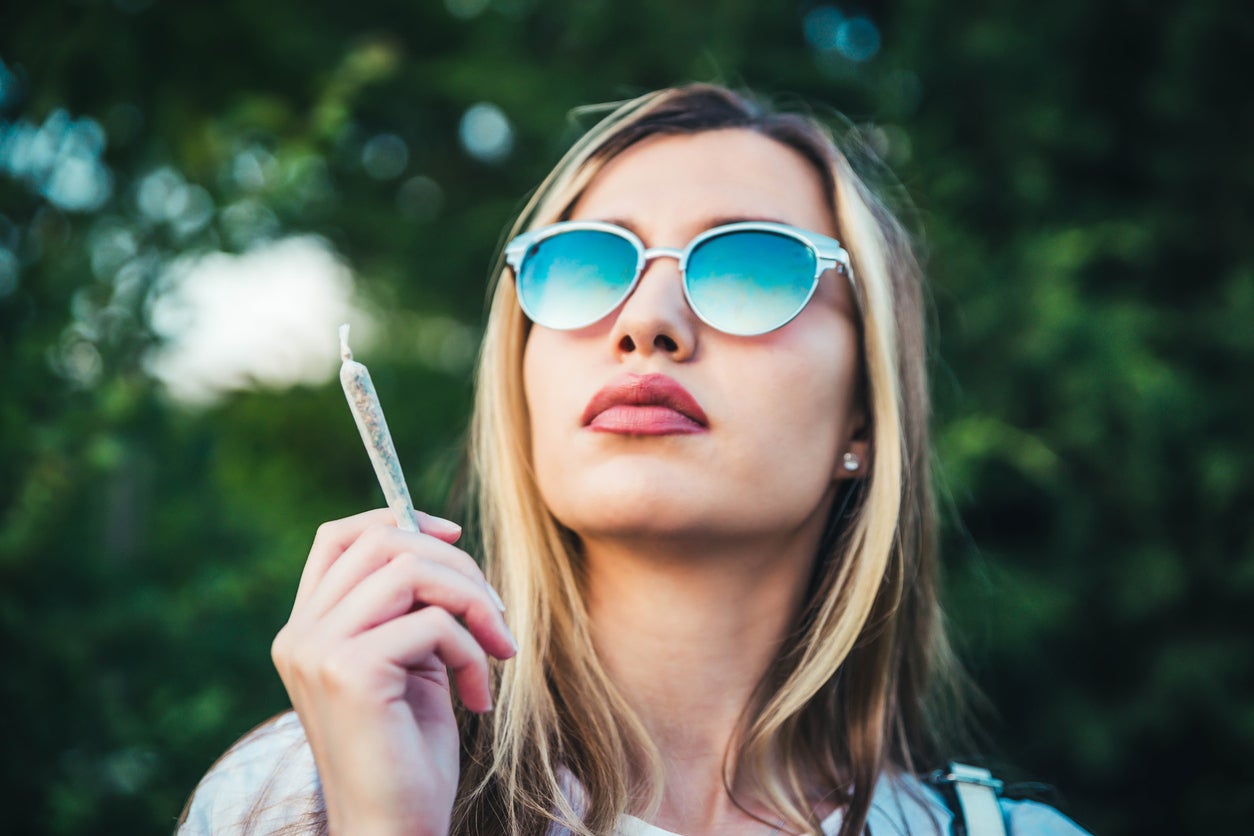
In LA, cannabis is fully legal for adults 21+ and is sold in licensed dispensaries, regulated like alcohol. Today, legalised marijuana in the US is a $40bn (£29.7bn) industry, while alcohol is worth $260bn. Of course, the California sober lifestyle is trickier in the UK, because cannabis and psychedelics are illegal, but trends often migrate from the US to the UK, and it’s worth noting how people are adapting them here.
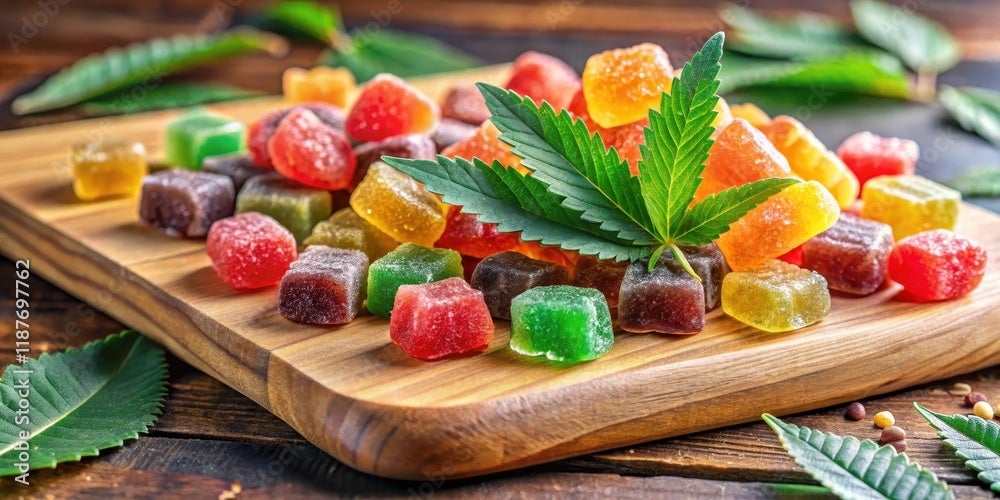
Whether they are taking CBD, using herbal relaxants like valerian and ashwagandha, or dabbling in non-psychoactive mushroom products like Lion’s Mane or herbal gummies, the alternative high market is booming. In the UK, CBD gummies are now widely available in shops like Boots and Holland & Barrett, but legally must contain less than 0.2 per cent THC (the main psychoactive compound in cannabis). According to one YouGov report, roughly one in 14 British adults (7 per cent) have used CBD edibles, and gummies reign supreme, with nearly three-quarters of respondents (72 per cent) having consumed them.
This is not news to big beverage manufacturers: Gen-Zers are drinking 20 per cent less alcohol than millennials. This isn’t just a passing fad, either. Forbescalls the Cali sober trend “the next billion-dollar industry”, and it coincides with a decline in alcohol sales. Many now take a legal gummy for a sober boost at gigs or social events – providing a “two glasses of champagne”-style high without the hangover. Gummies have also become increasingly popular among menopausal women, for whom alcohol often triggers hot flushes and night sweats.
While psilocybin (magic mushrooms) and LSD are class-A drugs in the UK, microdosing is becoming a trend among this group, too. In my bestselling book Much More to Come: Lessons on the Mayhem and Magnificence of Midlife, I describe attending a psilocybin retreat in Jamaica (where psilocybin is legal). Taken in small quantities, it had a similar effect on me to a few rum and cokes, but with far better results the following morning.
For those who don’t enjoy alcohol, or for whom booze is no longer the recreational drug of choice, being in a country with legal alternatives is a boon. In the UK, possession carries a risk of up to seven years’ imprisonment, which goes some way to explaining why the market for legal alternative highs is soaring.
According to a recent marketplace report, the UK gummy market is expected to grow by 12.9 per cent between 2024 and 2030, reaching nearly $900m. Within this, sales of gummies based on CBD/CBN (cannabinoids found naturally in the cannabis plant) are expected to grow by 18.6 per cent in the same period.
One friend who regularly takes a gummy before or during a night out explains: “It just takes the edge off. You feel relaxed and have fun without the hangover the next day.” She admits that “it could be psychological”, but adds: “I’ve got my husband into them too. He’s prone to depression, but alcohol makes that worse. So instead of drinking at home, we’ll take a gummy or two to chill out, which also helps us sleep – an absolute priority when you’re over 50 like we are.”
As functional gummies – those with active ingredients such as vitamins, probiotics, CBD, and nootropics – gain traction, many are wondering how long it will take the UK government to reconsider what constitutes a harmful substance, as the US government has done. According to the latest ONS figures, around 29 per cent of adults in the UK (age 16+) drink at a hazardous or harmful level. Alcohol is linked to over 7,000 deaths annually in England and Wales (liver disease, cancers, accidents, cardiovascular disease).
Some suggest that legalising alternative recreational substances could help reduce alcohol-related liver disease, violence, and the prevalence of hangovers caused by excessive drinking. In the US, where 80 per cent of Americans live near a legal dispensary, more people now use cannabis daily, or nearly every day, than use alcohol. Last year, cannabis sales topped $35bn, generating $4.4bn in tax revenue, while public support for legalisation rose from 25 per cent in 1995 to 70 per cent today.
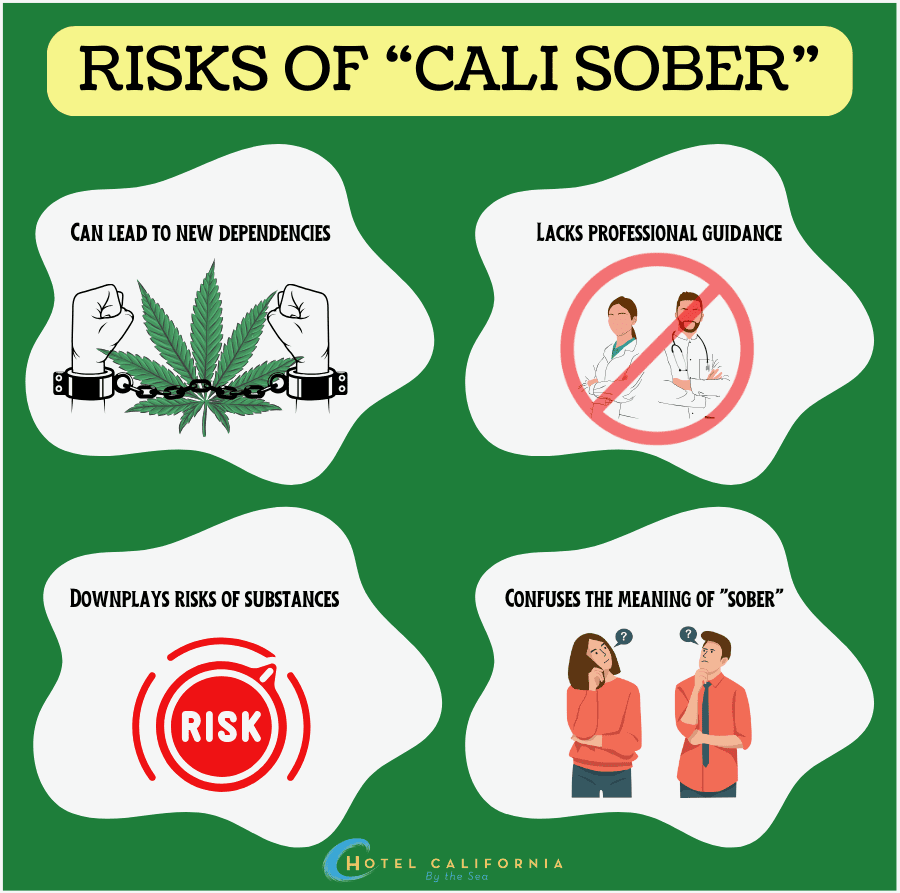
Of course, marijuana and psychedelics are not risk-free – as well as being illegal in the UK, younger people and those with a history of psychosis should avoid them. Doctors also warn against replacing one addiction with another, and professionals argue that even the term “Cali sober” confuses what being sober is – especially for people who have been in recovery. But the booming UK market for legal alternative highs, like gummies and other edibles, shows that the appetite for something other than alcohol is growing all the time.
Eleanor Mills is the founder of www.noon.org.uk — the UK’s premier network for women in midlife, home of the Queenager
If you or someone you know is struggling with substance abuse, you can visit Frank for support and advice. You can also call the Frank drugs helpline on 0300 123 6600
Join our commenting forum
Join thought-provoking conversations, follow other Independent readers and see their replies
Comments
Bookmark popover
Removed from bookmarks