How climate change is threatening the future of Winter Olympics
The 2026 Winter Olympics will rely on millions of cubic metres of artificial snow
Climate crisis is threatening the future of the Winter Olympics, with warming winters already forcing heavy reliance on artificial snow at the upcoming games in Italy and raising questions about long-term viability of traditional skiing venues.
The 2026 Winter Olympics, co-hosted by Milan and the Alpine town of Cortina d'Ampezzo, will rely on millions of cubic metres of artificial snow as warming winters reduce the number of freezing days across the Italian Alps, according to reports.
The Games, which will run from 6-22 February 2026, are expected to require more than three million cubic yards of machine-made snow. This is despite many outdoor events taking place at altitude around Cortina d’Ampezzo, according to analysis by nonprofit news organisation Climate Central.
February temperatures in Cortina have warmed 6.4°F (3.6C) since the town last hosted the Winter Olympics in 1956, pushing average winter conditions closer to the thawing point. During the decade following the 1956 Games, Cortina recorded an average of 214 freezing days per year. That figure has fallen to 173 days in the most recent decade – a decline of nearly 20 per cent.
The trend is mirrored in Milan, which will host indoor ice events such as figure skating and ice hockey. February temperatures there have risen 5.8°F (3.2C) over the same period, while March temperatures – relevant for the Winter Paralympics – have also increased markedly .
Climate Central’s analysis shows that all 19 cities which have hosted the Winter Olympics since 1950 have warmed by an average of 4.8F (2.7C). Average February snow depth in Cortina has declined by around 15cm since the early 1970s, increasing reliance on artificial snow production to ensure safe and consistent competition surfaces.
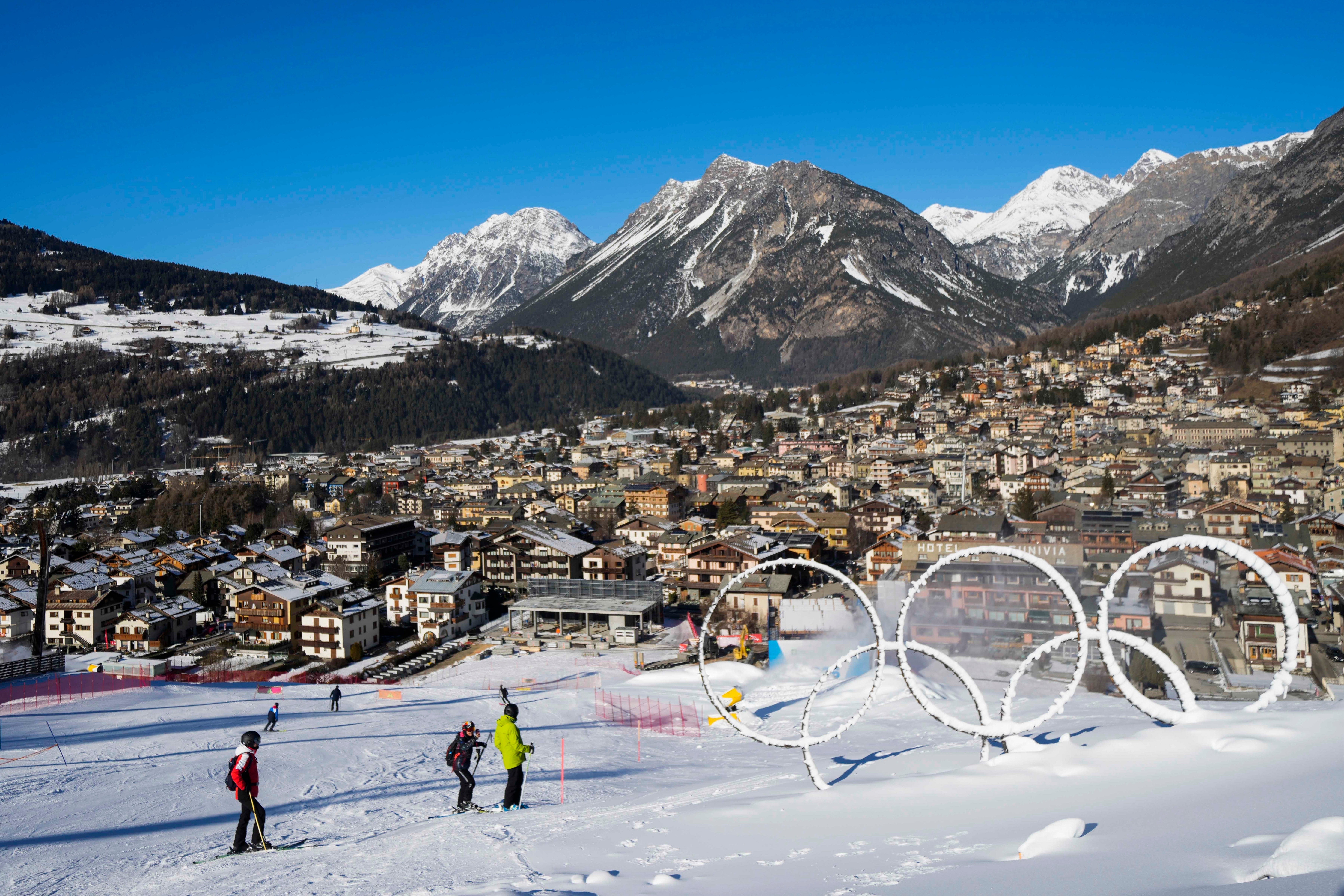
While snowmaking has become routine at elite winter sporting events, it carries practical limits. Artificial snow requires sustained sub-zero temperatures to settle and refreeze properly. When temperatures hover around freezing, organisers face risks including rain-soaked courses, uneven snow coverage, and harder surfaces that can raise the likelihood of athlete injury.
A separate study assessed 93 previous and potential Winter Olympics host locations, examining the probability of freezing temperatures and minimum snow depth. It found that while 94 per cent of locations currently meet climate reliability thresholds, that figure could fall to 56 per cent by the 2050s under a mid-range global warming scenario.
The outlook is even more challenging for the Winter Paralympics, which are typically held in March. Just 53 per cent of potential host cities currently meet reliability criteria for Paralympic winter events – a figure projected to drop to 24 per cent by mid-century, with high-emissions scenarios leaving only a handful of viable hosts by the 2080s.
Elite athletes are already feeling the effects. Surveys show that 94 per cent of top-level competitors and coaches are concerned climate change will damage the future of their sport, with shortened seasons forcing athletes to “chase snow” across continents for training.
Long-range forecasts suggest the Milan–Cortina region faces a 50–60 per cent chance of above-average temperatures in February, rising to 60–70 per cent in March, underscoring the growing uncertainty surrounding winter sport in Europe’s traditional alpine heartlands.
The International Olympic Committee has pledged to make future Games “climate positive” from 2030. But the data suggest that even with sustainability measures, warming winters are steadily narrowing the number of places capable of reliably hosting the world’s biggest winter sporting events.
Join our commenting forum
Join thought-provoking conversations, follow other Independent readers and see their replies
Comments
Bookmark popover
Removed from bookmarks