Scientists sound alarm over dangerous long-term impacts of wildfires on humans
Wildfires can pollute rivers and streams for nearly a decade after they burn
Wildfires can pollute rivers and streams for nearly a decade after they burn, a new study has found, raising fresh concerns about long-term impacts on drinking water and ecosystem health.
Researchers analysed more than 100,000 water samples from both burned and unburned river basins in the US, revealing that contaminants such as nitrogen, phosphorus, sediment and organic carbon remained elevated for years after a fire, far longer than previously assumed.
“It can take two years, up to eight years, for the effect to be fully felt,” said Ben Livneh, associate professor at the University of Colorado Boulder and a co-author of the study.
“Sometimes it can be a delayed effect, meaning it's not all happening right away, or sometimes you need a big enough storm that will mobilise enough of the leftover contaminants.”
The findings, detailed in the journal Nature Communications Earth & Environment, are based on the first large-scale analysis of post-wildfire water quality in western US, a region increasingly vulnerable to intense and frequent wildfires due to climate change.
Study lead author Carli Brucker, formerly a PhD candidate at CU Boulder and Western Water Assessment, said the research aimed to spot broad patterns that could guide future resilience planning.
“We were attempting to look at notable trends in post-wildfire water quality across the entire US West, to help inform water management strategies in preparing for wildfire effects,” she said.
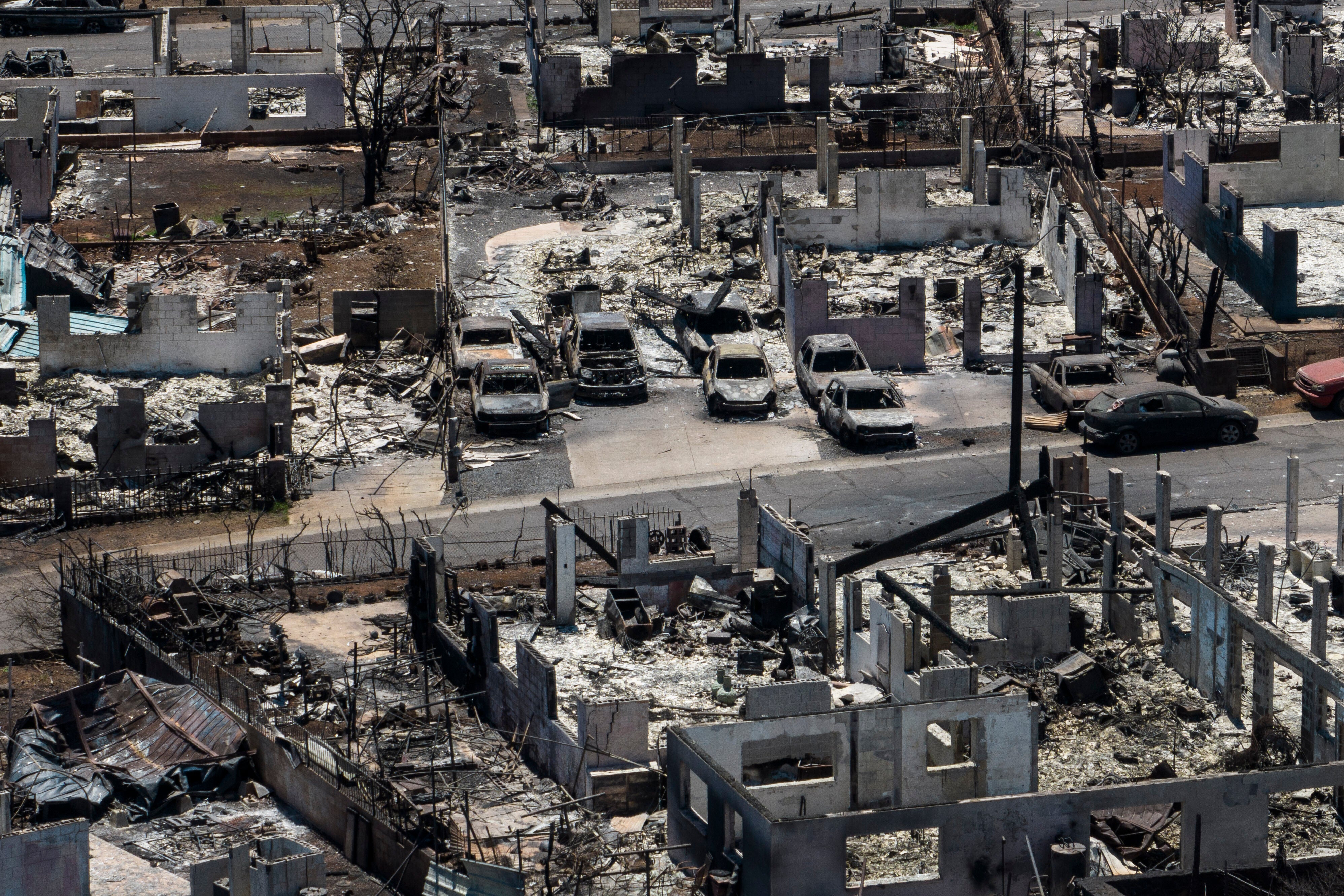
The team found that while some pollutants peaked in the first one to five years, others lingered for much longer. Nitrogen and sediment remained significantly elevated up to eight years after a blaze, especially in forested regions.
Researchers also discovered substantial variation in how watersheds responded. Some experienced negligible change but others saw up to 2,000 times more sediment than normal.
“There's a huge amount of variability in sedimentation rates,” Ms Brucker said. “Some streams are completely clear of sediment after wildfires, and some have 2000 times the amount of sediment.”
This variation was closely tied to fire location, soil type, vegetation, and rainfall patterns. Fires closer to rivers, for instance, had more dramatic effects.
“There's been a lot of work, for example, in the National Climate Assessment and the International Panel on Climate Change talking about changes in global water supply,” Prof Livneh said.
“But those assessments point to this gap in water quality assessments in a continental scale context, whereas people like me in physical hydrology have been thinking about the continental scale challenges for a while.”
The researchers hope their findings can help water managers better plan for future fire seasons.
“You can't fund resilience improvements on general concerns alone,” Ms Brucker said. “Water managers need real numbers for planning, and that's what we're providing.”
Global wildfire activity has surged in recent years, driven by prolonged droughts and shrinking snowpacks caused by the climate crisis. In the US, nearly 65,000 wildfires burned 8.9 million acres in 2024 alone while England has already seen an almost 717 per cent spike in wildfires this year compared to the same period in 2024.
Satellite data shows extreme fires have more than doubled worldwide over the past two decades, with longer fire seasons and more frequent heatwaves pushing fire conditions beyond historical norms.
Scientists warn that without urgent emissions cuts and resilience planning, the scale and intensity of fires will only worsen.
Join our commenting forum
Join thought-provoking conversations, follow other Independent readers and see their replies
Comments
Bookmark popover
Removed from bookmarks