Nepal to scrap Everest waste deposit scheme after years of mounting rubbish
Scheme introduced over a decade ago requires climbers to pay a deposit of about £3,000 each that they can reclaim if they return from expedition with at least 8kg of waste
Nepal was set to scrap a long-running waste deposit scheme on Mount Everest after concluding it had failed to reduce the accumulation of rubbish on the world’s highest mountain, officials said.
The scheme, introduced more than a decade ago, required climbers to pay a deposit of $4,000 (£2,960) which they could reclaim if they returned with at least 8kg of waste at the end of their expedition.
Officials said the policy had not delivered meaningful results, particularly at higher camps where waste was most visible and hardest to remove.
Tourism ministry officials told the BBC the scheme would be discontinued as it had “failed to show a tangible result” and grown into an administrative burden, despite most climbers receiving their deposits back over the years.
Authorities say that the problem lies in where the waste is collected. While climbers generally bring rubbish down from lower camps, significant amounts of trash such as food containers, abandoned tents, oxygen bottles and human waste remain at higher altitudes.
Tshering Sherpa, the chief executive of the Sagarmatha Pollution Control Committee, which oversees waste control on Everest, said climbers often prioritised bringing back oxygen cylinders from higher camps.
“Other things like tents and cans and boxes of packed foods and drinks are mostly left behind there, that is why we can see so much waste piling up,” he told the BBC.
An average climber produces up to 12kg of waste during an Everest expedition which typically lasts several weeks.
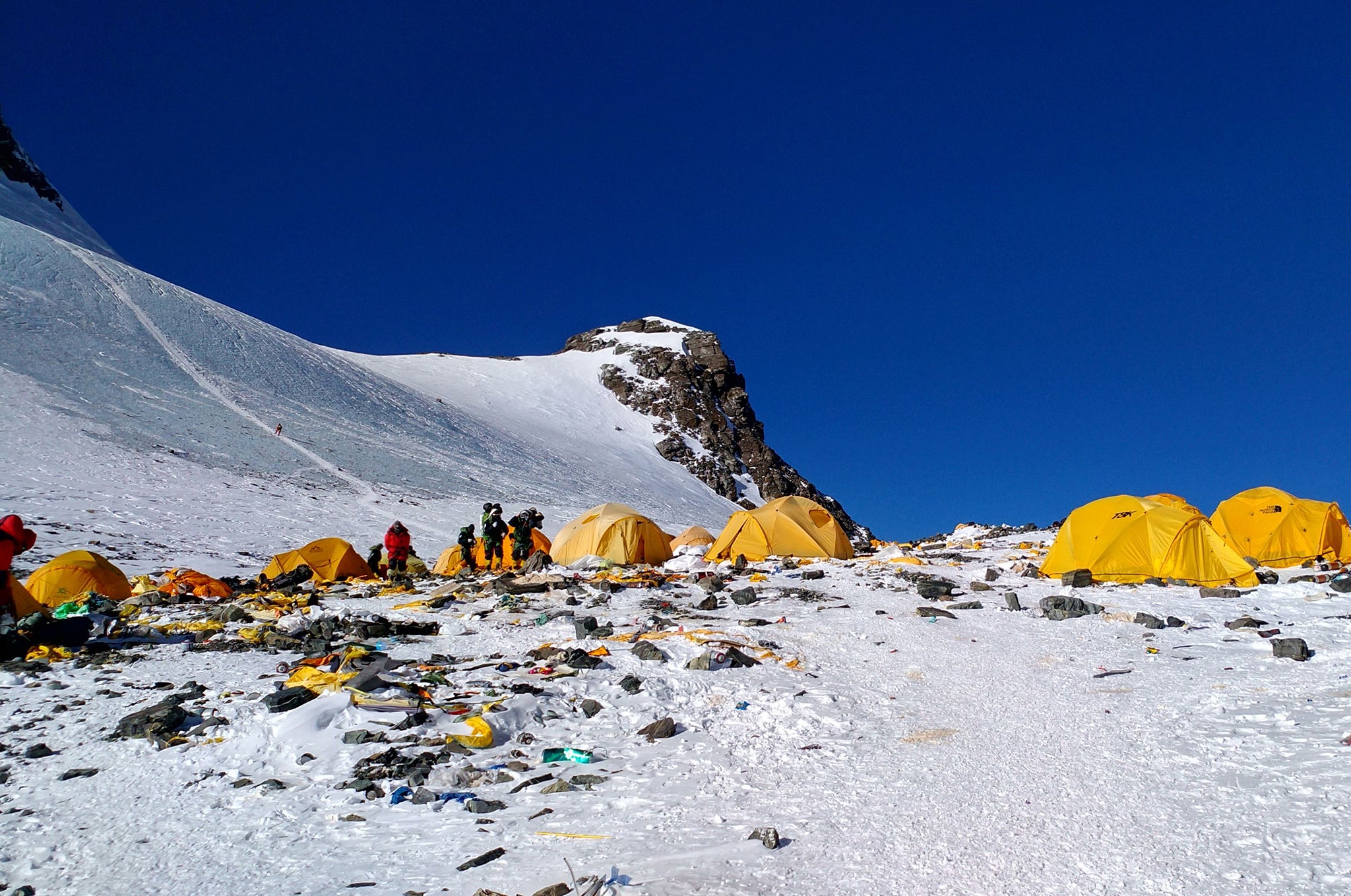
Officials cited limited monitoring as a major flaw. Beyond a checkpoint above the Khumbu Icefall, there’s little oversight of waste practices higher up the mountain, where enforcement is difficult and dangerous.
Authorities are now planning to replace the refundable deposit with a non-refundable clean-up fee, expected to be set at $4,000 (£2,960), subject to parliamentary approval.
The funds would be used to establish additional checkpoints and deploy mountain rangers to monitor waste removal at higher camps.
Tourism officials said the new system would create a dedicated pool of funding for enforcement and clean-up rather than relying on the deposit scheme that failed to change behaviour.
The fee will form part of a recently introduced five-year mountain clean-up action plan aimed at tackling waste across Nepal’s major climbing peaks.
Though no comprehensive study has quantified the total amount of waste on Everest, it is widely estimated to run into tens of tonnes, including human excrement that does not decompose at freezing temperatures.
The number of climbers attempting Everest has risen steadily in recent years, averaging about 400 annually, alongside hundreds of guides and support staff.
Environmental groups and local officials warn that without sustained monitoring and enforcement, any clean-up effort risks staying focused on lower camps even as waste continues to accumulate higher up the mountain.
Join our commenting forum
Join thought-provoking conversations, follow other Independent readers and see their replies
Comments
Bookmark popover
Removed from bookmarks