Two-thirds of the US is facing drought in the middle of winter. Here’s why scientists are worried
Drought conditions threaten water supplies and could mean fire risks
More than two-thirds of the country is facing unusual dryness or full-blown drought conditions, despite winter being known for heavier precipitation, according to a Washington Post analysis of recent U.S. Drought Monitor data.
The conditions touch every state except for the usually drought-prone California, which has had a wet winter.
The dryness has scientists, local officials, and resource planners alarmed, as the conditions can reduce local water supplies and drive up the risk of wildfires.
States with the highest percentage of their area in severe drought include Georgia, Maine, North Carolina, Florida, New Mexico, and Virginia, the paper found.
In Utah, about 93 percent of the state is experiencing moderate to extreme drought, and temperatures this winter have been nearly 10 degrees above the average.

“We had green grass and weeds growing in our city even into January, leading me to be more worried about mowing instead of shoveling snow. I’ve never seen anything like it,” Jon Meyer, Utah’s assistant state climatologist, told the paper.
The conditions have set off alarm bells across the country, especially in regions like the Mountain West, which is dependent on snowfall both for winter tourism dollars and water supplies from snowmelt.
Colorado is in a snow drought, and the snowpack is the lowest on record for this time of year, according to Colorado Public Radio, following a December 2025 that was the warmest on record.
“It’s as grim as it gets right now,” Brad Udall, water and climate research scientist at the Colorado Water Center at Colorado State University, told the broadcaster.
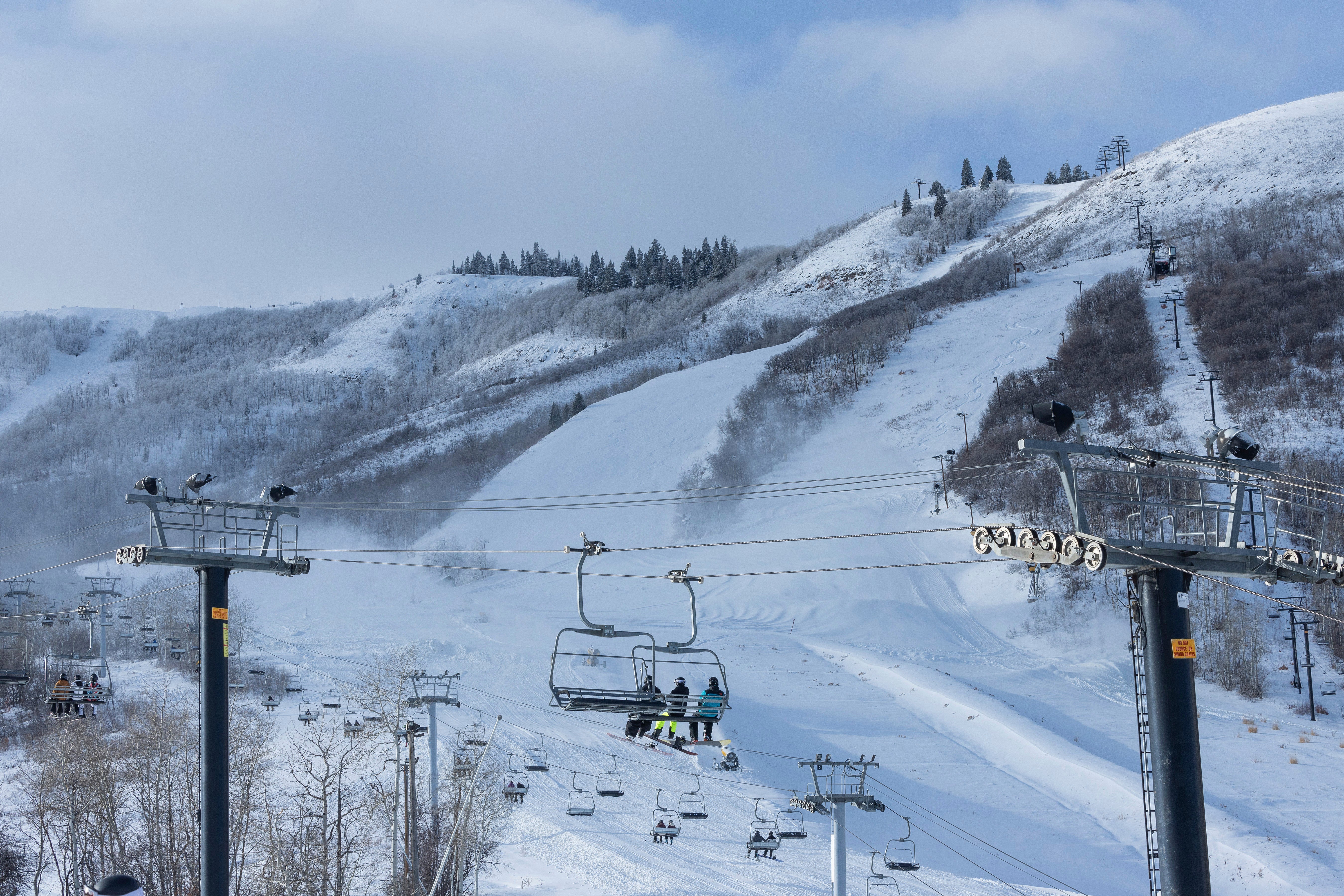
Brad Riesenberg, who owns a backcountry snowmobiling business in Park City, Utah, said the mild winter has been one of his worst years for business in two decades.
“We’ve lost lots and lots of money and it’s been pretty tough,” he told CNN. “This is up there with some of the worst [winters], if not the worst.”
Researchers point to a variety of drivers including climate change, persistent La Niña conditions, and the ongoing marine heat wave in the northern Pacific Ocean.
The lack of water has been especially concerning in the Western U.S., where negotiations remain deadlocked over what to do about the oversubscribed Colorado River.
As The Independent previously reported, a recently published 40-year study warns that the climate crisis will increase the frequency, severity, and reach of droughts.
“Each year since 1980, drought-stricken areas have spread by an additional fifty thousand square kilometers on average — that’s roughly the area of Slovakia, or the U.S. states of Vermont and New Hampshire put together — causing enormous damage to ecosystems, agriculture, and energy production,” Institute of Science and Technology Austria Professor Francesca Pellicciotti said in a statement.
Join our commenting forum
Join thought-provoking conversations, follow other Independent readers and see their replies
Comments
Bookmark popover
Removed from bookmarks