Ford turns to Renault for a new electric Ford Fiesta due in 2028
The two car giants will collaborate on two new Ford EVs in Europe based on Renault’s Ampere platform, with the Ford Transit in the mix, too.

Ford and Renault have announced a major new partnership that will see the two automotive heavyweights working together on a new generation of affordable electric cars for Europe – with Ford leaning on Renault’s proven EV technology to help accelerate its shift to electrification.
Under the agreement, Renault Group will develop and build two Ford-branded electric passenger cars using its advanced Ampere platform, the same architecture that underpins the award-winning Renault 5 and Renault 4 E-Tech models. The deal marks a new chapter for Ford in Europe as it looks to strengthen its line-up of smaller, more affordable EVs.
The tie-up represents a shift in Ford’s European EV strategy. Until now, Ford has relied heavily on its partnership with Volkswagen, using the German firm’s MEB platform for its new Explorer and Capri electric SUVs – both designed and engineered by Ford, but underpinned by VW technology.
The only other EVs in Ford’s current car line-up are the Ford produced Puma Gen-E and a passenger version of the E-Tourneo courier small van.
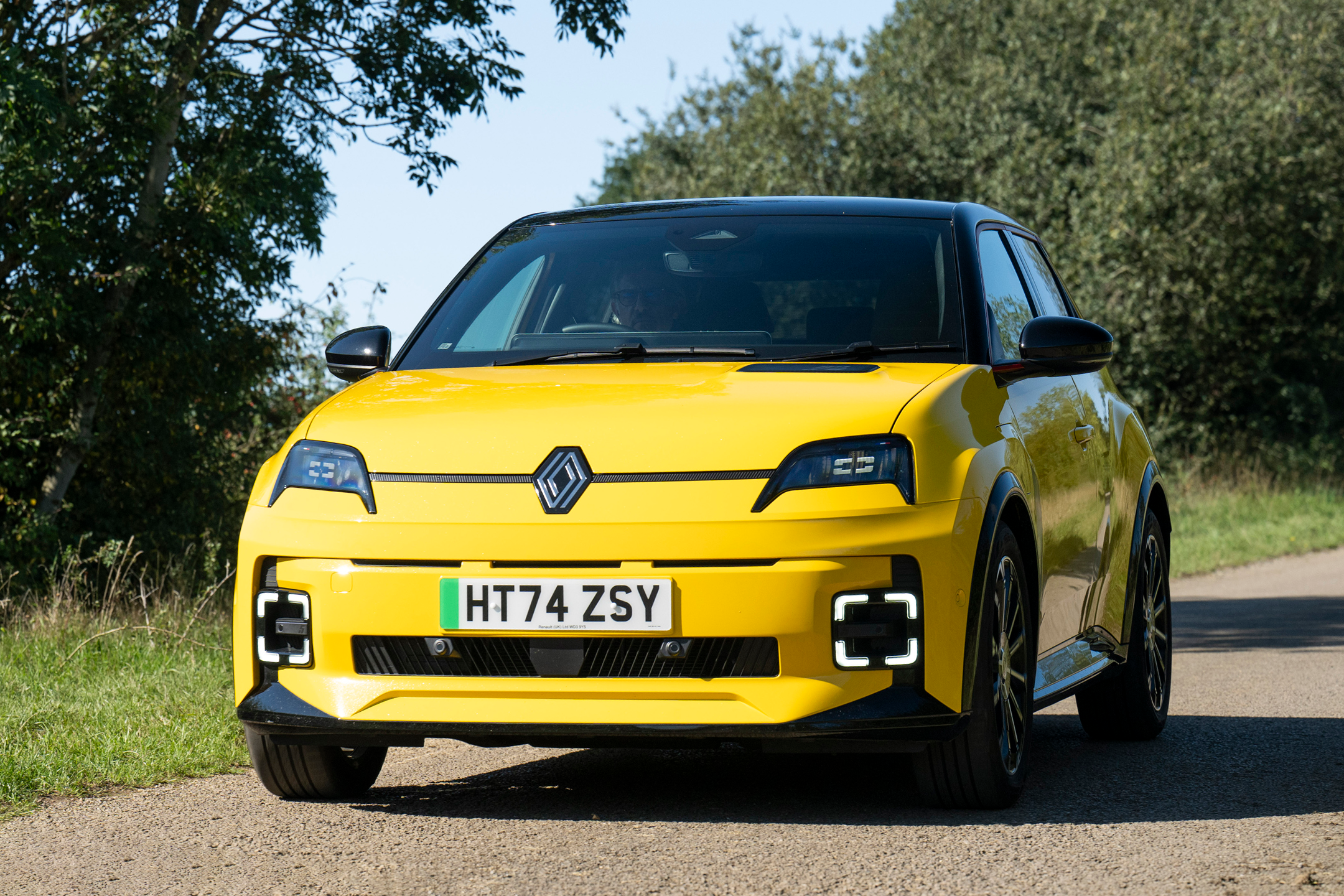
With this new deal, Ford is effectively broadening its alliances, turning to Renault’s Ampere business for smaller, more affordable electric cars – although it is possible that Renault platforms could eventually be used to replace the Explorer and Capri.
While neither Renault nor Ford has confirmed which models will emerge first from the collaboration, one is likely to be a spiritual successor to the Ford Fiesta – Britain’s best-selling car for decades – which Ford canned in 2023.
A compact Ford hatchback built on Renault’s Ampere platform, sharing key technology with the retro-inspired Renault 5, would give Ford an affordable urban EV to take on the likes of the BYD Dolphin Surf and upcoming Kia EV2 and Volkswagen ID.2.
The new Ford EVs will be designed by Ford but produced by Renault Group in northern France – specifically within Renault’s Ampere ElectriCity hub, the company’s state-of-the-art EV manufacturing ecosystem that brings together facilities in Douai, Maubeuge and Ruitz. The first of the two models is expected to hit showrooms in early 2028.

Ford president and chief executive Jim Farley described the move as a “highly efficient and fit-for-the-future” approach to electrification in Europe. “We will combine Renault Group’s industrial scale and EV assets with Ford’s iconic design and driving dynamics to create vehicles that are fun, capable, and distinctly Ford in spirit,” he said.
Renault Group chief executive François Provost added: “Renault Group is proud to announce a new strategic cooperation with Ford, an iconic car manufacturer. This partnership shows the strength of our know-how and competitiveness in Europe. In the long term, combining our strengths with Ford will make us more innovative and more responsive in a fast-changing European automotive market.”
Alongside the passenger car collaboration, the two companies have also signed a Letter of Intent to explore opportunities in the commercial vehicle sector. The plan could see Renault and Ford co-developing and jointly manufacturing selected light commercial vehicles (LCVs) for the European market – building on decades of expertise both brands already have in vans such as the Renault Trafic and Ford Transit.
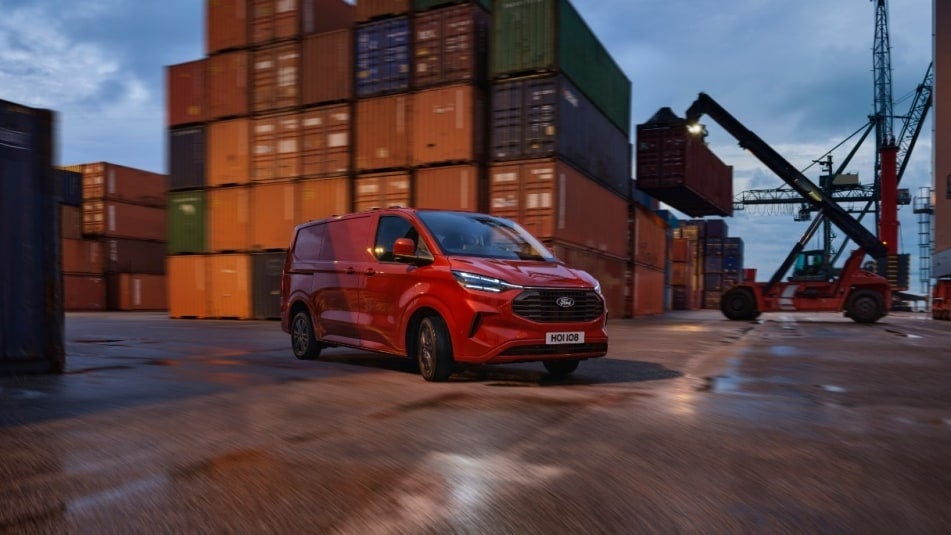
Currently, the Ford Transit Custom is the UK’s second best-selling vehicle, only a few thousand behind the best-selling car, the Ford Puma. The bigger Ford Transit model would also make it into the top-selling vehicle list ahead of the Volkswagen Tiguan, MG HS and Hyundai Tucson SUVs.
By joining forces, Ford and Renault say they aim to “address industry challenges and better serve customers” while boosting competitiveness in both the retail and commercial vehicle markets. The agreement will also see the companies share industrial scale, supply chains and software know-how to speed up product development and reduce costs – essential in an era when affordable EVs have become one of the industry’s biggest challenges.



Renault’s Ampere platform, which has been developed specifically to deliver low-cost, efficient electric cars, will sit at the heart of the deal. Designed for scalability, it supports both compact and mid-size EVs and is being used across a new generation of Renault, Alpine and Dacia models.
For Renault, it’s a validation of the strength of its Ampere business – the company’s dedicated EV division that is fast becoming one of Europe’s most sought-after technology providers. The Renault 5’s Ampere platform also forms the basis of the new Nissan Micra. For Ford, it’s a smart, pragmatic move that could help it regain a foothold in the small-car market while accelerating its EV rollout across Europe.
Join our commenting forum
Join thought-provoking conversations, follow other Independent readers and see their replies
Comments
Bookmark popover
Removed from bookmarks