Ancient bacteria discovered in a cave found to be resistant to 10 antibiotics
Bookmark popover
Removed from bookmarks
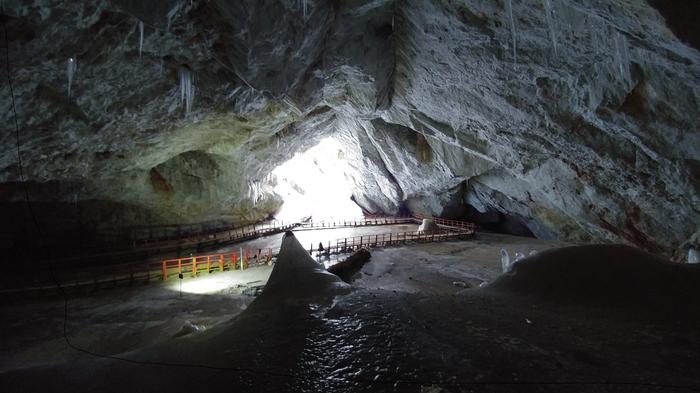
Scarisoara Ice Cave in Romania, home to the microorganism Psychrobacter SC65A.3 (Paun V.I.)
Scientists have discovered 5,000-year-old bacteria, Psychrobacter SC65A.3, frozen in an ancient underground ice cave in Romania.
This ancient bacterial strain has shown resistance to 10 different modern antibiotics, including those used for serious infections.
Researchers warn that if melting ice releases these microorganisms, their resistance genes could spread, exacerbating the global challenge of antibiotic resistance.
Conversely, the bacteria also produce unique enzymes and antimicrobial compounds that could inspire the development of new antibiotics and biotechnological innovations.
The study, published in Frontiers in Microbiology, involved drilling a 25-metre ice core and sequencing the bacteria's genome to understand its survival mechanisms and resistance.



Bookmark popover
Removed from bookmarks