Ranchers in Texas are turning against Trump as price of beef plummets
Moves by President Donald Trump to bring down costs for consumers risk alienating agricultural sector, a key voting bloc on whom he has depended in the past
Cattle ranchers in Texas are expressing their frustration with President Donald Trump over his stewardship of the economy and his measures to bring down the price of beef by welcoming South American exports.
Earlier this year, the president introduced sweeping reciprocal tariffs on America’s trading partners, which caused the price of meat and many other goods to increase dramatically.
The cost of ground beef in U.S. supermarkets climbed to more than $6.31 a pound in August, a 13 percent increase year-on-year, according to The Financial Times, while the price of a sirloin steak spiked 24 percent to $14.31 per pound from $11.54 a year earlier.
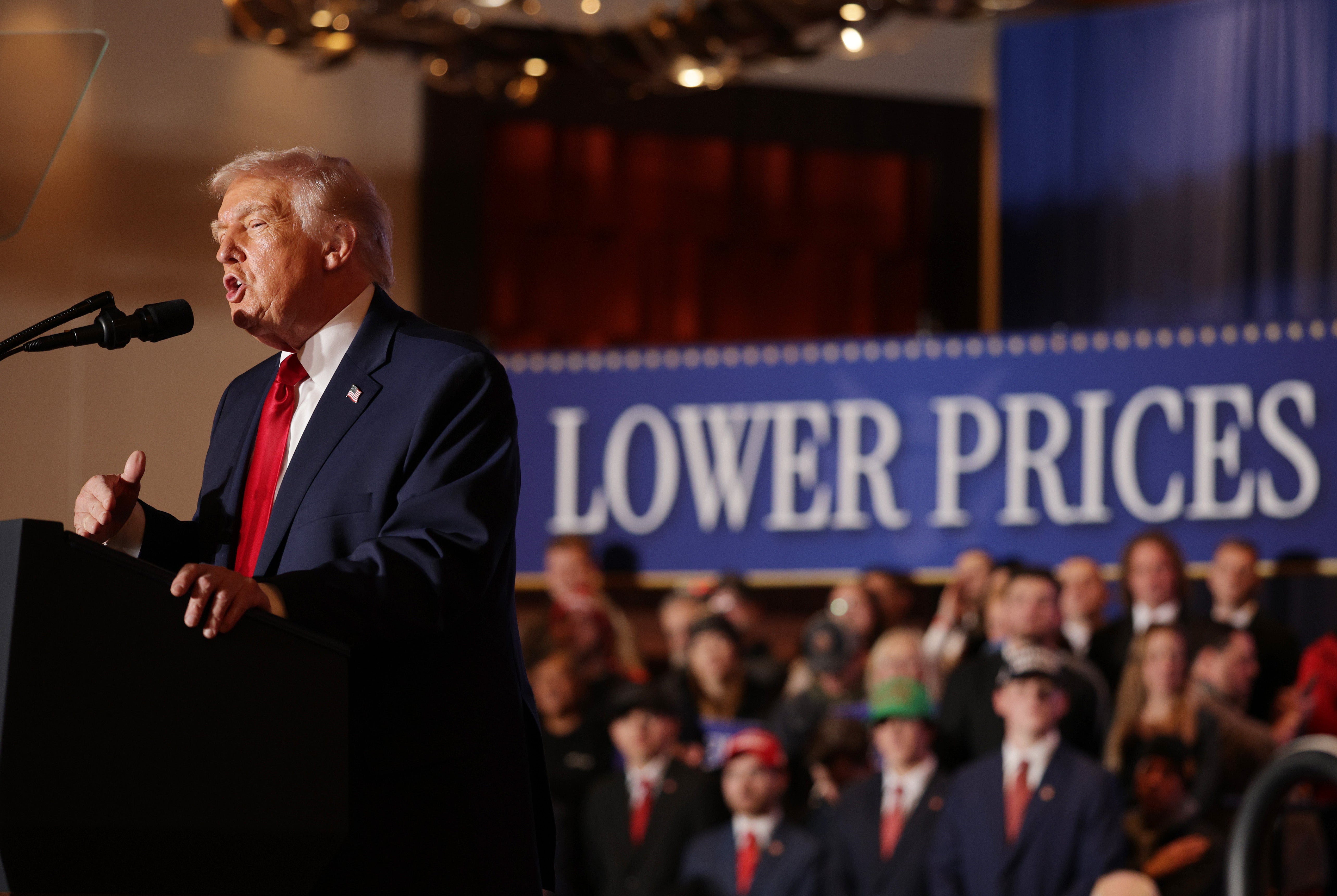
However, amid growing consumer concern about affordability and the cost of living, Trump has had to change course and encourage increased competition from abroad, risking alienating America’s farmers in the process, many of whom voted for him in the past and whose support he will depend on again, not least come next November’s midterms.
“The Cattle Ranchers, who I love, don’t understand that the only reason they are doing so well, for the first time in decades, is because I put Tariffs on cattle coming into the United States, including a 50 percent Tariff on Brazil,” the president wrote in an angry post on his Truth Social platform in October, attempting to head off dissent.

“If it weren’t for me, they would be doing just as they’ve done for the past 20 years – Terrible! It would be nice if they would understand that, but they also have to get their prices down, because the consumer is a very big factor in my thinking, also!”
Trump subsequently announced a deal with Argentina to quadruple the amount of beef exported to the U.S. at a reduced tariff rate and has since rolled back the 50 percent tariff he placed on Brazilian goods to increase that country’s market access in the interest of bringing prices down for American grocery shoppers.
“I don’t really understand it politically, he has just alienated a bunch of ranchers,” Texas livestock farmer Jerrel Bolton told the FT. “He would turn us against him. And we are his biggest supporters.”
Bolton pledged to remain loyal to the president, for now, commenting: “He is putting downward pressure on the beef price, but it’s not a forever deal. I think he will adjust.”
Fellow rancher Hank Herrmann, based in Caldwell, northwest of Houston, was less forgiving, telling the newspaper, “We feel attacked. People are suddenly looking at ranchers like we’re the bad guys.
“We’re only just getting a price that makes ranching economical. Very few people make much money ranching, right now we’re at a spot where it’s paying some bills.”
Milton Charanza, another Caldwell rancher, told the FT: “There is nobody that has been taken advantage of more than the American rancher.
“Rural America expects America first in this country. We are not anti-business with other people but we have to take care of farmers and ranchers here.”
The Department of Agriculture has insisted that farmers are doing better under the Trump administration, picking up 53-56 percent of the amount paid for beef in supermarkets this year, compared to 37-50 percent between 2019 and 2024.
But, in addition to finding themselves on the frontline of the president’s volatile trade war, the ranchers are also navigating the same inflationary pressures as the broader economy and have been hit by the rising cost of everything from fertiliser to the heavy machinery they need to run their farms, like tractors, trucks, and trailers.
“What a tractor costs is crazy!” complained Doug Bass, another Texas rancher from Columbus. “The parts, the repair bills. Your feed costs are higher. Your fuel is high. There’s a whole lot that goes into the ranch and into the cow that people don’t realise.”
Join our commenting forum
Join thought-provoking conversations, follow other Independent readers and see their replies
Comments
Bookmark popover
Removed from bookmarks