Pakistan and Afghanistan agree to temporary ceasefire after airstrike in Kandahar
Dozens have been killed in recent clashes on the Pakistan-Afghanistan border
Pakistan and Afghanistan have agreed to a "temporary ceasefire" on Wednesday, Islamabad announced, after an airstrike and ground fighting killed over a dozen civilians and sent tensions soaring.
The truce aims to halt hostilities along their volatile, contested frontier.
Wednesday's clashes shattered a fragile peace, following weekend fighting that killed dozens. These confrontations mark the worst between the two Islamic countries since the Taliban seized power in Kabul in 2021.
A Pakistani foreign ministry statement confirmed the 48-hour ceasefire began at 1300 GMT on Wednesday.
It noted that "both sides will make sincere efforts, through constructive dialogue, to find a positive solution to this complex yet resolvable issue," adding the truce was agreed upon at the request of the Afghan Taliban government.
Afghan Taliban administration spokesperson Zabihullah Mujahid, however, asserted the agreement resulted from the "request and insistence of the Pakistani side". He added that Kabul has directed its forces to observe the ceasefire, "provided the other side does not commit aggression."
The ceasefire comes after Pakistan carried out an airstrike in Afghanistan's Kandahar province on Wednesday, Afghan and Pakistan officials said.
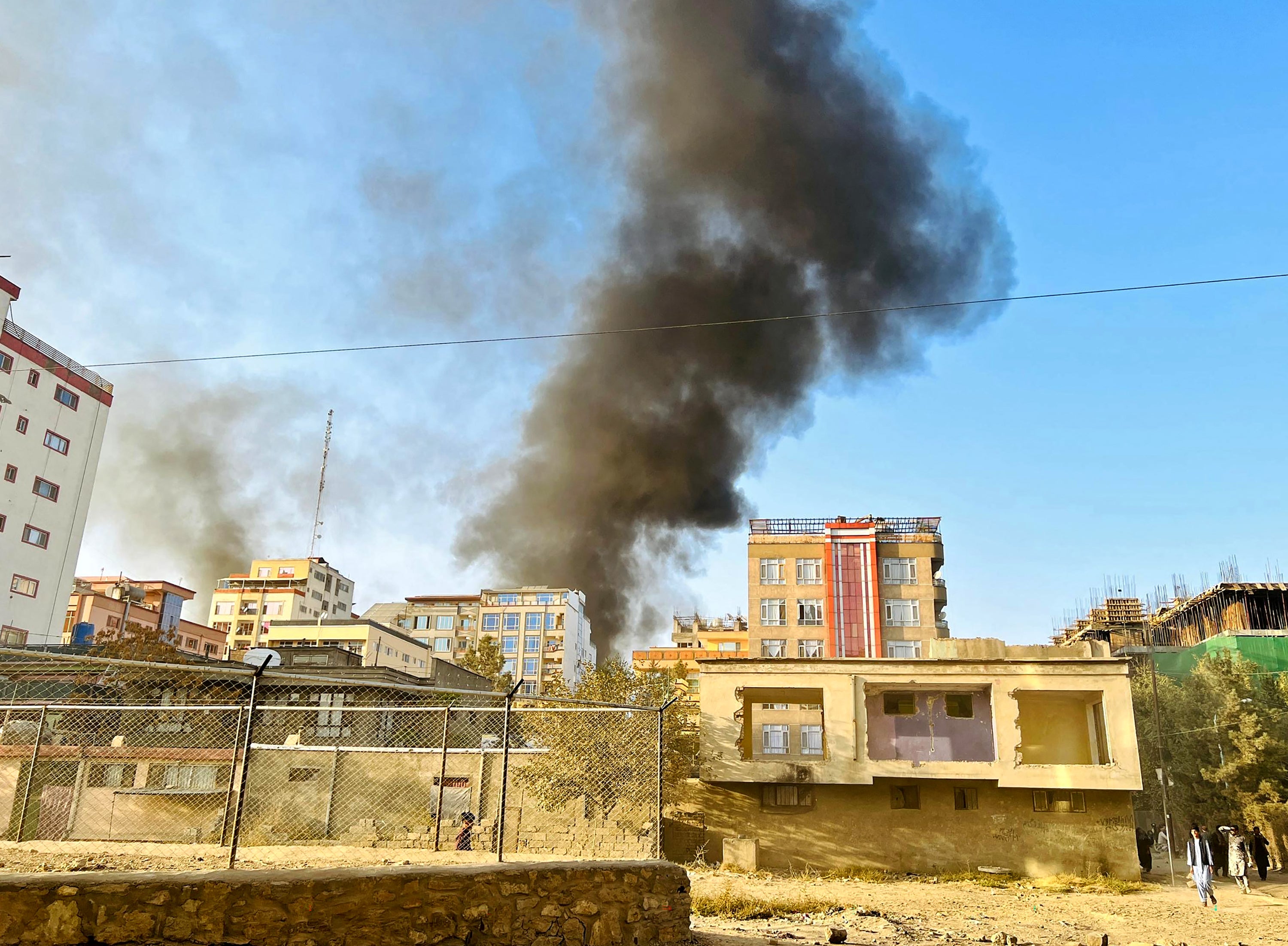
The agreement comes after fresh fighting broke out on Wednesday along the volatile Pakistan-Afghanistan border, killing more than a dozen civilians and troops to shatter a fragile peace after weekend clashes that killed dozens.
The weekend fighting was the worst between the neighbours since the Taliban seized power in Kabul in 2021, despite regular clashes between their security forces along the contested 2,600 km (1,600-mile) frontier.
The Afghan Taliban said more than a dozen of its civilians were killed and 100 wounded as Pakistani forces launched attacks in the early hours of Wednesday in the district of Spin Boldak.
Pakistan said four of its civilians were wounded in attacks by "Taliban forces" in the district of Chaman, which is opposite Spin Boldak across the frontier.
Fighting between troops and militants in a second incident in Pakistan's border district of Orakzai killed six Pakistani paramilitary soldiers and wounded six, two security officials told Reuters.
Nine militants were also killed, they said, adding that the violence broke out during a search in the area by troops after a militant attack last week killed 11 Pakistani soldiers.
The Pakistani military did not immediately respond to a request for comment on the Orakzai clash. But it dismissed as "outrageous and blatant lies" Kabul's accusation that Pakistan had launched the attack in Spin Boldak.
Border closed

The recent friction between the two former allies erupted after Islamabad demanded that the Afghan Taliban administration tackle militants who have stepped up attacks in Pakistan, saying they operate from havens in Afghanistan.
The Taliban accuses the Pakistani military of conspiring against Afghanistan by spreading misinformation, provoking border tension, and sheltering ISIS-linked militants to undermine the country's stability and sovereignty.
Pakistan's military denies the charges and points to attacks in Pakistan by ISIS-K, or Islamic State Khorasan, the regional affiliate of the Islamic State group active in the neighbours.
It opposes the Taliban and has carried out bombings targeting civilians, officials and foreign interests.
The neighbours have closed several crossings along their border in the aftermath of the fighting, bringing trade to a halt and stranding scores of vehicles laden with goods.
Pakistan is the main source of goods and food supplies for landlocked, impoverished Afghanistan.
Last week's clashes drew international concern, with China urging protection for both its citizens and investments, Russia calling for restraint, and U.S. President Donald Trump saying he could help end the conflict.
The latest tension between Pakistan and Afghanistan has coincided with Afghan Taliban Foreign Minister Amir Khan Muttaqi's first visit to Pakistan's arch rival, India.
On the visit, India and Afghanistan decided to upgrade ties, with New Delhi saying it would reopen its embassy in Kabul, while the Afghan Taliban plans to send its diplomats to India.
Join our commenting forum
Join thought-provoking conversations, follow other Independent readers and see their replies
Comments
Bookmark popover
Removed from bookmarks