Voting in Bangladesh’s historic election concludes with women all asking the same question – where are all the female candidates?
Alisha Rahaman Sarkar reports on Bangladesh’s election, with concerns that women are not being represented at the ballot box


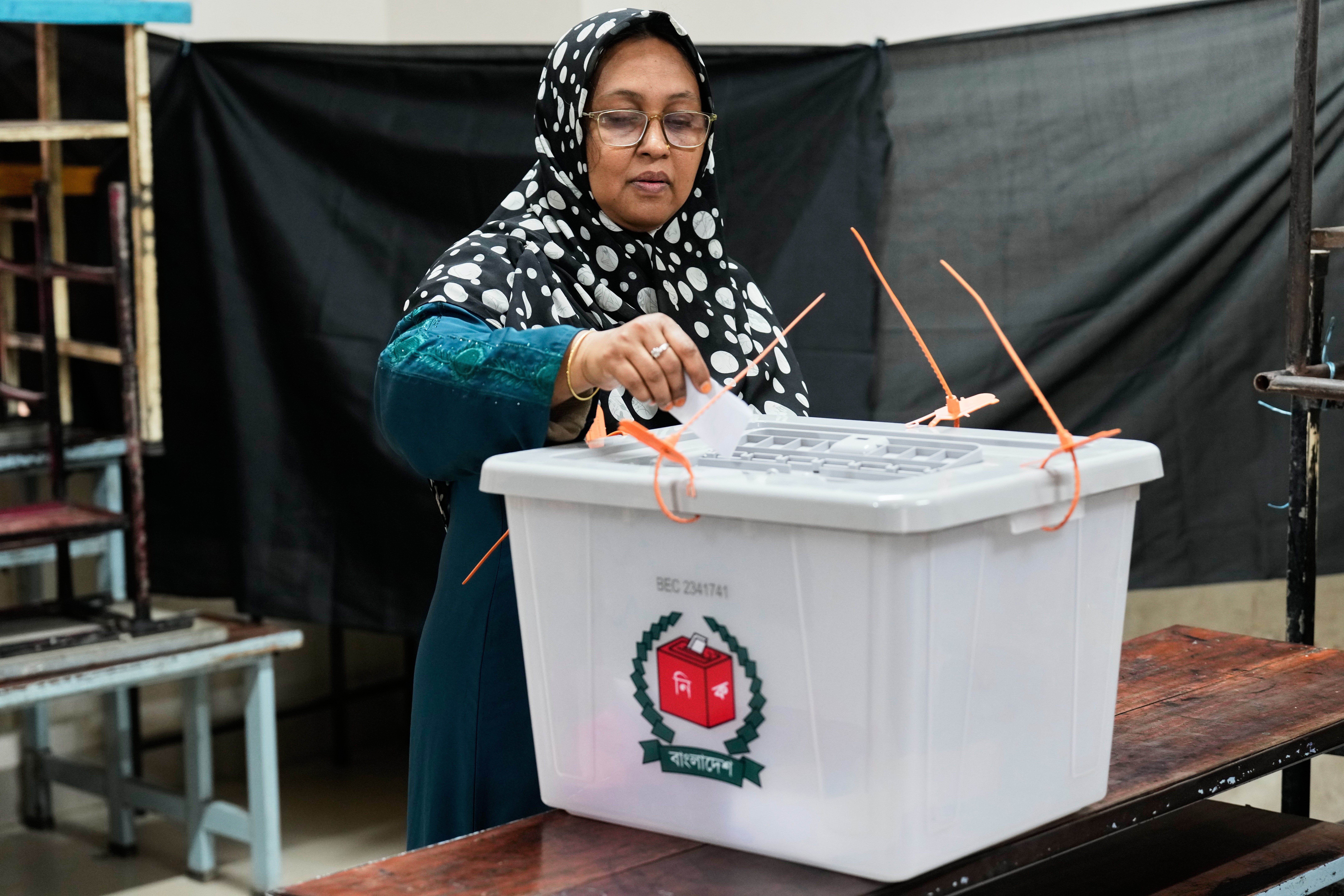
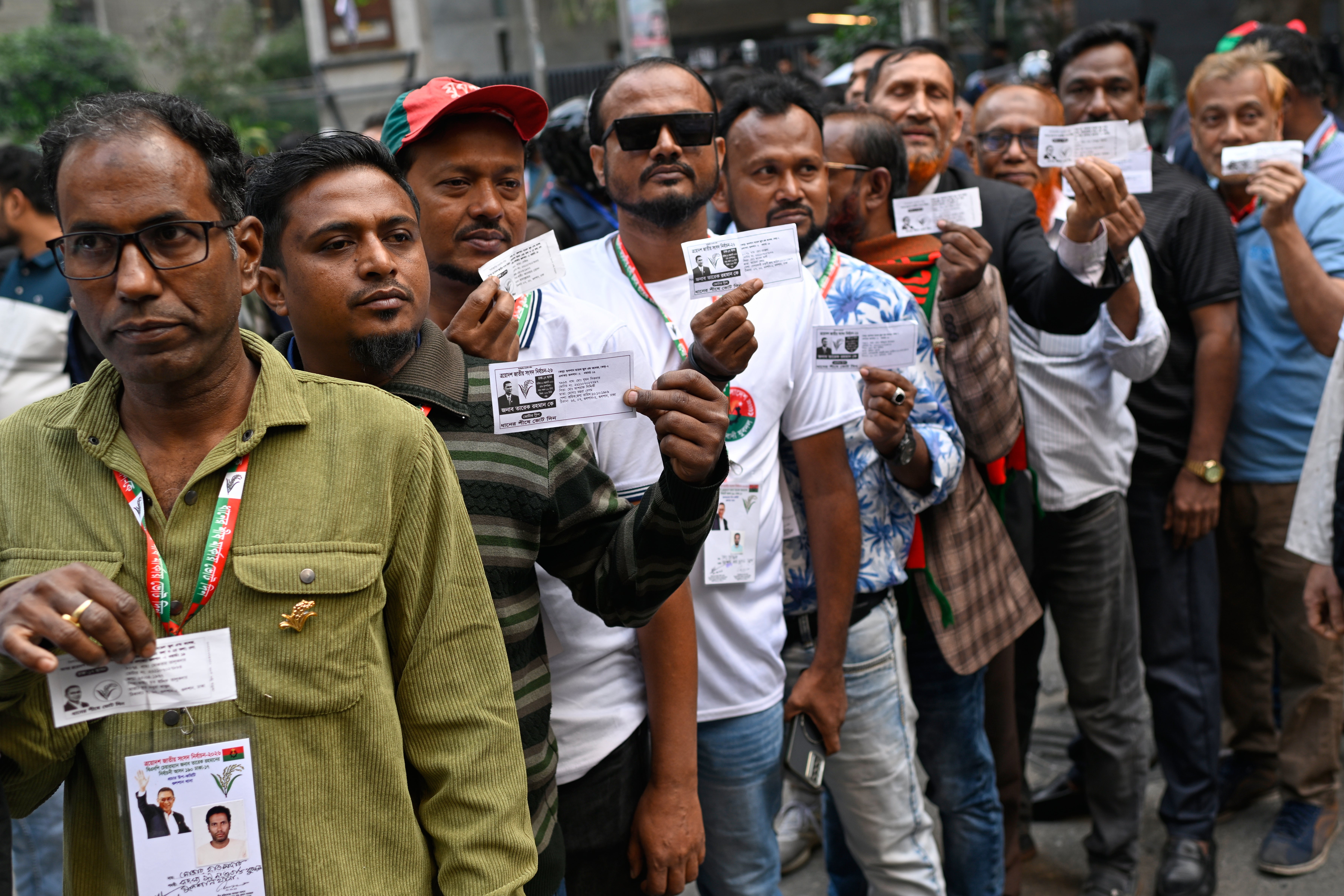
Polls have now closed in the crucial election to decide Bangladesh’s democratic future, with turnout nearing 50 per cent despite calls for a boycott from supporters of the previous ousted regime.
Yet while Bangladesh is one of relatively few countries in the world to have had multiple female leaders, many here are asking why there were not more women on this historic ballot.
The Independent met female voters dressed in their festive best in Dhaka on Thursday as they queued to exercise their democratic rights.
However the the lack of female representation among the current political leaders was seen as a glaring exclusion in a country which has recorded extraordinary gains in women's empowerment in the recent past.
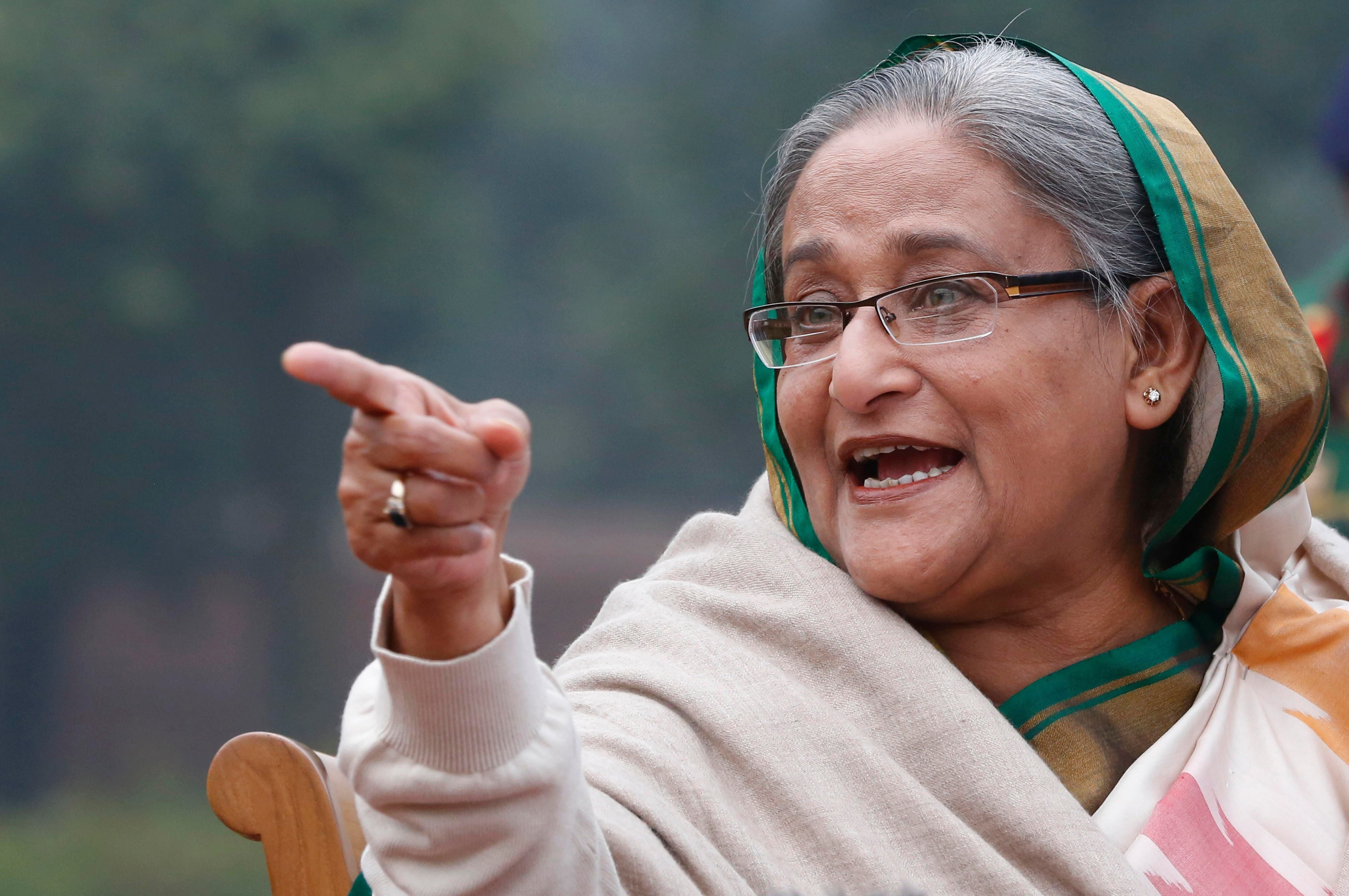
Women, mostly students, played a pivotal part in the July protests of 2024 which led to the ouster of the last permanent Awami League government and forced prime minister Sheikh Hasina to flee. Before her unceremonious exit from Dhaka, she ruled Bangladesh for 15 consecutive years.
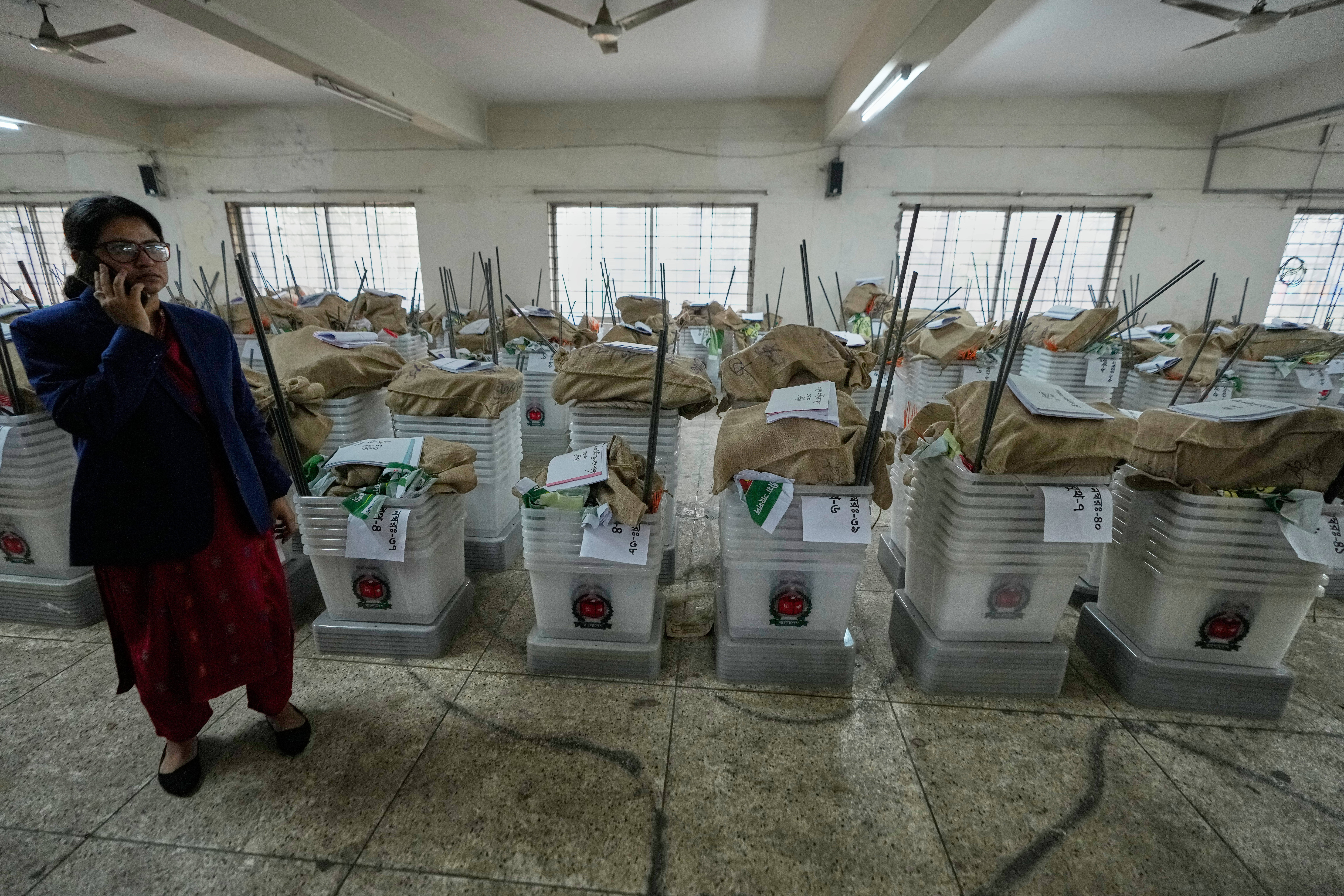
By 2pm on Thursday over 47 per cent of voters had cast their ballots, the Election Commission said. Polls closed at 4.30pm and the counting started right away, with the results expected on Friday.
In Bangladesh’s 13th parliamentary elections, 2,028 candidates are vying for 299 seats, but just 83 of them are women at 4.1 per cent. Of those, 61 have secured party nominations while 20 are running as independents.
About 30 of the 51 parties contesting the polls have not fielded a single woman candidate. With the Awami League banned from politics in Bangladesh, the election is tightly fought between the Bangladeshi Nationalist Party (BNP) and the far-right Jamaat-e-Islami party.
The Jamaat has not fielded a single woman candidate in the election.
“This is absolutely disappointing,” rued Dr Maleka Banu, secretary general of the Bangladesh Mahila Parishad, the country’s largest women's organisation.
“It was very disappointing to see the abysmal number of women candidates. We had pushed for direct elections in the 50 seats reserved for women instead of the government nominating the parliamentarians after the elections,” she told The Independent.
Women’s rights organisations have long pushed for at least one-third representation in parliament. But Dr Banu warned that such low participation risks setting that struggle back even further.
“The women who were involved in the 2024 protests have also disappeared,” she added.
The monumental rise of Jamaat, which was once outlawed by the Hasina administration for its violent history, has alarmed many women, especially after its leaders suggested restricting women’s activities and questioned their ability to work because of their childbearing roles.
Many women fear that a stronger showing by Jamaat could roll back hard-won gains on education, employment and legal protections and embolden efforts to curb women’s autonomy in public life.
The party in recent days have struck a more moderate tone, speaking of equality between men and women. "We treat everyone equally, irrespective of their gender, religion and other identities," said Abu Bakar Mollah, spokesperson for the Jamaat.
He told The Independent: “A lot of statements given by our leader have been misinterpreted and taken out of context. Women are free to choose what they want.”
University student Rahuna Hussain, who was part of 2024 protests, lamented that she had hoped the political transition would open more space for women. But reality suggests otherwise.
“I had hoped that more women would get the opportunity to fight in this election but unfortunately no it was worse than we expected," she told his newspaper.
While Jamaat has gained massive popularity among young men, women has been vocal about their apprehensions about the party's rights because of its conservative politics.
“Women in Bangladesh have fought long for a liberal, secular, inclusive society. This election will take us back years,” said Ruby Yasmin, 22.
Under Sheikh Hasina’s tenure, women’s participation in the workforce became a cornerstone of Bangladesh’s economic rise.
Millions of rural women entered paid employment through the garment industry, which was the country’s largest export earner, while microfinance networks and social welfare programmes expanded financial access for women.
Experts have frequently credited this surge in female labour force participation as a key driver behind Bangladesh’s rapid growth, poverty reduction and improvements in health and development indicators over the past decade and a half.
”The rise of Jamaat and active participation by its women members supporting its conservative rhetoric has created concerns and discussions among the wider public on women’s rights and whether Bangladeshi society is seeing a shift,” Sohela Nazneen, Senior Fellow, Institute of Development Studies, observed.
“How women vote in this election and who they choose will have far-reaching implications for a country that has been lauded for its success on changing women’s condition and improving access to health, education, and participation in the economy."
Tarique Rahman of the BNP has emerged as the frontrunner to form the next government. But BNP’s opposition, an 11-party alliance led by the Jamaat-e-Islami, has shown optimism.
Shafiqur Rahman, chief of Jamaat-e-Islami, said the election “is a turning point”.
After casting his vote, he said: “People demand change. They desire change. We also desire the change.”
Join our commenting forum
Join thought-provoking conversations, follow other Independent readers and see their replies
Comments
Bookmark popover
Removed from bookmarks