Japan’s prime minister Sanae Takaichi: The former heavy metal drummer who sleeps two hours a night
Conservative leader took advantage of strong approval ratings to strengthen her hold over the ruling LDP and reinforce her coalition’s narrow majority
Japan’s ‘Iron Lady’ Sanae Takaichi has won a snap election she called by a historic margin, cementing her dramatic rise to power.
Takaichi’s Liberal Democratic Party (LDP) alone captured 316 of the 465 seats in the lower house of the Diet, Japan’s parliament, making it the party’s strongest performance since its founding in 1955.
In calling the election, the 64 year-old conservative had sought a renewed public mandate for higher spending, tax cuts and a security strategy that would speed up Japan’s military expansion.

Elected Japan’s first woman prime minister in October after a historic parliamentary vote, Takaichi said she was putting her leadership on the line to build support for her economic and defence agendas.
Below we look at all we know about the newly-reelected world leader and her impact on politics in Japan and beyond.

Conservative origins, colourful past times
Takaichi was born in Nara, western Japan, to conservative parents. Her mother was police officer mother and her father worked in the country’s automotive sector.
As a child, she enjoyed listening to her parents recite an 1890 imperial document that praises paternalistic family values and loyalty to the government, Takaichi said in 2012.
Though admitted to prestigious Tokyo schools, her parents made her attend Kobe University while living at home, something that was normal then for unmarried daughters of conservative families.
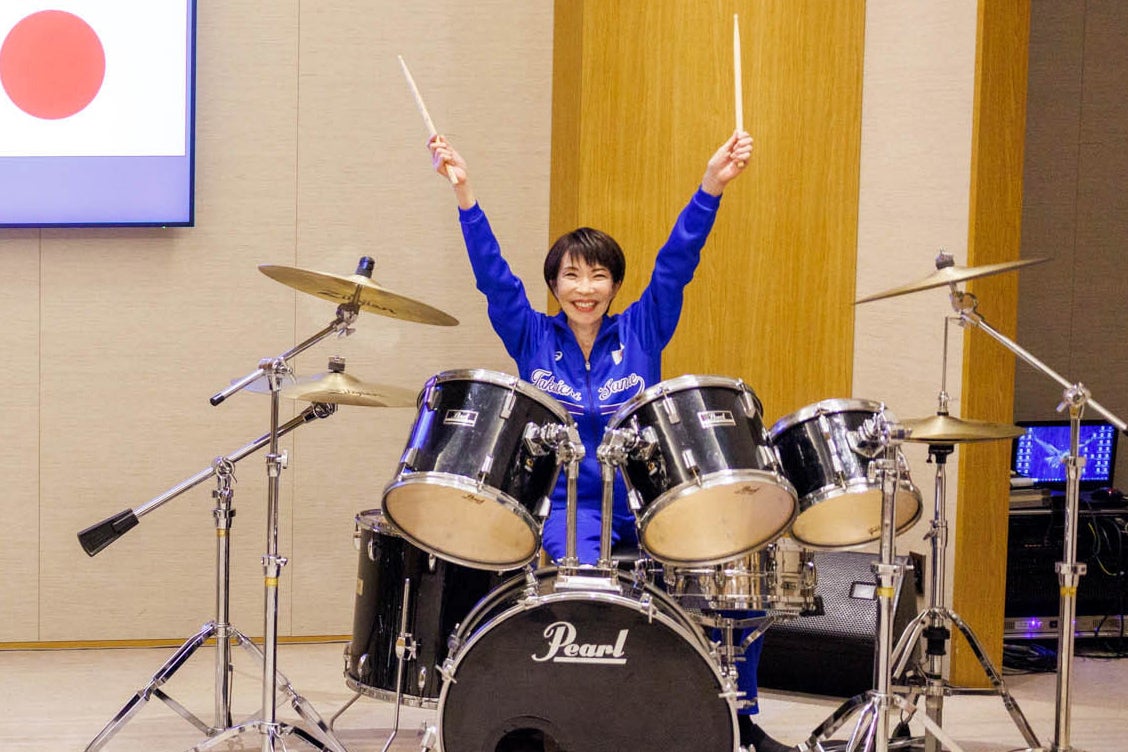
Despite her upbringing, as a student she enjoyed colourful past times including playing in a heavy-metal band as a drummer and riding motorbikes.
After graduating with a degree in business management, she briefly served as a congressional fellow in the US Congress in the 1980s.
Apparently eager to grasp how Japan was seen abroad, she worked in the office of Democrat Patricia Schroeder, known for her sharp criticism of Tokyo.
Upon her return to Japan she worked as a television personality, an author and a critic before entering politics.
Inspired by Margaret Thatcher in a male-dominated landscape
Takaichi was first elected to Parliament in 1993 after defying her parents’ opposition and some voters who branded her “a little girl”. Three years later she joined the LDP.
“In those days, women who were not considered old enough were unwelcome,” she said in 2023. She also faced groundless allegations of being a mistress of a senior politician, and criticism — often from women — for wearing heels, flashy jewelry and short skirts.
She has won 10 parliamentary elections since and carved out a reputation as one of the party’s most vocal conservative figures.
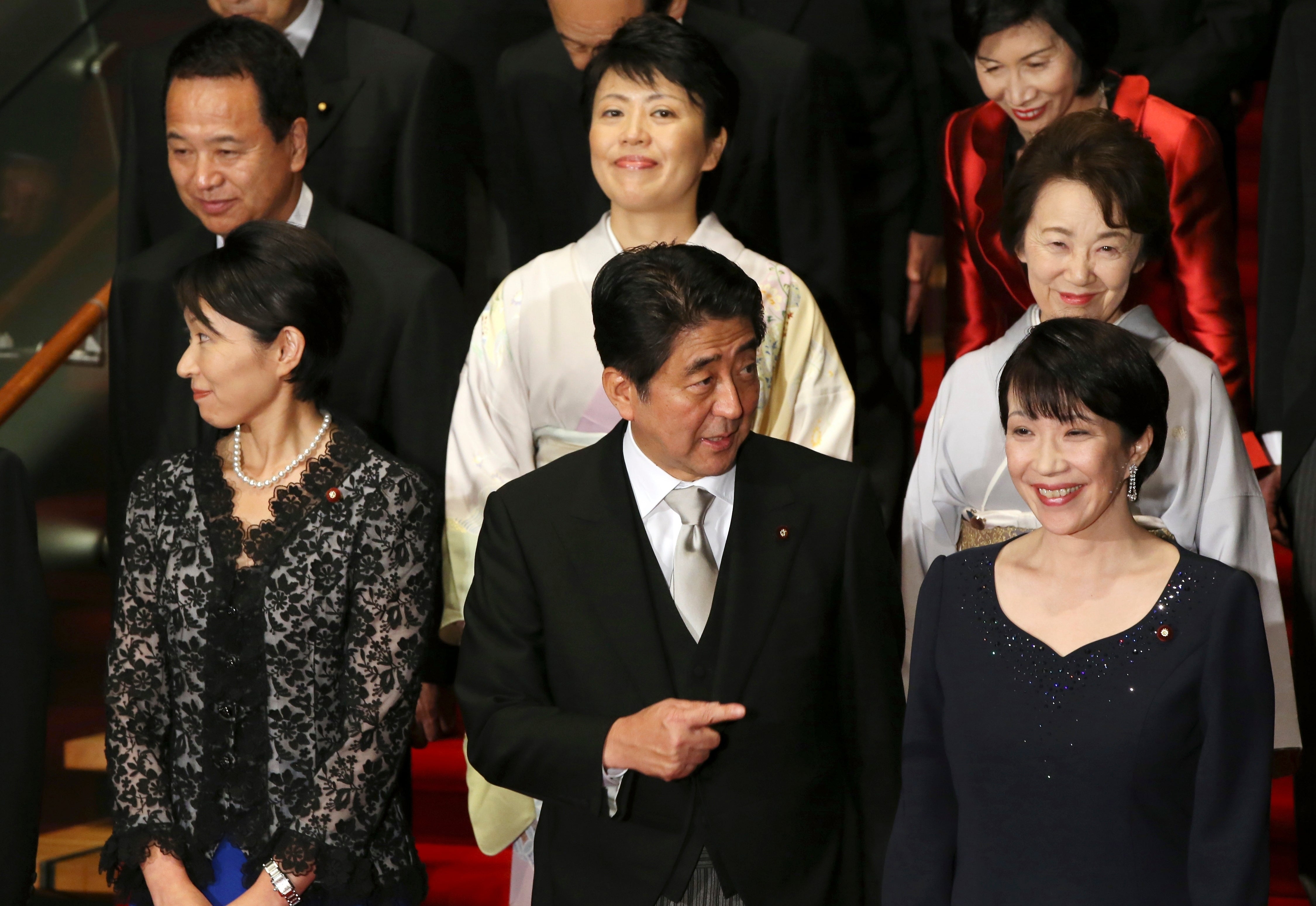
A former economic security and interior minister, Takaichi cites Margaret Thatcher as a source of inspiration.
She refers to the former British prime minister - whom she met shortly before her death in 2013 - as a political hero, citing her strong character and convictions coupled with her “womanly warmth”.
“My goal is to become the Iron Lady,” she told a group of children during her election campaign.
War revisionism and opposing gay marriage
A protege of former prime minister Shinzo Abe, Takaichi has echoed his nationalistic views, defending Japanese wartime actions and pushing for greater military spending. She also supports more patriotic education, and the promotion of traditional family values.
Takaichi is a regular visitor to the Yasukuni shrine, which honours Japan’s war dead, including some executed war criminals, and is viewed by some Asian neighbours as a symbol of its past militarism.
She called for a hardline stance towards China after the neighbouring country marked the 80th anniversary of Japan’s defeat and the end of the World War with its grandest military parade this past summer.
She previously pledged to form a cabinet with gender parity, marking a shift from the outgoing premier’s ministry, which included just two women. But surveys suggest her conservative views resonate more strongly with men than with women.
Takaichi remains opposed to same-sex marriage and to revising a 19th century policy which could allow married couples to use separate surnames. She also backs male-only imperial succession.
Two hours sleep and 3am meetings
Early on in her first tenure as prime minister, she revealed she typically sleeps for just two hours each night and asks aides to meet at 3am - sparking fresh concern among a population which was already voicing its opposition to overworking and high levels of burnout.
Takaichi made the admission following public backlash when she summoned aides to a meeting in the early hours in Tokyo, hours before an appearance before parliament.
She drew criticism for the meeting, referred to by the Japanese media as the “3am study session”, which came just six hours before a budget committee hearing was due to start.
Scandal-struck Japan lurches to the Right
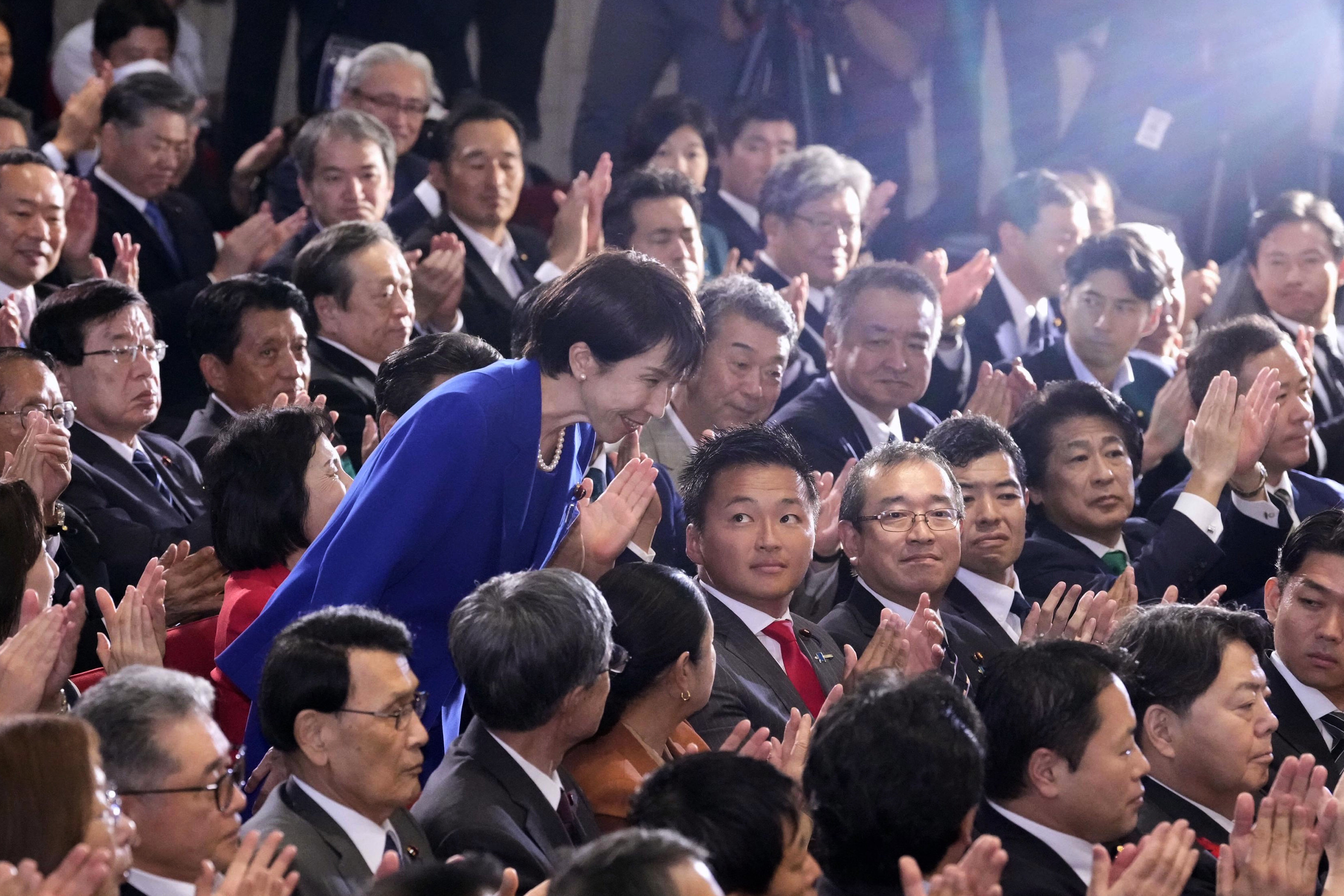
When she assumed office last year, Takaichi was faced with the mammoth task of winning back trust from a public angered by rising prices and corruption scandals and drawn to opposition groups promising big stimulus packages and clampdowns on foreigners.
She was also called to shoulder the responsibility of steering a fractured party marred by scandal while navigating a nation grappling with demographic decline.
Takaichi has pledged to suspend an eight per cent consumption tax on food for two years and argued her spending proposals would generate employment, boost household consumption and ultimately raise tax receipts elsewhere.
The campaign focussed on living costs, which surveys show are the main concern of the voters.
In a poll published by state broadcaster NHK, 45 per cent of the respondents named rising prices as their biggest worry, compared with 16 per cent who cited diplomacy and national security.
Join our commenting forum
Join thought-provoking conversations, follow other Independent readers and see their replies
Comments
Bookmark popover
Removed from bookmarks