Japan to test deep-sea rare-earth mining as China export curbs spark supply concerns
Tokyo set to make world’s first attempt to continuously lift rare-earth-rich mud from a depth of around 6,000m
Japan will start testing the possibility of mining the deep seabed for rare-earth elements as concerns grow over access to critical minerals amid rising tensions with China.
The trial will run from 11 January to 14 February in waters around Minamitori Island, about 1,900km southeast of Tokyo. It will involve retrieving rare-earth-rich mud from a depth of around 6,000m, marking the world’s first attempt to continuously lift such material from the deep ocean.
The government-backed project aims to test equipment capable of lifting up to 350 tonnes of sediment a day, while also monitoring environmental impacts both on the seabed and aboard the extraction vessel. If successful, Japan plans a larger trial next year, Reuters reported.
According to the Straits Times, the test will be done using the research vessel Chikyu, which is expected to depart from central Japan on January 11. The newspaper noted that Japan was exploring future joint development with the US in the waters around Minamitori as part of an effort to build more secure supply chains for rare earths and other critical minerals.
The move comes as China is signalling that it may tighten controls on exports of rare earths to Japan. Earlier this week, Beijing announced a ban on the export of so-called “dual-use” items with potential military applications, a category that analysts argued could be extended to include certain rare earths.
China dominates the global rare-earth supply chain, accounting for nearly 70 per cent of production and over 90 per cent of refining, according to estimates by the Japanese government.
While Japan has spent more than a decade diversifying its supply chains, it still relies on China for about 60 per cent of its rare-earth imports, and remains almost entirely dependent on Beijing for some heavy rare earths used in electric vehicle motors and defence technologies.
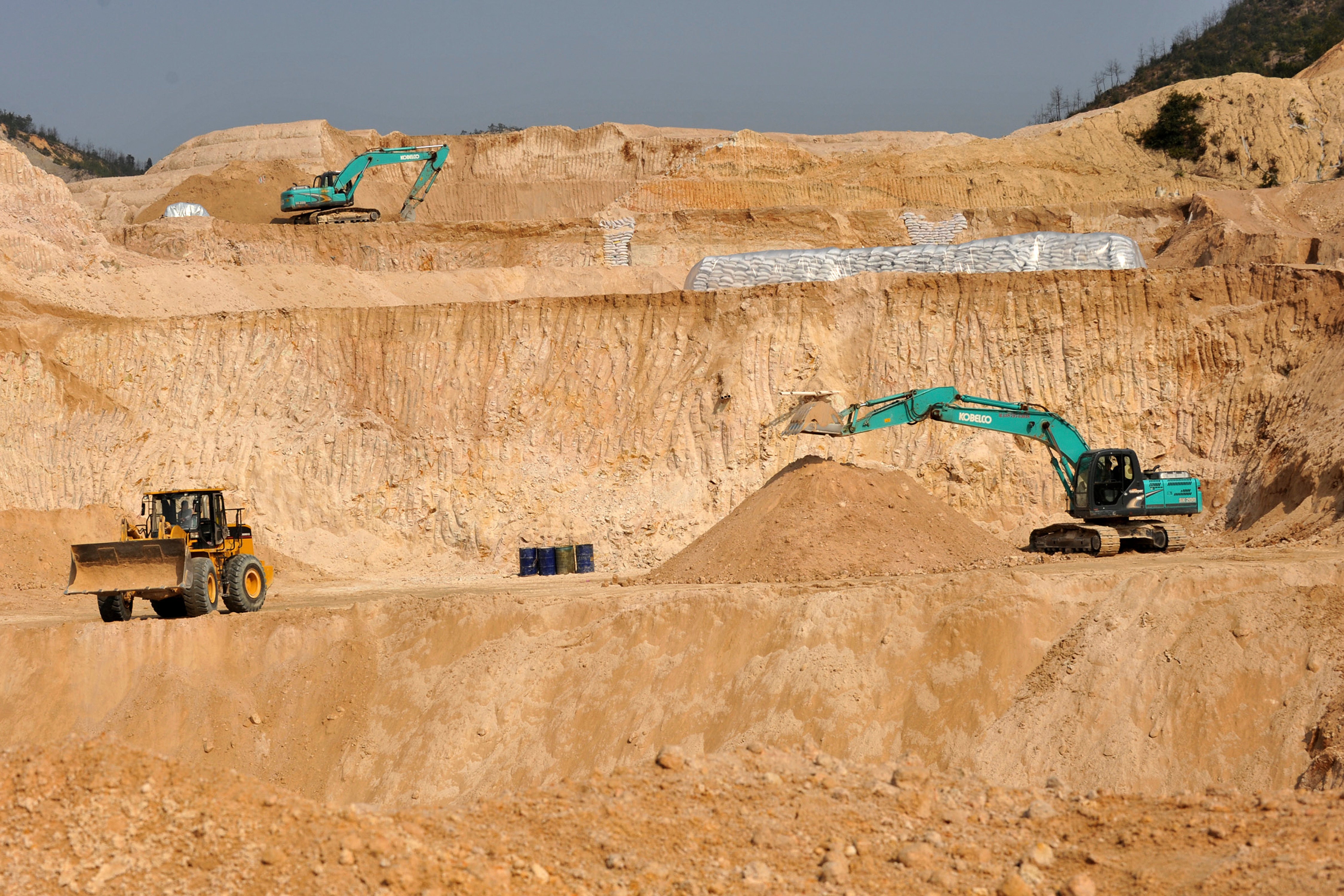
Concerns are heightened by memories of 2010, when China quietly halted rare-earth exports to Japan during a territorial dispute, disrupting manufacturing and prompting Tokyo to reassess its vulnerability.
A repeat of such restrictions would carry heavy economic costs. A three-month disruption could cost Japanese businesses more than $4bn, while a year-long halt could shave nearly 0.5 per cent off the Asian country’s annual GDP, according to government estimates.
Japanese officials said an advantage of the deposits near Minamitori was the absence of radioactive materials commonly associated with land-based rare-earth mining, like thorium and uranium.
Research done earlier by the University of Tokyo and the Nippon Foundation identified over 200 million tonnes of manganese nodules in the Pacific Ocean.

Environmental groups and marine scientists, however, warn that deep-sea mining may cause long-lasting damage to poorly understood ecosystems.
The controversial practice involves heavy machinery scooping up valuable mineral-rich deposits – or polymetallic nodules – from seabed more than 200m deep.
A report last month noted that the population of seafloor animals decreased by 37 per cent in a deep-sea mining exploration zone.
At the UN Ocean Conference in Nice, France, many countries, researchers and civil society groups urged a precautionary pause or moratorium on deep-sea mining. But several countries are exploring the possibility of mining the seabed.
Tokyo is framing its project as part of an effort to strengthen economic and maritime security amid intensifying competition over critical minerals needed for clean energy technologies, electronics and military hardware.
Join our commenting forum
Join thought-provoking conversations, follow other Independent readers and see their replies
Comments
Bookmark popover
Removed from bookmarks