People are stealing copper roof plates from Japan’s Shinto shrines as value of metal soars
Even remote sacred sites being hit repeatedly, forcing them to replace traditional copper with cheaper materials
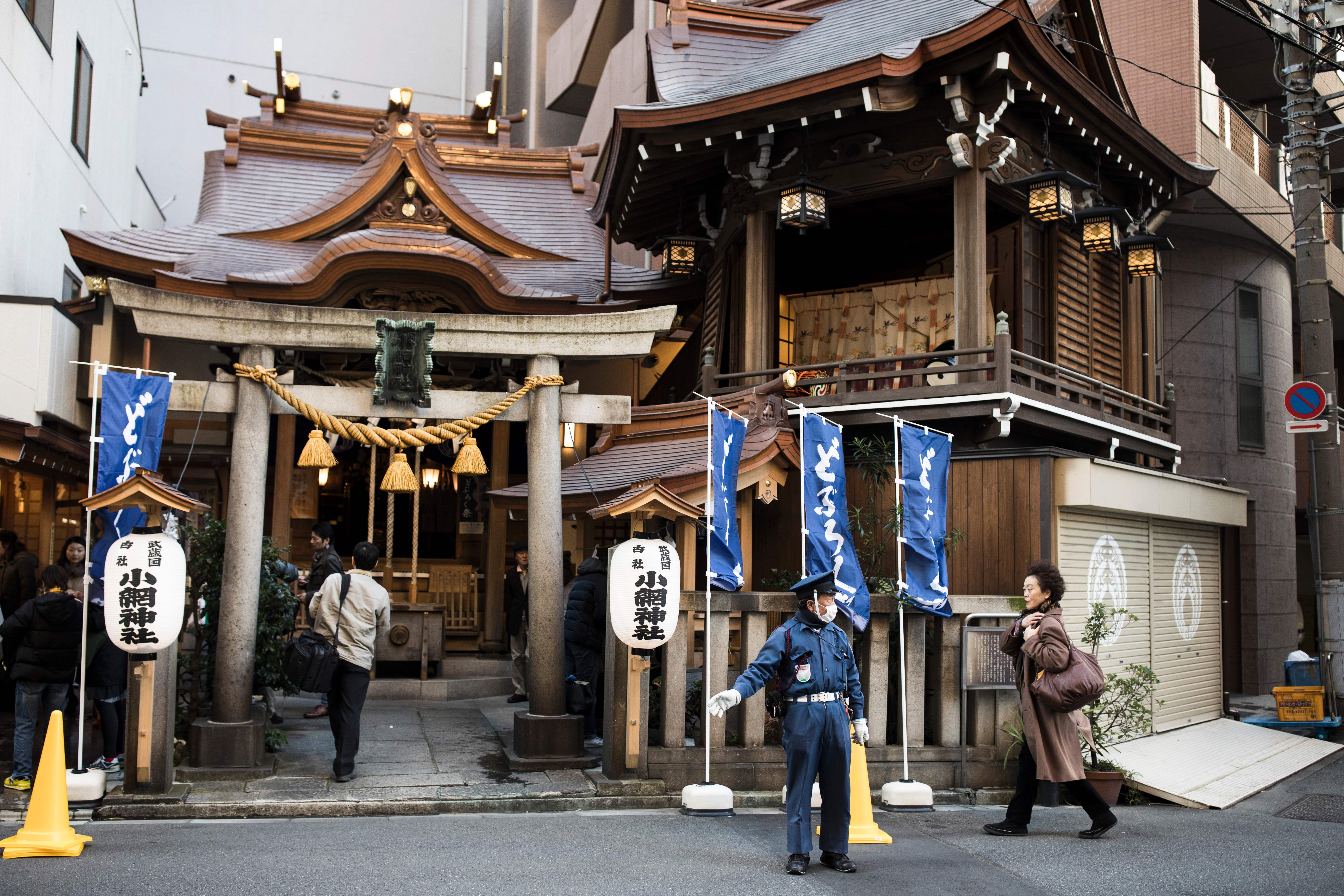
Rising copper prices in Japan are reportedly fuelling a surge in thefts targeting the nation’s sacred Shinto shrines whose metal roof plates are being stolen and resold.
Even remote sites are being hit repeatedly, forcing some shrines to replace traditional copper with cheaper materials. One shrine in Kanagawa was targeted three times, costing volunteers money and leaving its roof patch-worked with different materials, according to reports.
This is not a new phenomenon in Japan. Copper roof plate thefts from the Shinto shrines have been occurring in recent years as the price of the metal has been rising. These shrines are places of worship and the dwellings of the “kami” – the Shinto gods.
According to the National Police Agency, reported metal theft incidents have skyrocketed from 5,478 in 2020 to 20,701 in 2024 – nearly a fourfold increase.
“We are calling on shrines across the country to be vigilant,” a representative of Jinja Honcho, an association of Shinto shrines, was quoted as saying by The Asahi Shimbun recently.
“It is an act that tramples on the hearts of people who worship and care for deities.”
Ashikaga city in Tochigi Prefecture, which is home to the Nagusa rocks, a site officially designated by the government as a natural monument, has gained attention among fans of Demon Slayer as one of the rocks resembles a boulder featured in the hit anime.
In October 2024, thieves stole around 1,630 copper roof plates from Nagusa Itsukushimajinja shrine, which stands within the protected grounds.
According to the association of Shinto shrines (the Jinja Honcho), copper plates are lightweight and easy to work with, and they develop a distinctive patina over time.
Shrines linked to Jinja Honcho must get approval before altering their buildings. The representative told The Asahi Shimbun: “It very much goes against our principles to change traditional shrine architecture due to theft, but we will have no choice but to allow the use of other materials to repair the roof.”
The thefts are part of a broader rise in metal-related crime across Japan, fuelled by high copper prices and high demand for scrap metal.
Last year in December, Japanese police arrested an unemployed 31-year-old man in Ibaraki who allegedly confessed to 248 copper-wire thefts from solar farms in Ibaraki and Chiba.
Authorities at the time said that the man was part of a group that targeted remote renewable-energy sites at night, sold the stolen metal to scrap dealers, and used the proceeds for living expenses and drugs.
Last year, Japan’s cabinet approved a bill to crack down on the surge in copper and metal theft by tightening rules on scrap dealers and closing loopholes that allow stolen cables to be sold. If passed, a Jiji Press report said last year, buyers of copper scrap would need government registration, verify sellers’ identities, keep transaction records and report suspicious sales, with penalties for violations.
In 2024, a Mainichi report said that a growing number of copper thefts had been reported in western Japan’s Yamaguchi prefecture, with cables stolen from railway lines and bridge nameplates going missing.
The outlet said that metal thefts have reportedly stayed high since the 2008 Beijing Olympics, when soaring prices triggered a spike in crimes by people trying to resell stolen materials.
In 2007, Reuters reported that a wave of metal thefts linked to rising copper prices had swept across Japan, and items ranging from children’s playground slides to cemetery incense burners and the roof of a public toilet were stolen.
Solar power sites have increasingly become prime targets for thieves. In 2024, authorities recorded 7,054 cable theft cases at such facilities – especially in Ibaraki and other northern Kanto prefectures – making up 34.7 per cent of all metal theft incidents.
The impact has also spread beyond renewable energy sites. In July 2024, about 170m of copper cable were stolen from a poultry farm in Gunma prefecture, knocking out air-conditioning systems and leading to the deaths of tens of thousands of chickens.
Join our commenting forum
Join thought-provoking conversations, follow other Independent readers and see their replies
Comments
Bookmark popover
Removed from bookmarks