Japan to double number of years foreigners must live in the country before attaining citizenship
Proposed immigration rules would make approval of citizenship applications contingent on ‘good conduct’ and up to officials’ discretion
Japan is doubling the residency period needed for obtaining citizenship to 10 years and adding a language requirement as part of a broad political push for stricter oversight of foreigners.
The overhaul of immigration rules, which may take effect as soon as next year, comes after the Nippon Ishin party, a partner in the ruling coalition, branded the existing standards too lenient, prompting prime minister Sanae Takaichi to order a formal review.
According to a proposal outlined during a meeting of Takaichi’s Liberal Democratic Party on 4 December, approval of citizenship would depend not just on the length of residence, but also on “good conduct” and the applicant’s ability to sustain a stable livelihood through personal or spousal income or skills, with broad discretion left to authorities in making the final determination, Japan’s Mainichi newspaper reported.
Nippon Ishin had submitted a proposal to the justice ministry on 17 September urging it to adopt tougher measures that would cap the number of foreign residents and establish conditions under which naturalised citizens could have their nationality revoked.
The ultra-right Sanseito party went further, declaring it would bar kikajin – naturalised Japanese – from standing as legislative candidates under its banner, while accusing the government of placing foreigners ahead of the ethnic Japanese population.
The government intends to allow exemptions to the proposed rules, enabling some applicants, such as athletes who have competed in Japan for several years, to get citizenship even if they fall short of the 10-year residency rule.
The Japanese government received 12,248 citizenship applications in 2024, of which 8,863 were approved during the year, according to data from the justice ministry.
The government is also considering making Japanese language proficiency and civic education mandatory for permanent residency applicants, according to local media.
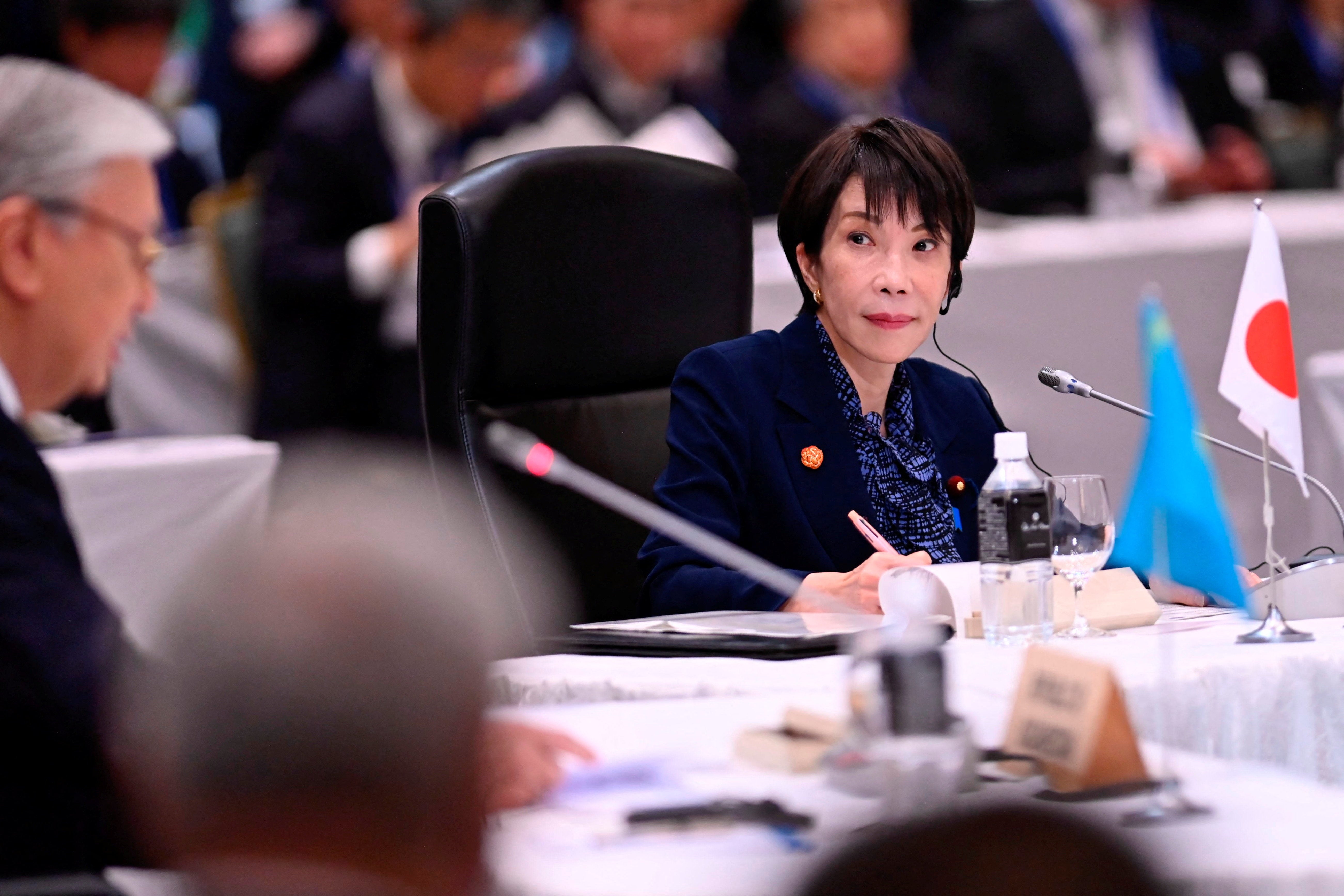
The proposed rules have reportedly sparked intense online debate in the country.
While supporters see them as reasonable for long-term residents, critics argue that Ms Takaichi’s conservative government is creating new obstacles to immigration just when Japan faces acute labour shortages.
The Asahi Shimbun reported, quoting government sources, that the plan aimed to equip foreign residents with “fundamental societal knowledge, primarily language skills”.
According to the newspaper, the proposed scheme – tentatively called the “social inclusion programme” – was intended to alleviate misunderstandings and friction between foreigners and local communities while helping “curb rising xenophobia”.
The initiative would include support measures for children with limited Japanese proficiency before they were enrolled in local schools.
In 2015, Japan had roughly 2.23 million foreign residents. By June 2025, the number had climbed to some 3.95 million, meaning foreigners made up about 3 per cent of its population. Nearly 930,000 of these foreigners had become permanent residents in the country.
Join our commenting forum
Join thought-provoking conversations, follow other Independent readers and see their replies
Comments
Bookmark popover
Removed from bookmarks