Main suspect in India’s ‘house of horrors’ serial killings case to be freed as top court overturns conviction
Ruling ends nearly two decades of trials in one of India’s most gruesome serial murders
The Supreme Court of India has overturned the last remaining conviction in the gruesome Nithari serial killings case, ordering the release of main suspect Surendra Koli.
The ruling brings to a close one of India’s longest and most gruesome criminal sagas and marks a rare instance of the apex court reversing its own final judgment through its extraordinary curative powers, while the case remains unresolved.
A bench comprising Chief Justice BR Gavai and Justices Surya Kant and Vikram Nath allowed Mr Koli’s curative petition, a rare legal remedy invoked only when the court’s earlier judgment is alleged to have caused grave injustice.
The court said maintaining his conviction in a single case would be anomalous and unjust after he had already been cleared in 12 other related cases arising from the same evidence, reported the Hindustan Times.
“The petitioner be released forthwith, if not wanted in any other case. The jail superintendent is to be informed of this judgment immediately,” Justice Nath said while pronouncing the verdict.
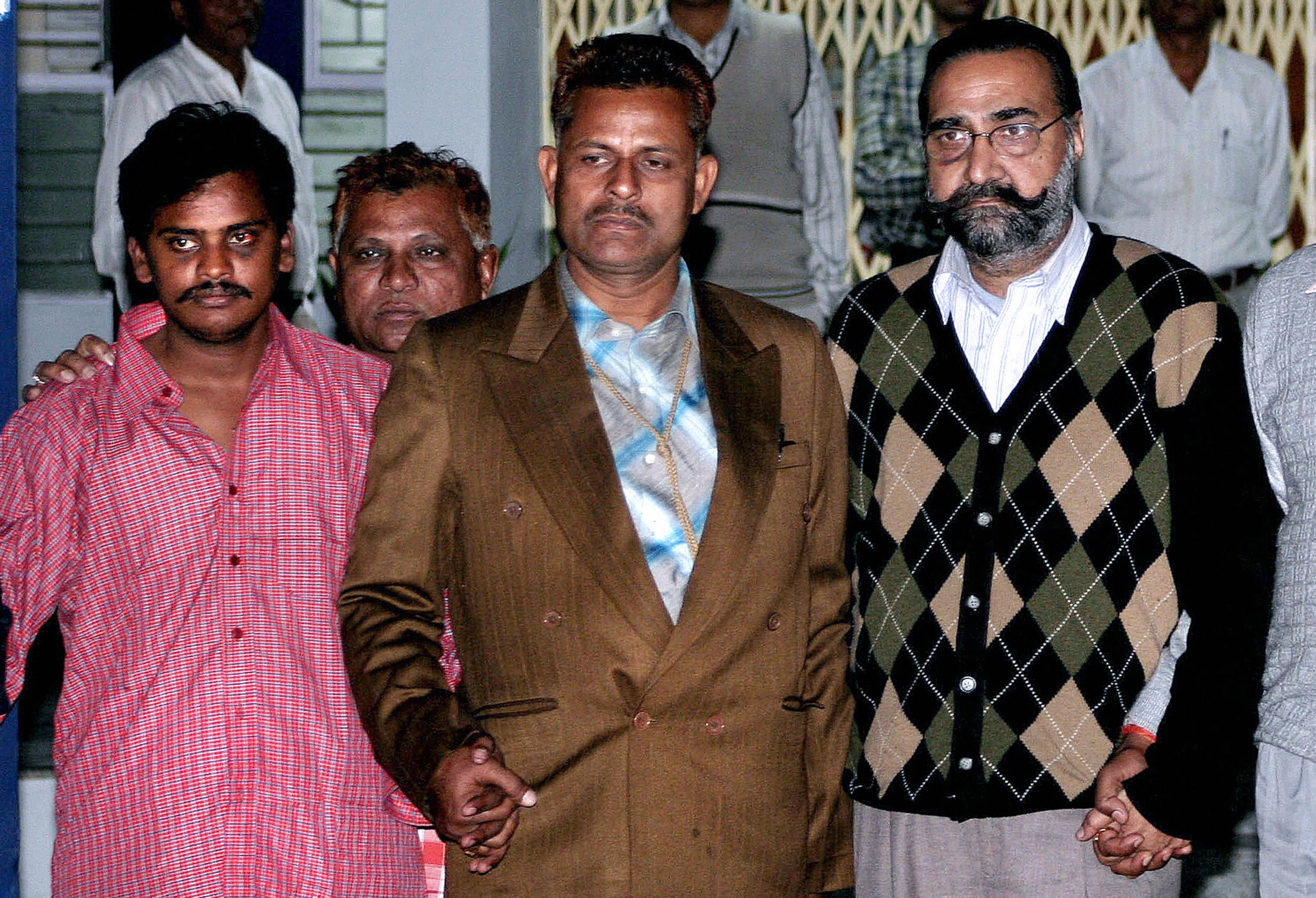
Mr Koli’s case stems from one of India’s most disturbing criminal investigations, which came to light in December 2006 after human remains of children and young women were discovered near a house in Nithari, a village in capital Delhi’s suburb of Noida.
The property belonged to businessman Moninder Singh Pandher, at whose residence Mr Koli worked as a domestic aide.
Subsequent searches revealed 19 skeletons and other remains, triggering nationwide outrage.
India’s federal probe agency, the Central Bureau of Investigation (CBI) alleged that Mr Koli lured children and young women from poor neighbourhoods, sexually assaulted and murdered them, and, in some cases, engaged in acts of cannibalism. Mr Pandher was accused of complicity in some of the crimes and of trafficking offences under Indian laws.
Between 2007 and 2009, trial courts convicted Mr Koli in 13 cases and sentenced him to death. Mr Pandher was convicted in two cases.
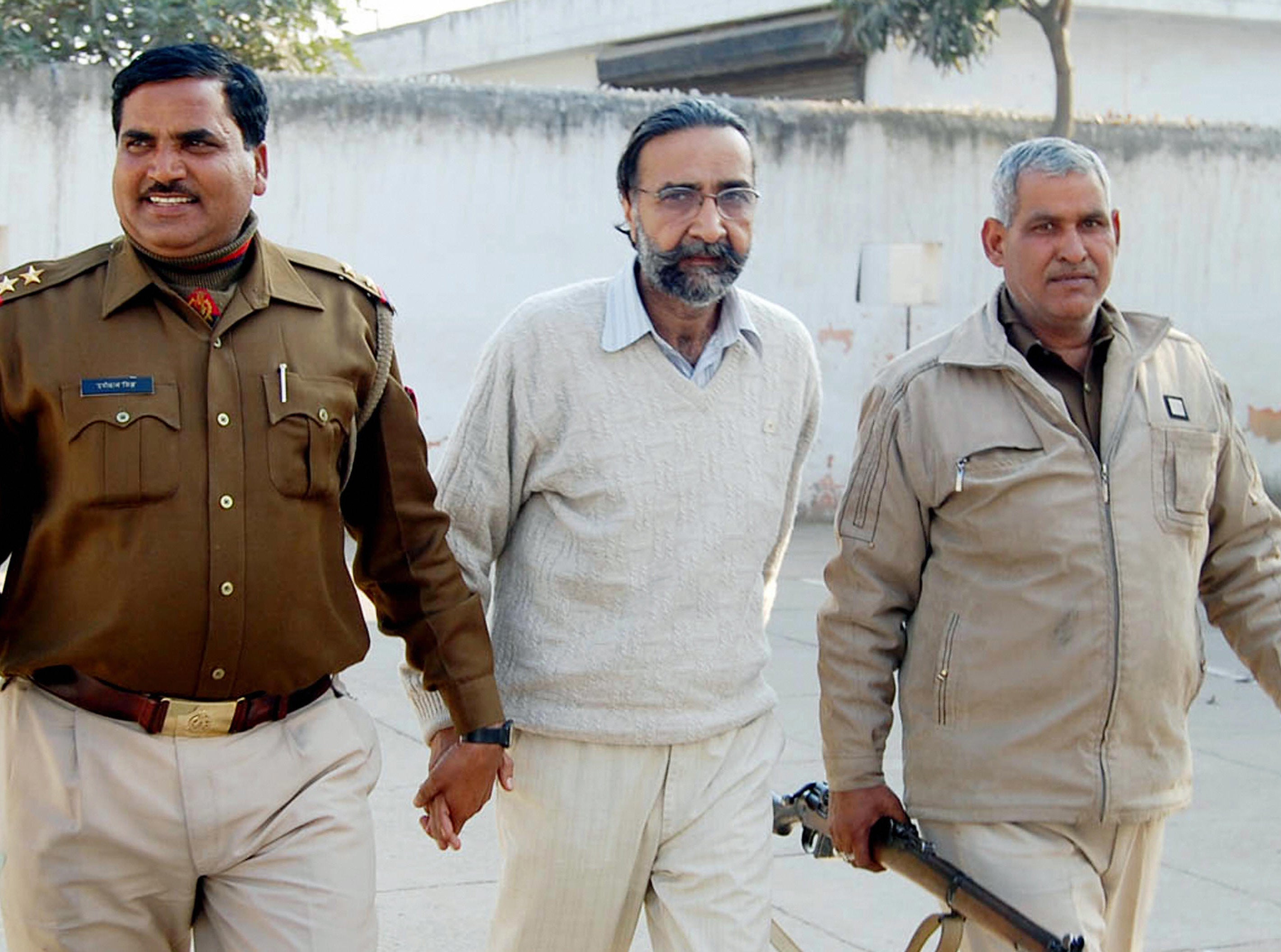
The Allahabad High Court, however, overturned all those convictions in October 2023, citing unreliable witness statements, procedural lapses, and questionable recoveries unsupported by valid disclosure statements under India’s Evidence Act – a provision that governs when police recoveries can be admitted as evidence.
The CBI and victims’ families appealed to the Supreme Court, but in July 2024 the top court dismissed all 14 appeals, upholding the High Court’s findings that the prosecution had failed to establish guilt beyond a reasonable doubt.
Mr Koli nevertheless remained imprisoned because one conviction – for the rape and murder of a 15-year-old girl – still stood. That verdict, delivered by a trial court and upheld by the Supreme Court in 2011, had been commuted to life imprisonment by the High Court in 2015 due to delays in the government’s decision on his mercy petition.
While hearing his curative plea in October, the Supreme Court noted that the conviction in that last case rested only on a confession and the recovery of a kitchen knife – the same evidence already dismissed in other cases. The bench observed that continuing to uphold the verdict would result in a “travesty of justice.”
Join our commenting forum
Join thought-provoking conversations, follow other Independent readers and see their replies
Comments
Bookmark popover
Removed from bookmarks