Why India is asking its super-fast delivery services to slow down
Quick-commerce companies start removing ‘10-minute delivery’ promises after labour ministry raises worker safety concerns
India’s leading quick-commerce companies have begun removing “10-minute delivery” promises from apps and advertising after the government reportedly raised concerns that such claims were risking the safety of delivery workers.
The move followed closed-door discussions between the Indian labour ministry and executives of companies such as Blinkit, Swiggy, Zepto, and Flipkart. The talks, in turn, were prompted by last month’s nationwide strikes by delivery drivers against unsafe working conditions and low pay.
Indian media reported, citing unnamed sources, that the ministry urged the companies to stop promoting tight delivery deadlines that could encourage risky behaviour on the road. The government, however, did not announce any penalties for non-compliance.
Blinkit, owned by Eternal, has already changed its public messaging, replacing the tagline promising 10-minute delivery with one focussing on the range of available products.
Swiggy and Zepto too have dropped similar claims while Walmart-owned Flipkart has removed the fast-delivery language from its grocery platform, according to Reuters.
Labour minister Mansukh Mandaviya reportedly told the executives that the promises compromised “workplace safety”, a person familiar with the meeting told the Financial Times.
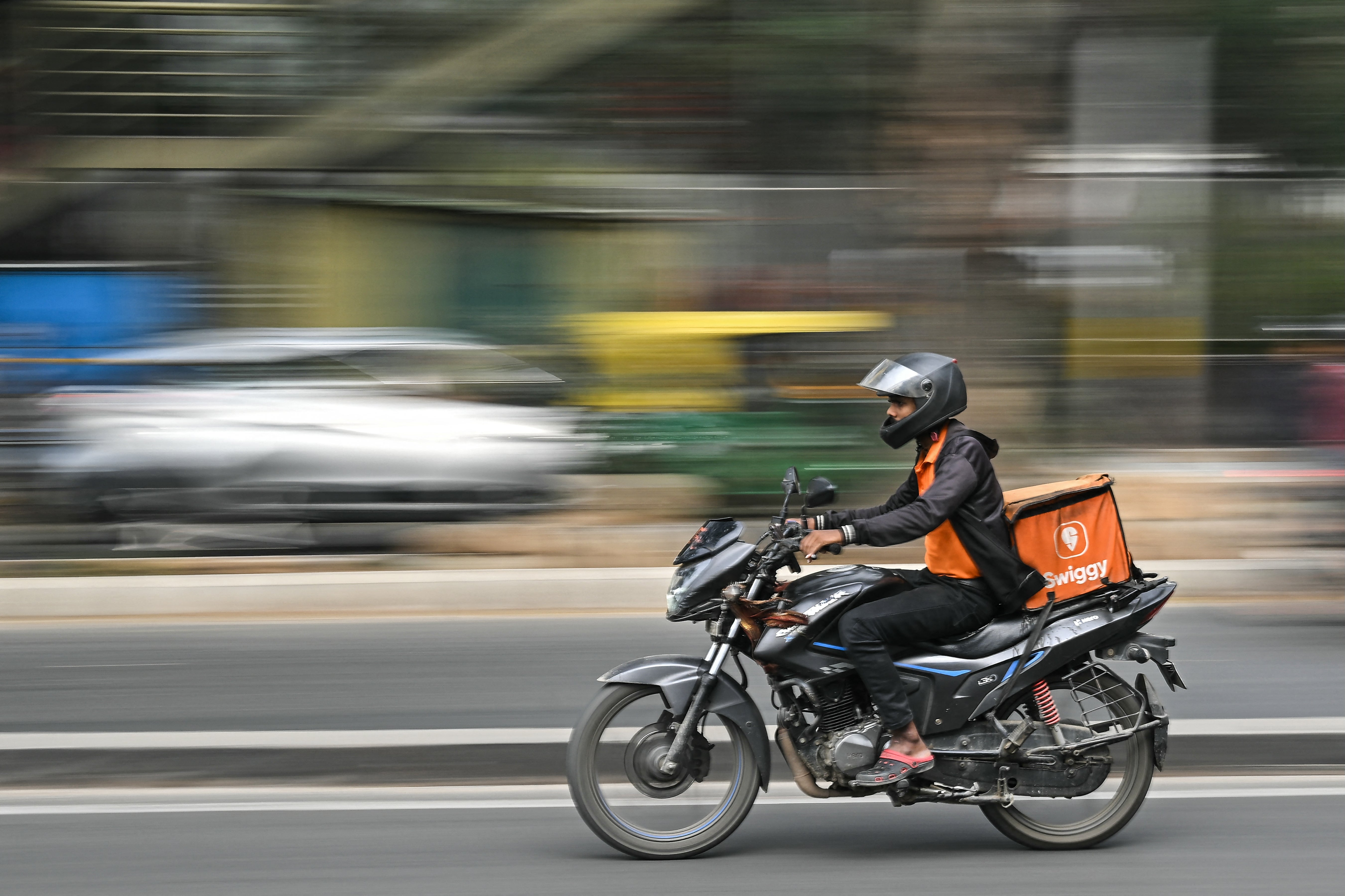
While the companies argued that the claims were largely marketing tools, they agreed to remove them from advertisements and app displays.
“This is a significant and much-needed step in protecting the lives and dignity of gig and platform workers,” Shaik Salauddin, national general secretary of the Indian Federation of App-Based Transport Workers, said.
He said the 10-minute delivery model had led to “dangerous road behaviour, extreme stress and unsafe working conditions”.
India’s quick-commerce sector grew rapidly after the Covid pandemic, with companies relying on small neighbourhood warehouses, known as dark stores, to deliver groceries and household items within minutes. The industry is now valued at about $11.5bn and employs millions of workers.
As competition increased, companies promised faster deliveries to attract customers, raising concerns about the pressure placed on riders.
Last month, thousands of delivery workers went on strike, demanding safer conditions, fair pay and social security benefits.
“I was part of the nationwide strike. There have been umpteen times I was humiliated by customers for just a five-minute delay in delivery. I even had a minor accident because I was caught up and kept getting calls from the customer while I was driving,” an unnamed rider told NDTV.
“I was too scared they would complain. It’s a big thing that the government has acknowledged our concerns, intervened, and brought relief for the gig workers who are serving the public but remain so invisibilised.”
Mobin Alam, a 23-year-old rider, told the BBC that missing a deadline could result in penalties or fewer orders.
“I have no choice. I have to work extra hours to support my family,” he said, adding that despite working more than 12 hours a day, he earned barely Rs20,000 (£165) a month.
Experts say gig work is the main source of income for most delivery riders.
“For most of workers, gig work is not a side hustle,” Vandana Vasudevan, author of “OTP Please! Online Buyers, Sellers and Gig Workers”, said. “It is their primary source of income.”
She added that while riders were classified as independent contractors, “they are deeply dependent on the platform’s algorithms to earn a living”.
The companies maintain that fast deliveries are driven by logistics planning rather than pressure on workers.
Eternal chief executive Deepinder Goyal defended the model in a social media post.
“After you place your order on Blinkit, it is picked and packed within 2.5 minutes. And then the rider drives an average of under 2km in about 8 minutes. That’s an average of 15 kmph,” he wrote. “If I were outside the system, I would also believe that gig workers are being exploited, but that’s not true.”
Despite the removal of the branding, fast deliveries are likely to continue. Reuters reported that in some areas, apps were still showing delivery times of less than 10 minutes.
Analyst Karan Taurani of Elara Capital said the change was “optics-driven rather than business-altering”.
“The proposition of quick commerce continues to be anchored in speed, convenience, and proximity-led fulfilment, which remains structurally superior to horizontal e-commerce timelines,” Mr Taurani said, according to The Hindu.
Some delivery workers welcomed the move, saying it could reduce pressure during traffic delays. Others were sceptical. An unidentified Blinkit rider told India Today: “The words may have changed, but the task and expectations are still the same.”
Eternal declined to give a statement when contacted by The Independent, while Zepto and Swiggy were yet to respond to a request for comment.
Join our commenting forum
Join thought-provoking conversations, follow other Independent readers and see their replies
Comments
Bookmark popover
Removed from bookmarks