South Korea legalises tattooing by non-medical professionals after three decades of ban
Parliament votes overwhelmingly to regulate an industry long forced underground despite booming popularity
South Korea has passed landmark legislation to legalise tattooing by non-medical professionals, ending more than 30 years of prohibition that had forced thousands of artists to work in the shadows.
The National Assembly approved the so-called Tattooist Act on Thursday, with 195 lawmakers voting in favour and seven abstaining out of 202 present. The law will come into force two years after promulgation, with a further two-year transitional period allowing for provisional registrations and other measures for current practitioners.
Tattooing had been treated as a medical procedure since a 1992 Supreme Court ruling classified it under the Medical Services Act, meaning only licensed doctors were permitted to perform tattoos.
Those without medical training who practised the craft risked fines of up to ₩50m (£29,500) or prison sentences.
Although tattoos were not illegal, the restriction effectively criminalised artists, leaving them without legal protection while their work grew increasingly visible in popular culture, from K-pop stars to ordinary citizens in Seoul and other cities.
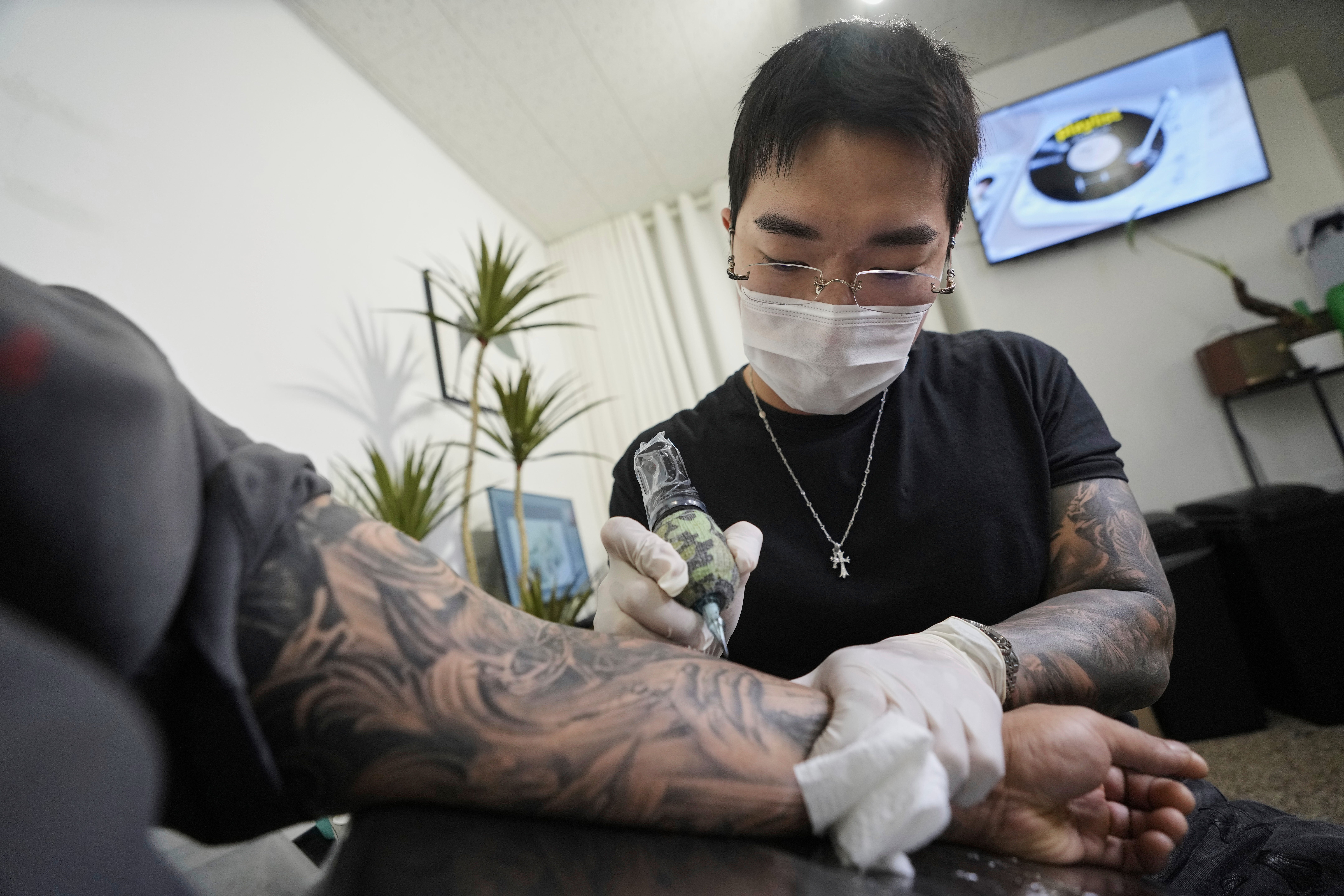
The new law formally recognises tattooing and semi-permanent make-up as “tattoo procedures”.
Only those who pass a national examination and obtain a licence will be allowed to practise professionally, reported the Korea Herald. However, tattoo removal will remain restricted to doctors.
Several safeguards have been included in the legislation. Tattooists must complete compulsory hygiene and safety training, and keep detailed records of each procedure, including the date, the type and quantity of ink used and the part of the body tattooed. Tattooing minors will be banned unless parental consent is provided.
The move was hailed by tattooists who had long campaigned against what they saw as an unjust ban.

“Tattooists in Korea, each working in their own spaces, overcame the isolating nature of our profession and built a solidarity of 1,100 members,” said Doy, a prominent artist and union organiser who has previously been fined for practising.
“In doing so, we ourselves changed the injustice that had long denied our profession.”
Im Bo-ran, president of the Korea Tattoo Federation, described the passage of the act as a moment of pride.
“Today, with rightful professional pride, we make a promise to the people. We will offer safer and higher-quality services and make K-tattoos the best in the world. We will mark today as the start of that great journey,” she was quoted as saying by the Korea Herald.
Lawmakers who backed the change said the reform would professionalise the industry and improve safety for consumers.
Representative Park Ju-min of the ruling Democratic Party of Korea, who chairs parliament’s Health and Welfare Committee and introduced the bill, said: “With this bill passed, people can now receive tattoos safely, and tattoo professionals can finally be recognised as legal experts. I will make sure this system is properly implemented until the end.”
President Lee Jae-myung, who has publicly supported legalising tattooists, is expected to sign the bill into law.
Tattooing in South Korea has long carried social stigma, historically associated with gangs and criminality, even as it became popular among younger generations and gained international attention.
The new law marks a major cultural shift, legitimising an industry that had been tolerated but never formally recognised.
Campaigners say the decision brings South Korea into line with other developed nations, where tattooing is widely practised as a regulated profession.
The two-year grace period is expected to give artists time to prepare for licensing exams and compliance requirements, finally granting them legal status after decades of operating underground, reported the Korea JoongAng Daily.
Join our commenting forum
Join thought-provoking conversations, follow other Independent readers and see their replies
Comments
Bookmark popover
Removed from bookmarks