South Korea wants people to stop using term ‘defectors’ for those who flee North Korean regime
South Korea says the current terminology for resettled North Koreans undermines social integration
South Korea is planning to change the term “defectors” to describe North Koreans who flee the country to resettle in the South, as the word carries “negative connotation”.
South Korea’s Ministry of Unification, a government body responsible for inter-Korean relations, has commissioned a study to review the names and change them to a new name by the end of this year.
The South Korean name for defectors, “talbukmin”, which literally means “people who escaped from the North”, would be changed to an alternative term to “promote social integration”, Yonhap reported, citing ministry officials.
On Monday, unification minister Chung Dong Young said Seoul is looking for alternatives both for the legal terminology and the everyday use.
“North Korean escapees often dislike the character ‘tal’ (meaning ‘escape’ or ‘defection’),” he said in a speech. “Even the word ‘defection’ carries a negative tone.”
He said the South Korean term “bukhyangmin”, which means people from the North, is currently the most favoured alternative as it does not highlight escape or betrayal.
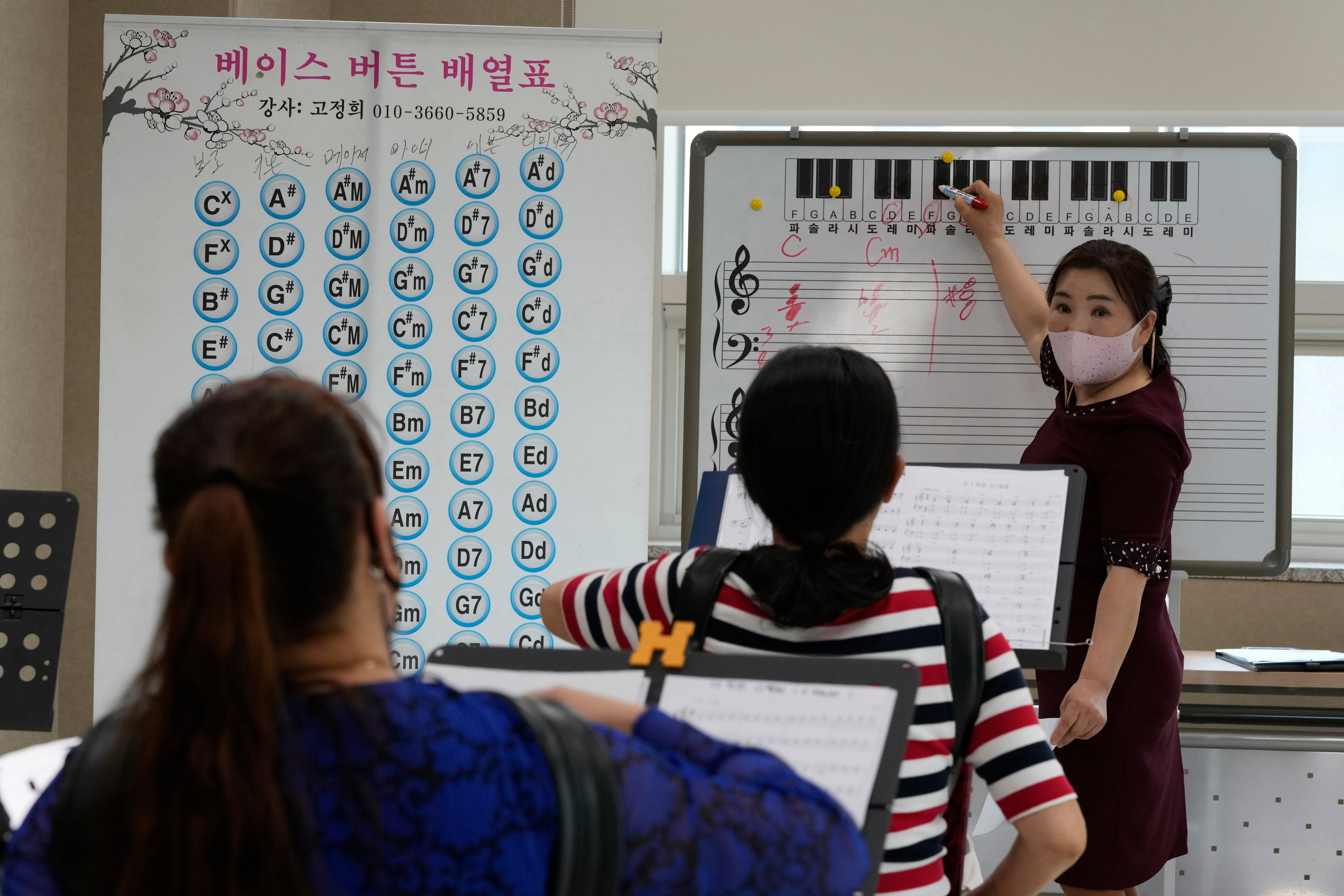
It is believed that the current term undermines the purpose of social integration for those leaving North Korea for a better life in the South.
Many North Koreans risk their lives to defect due to a combination of factors – political oppression, economic hardship, and lack of basic freedoms.
Chronic food shortages and poverty push some to seek survival outside the country, while others flee in search of greater personal freedom, education, or opportunities unavailable under Pyongyang’s rigid system. Some also escape to reunite with family members who have already settled in South Korea or elsewhere.
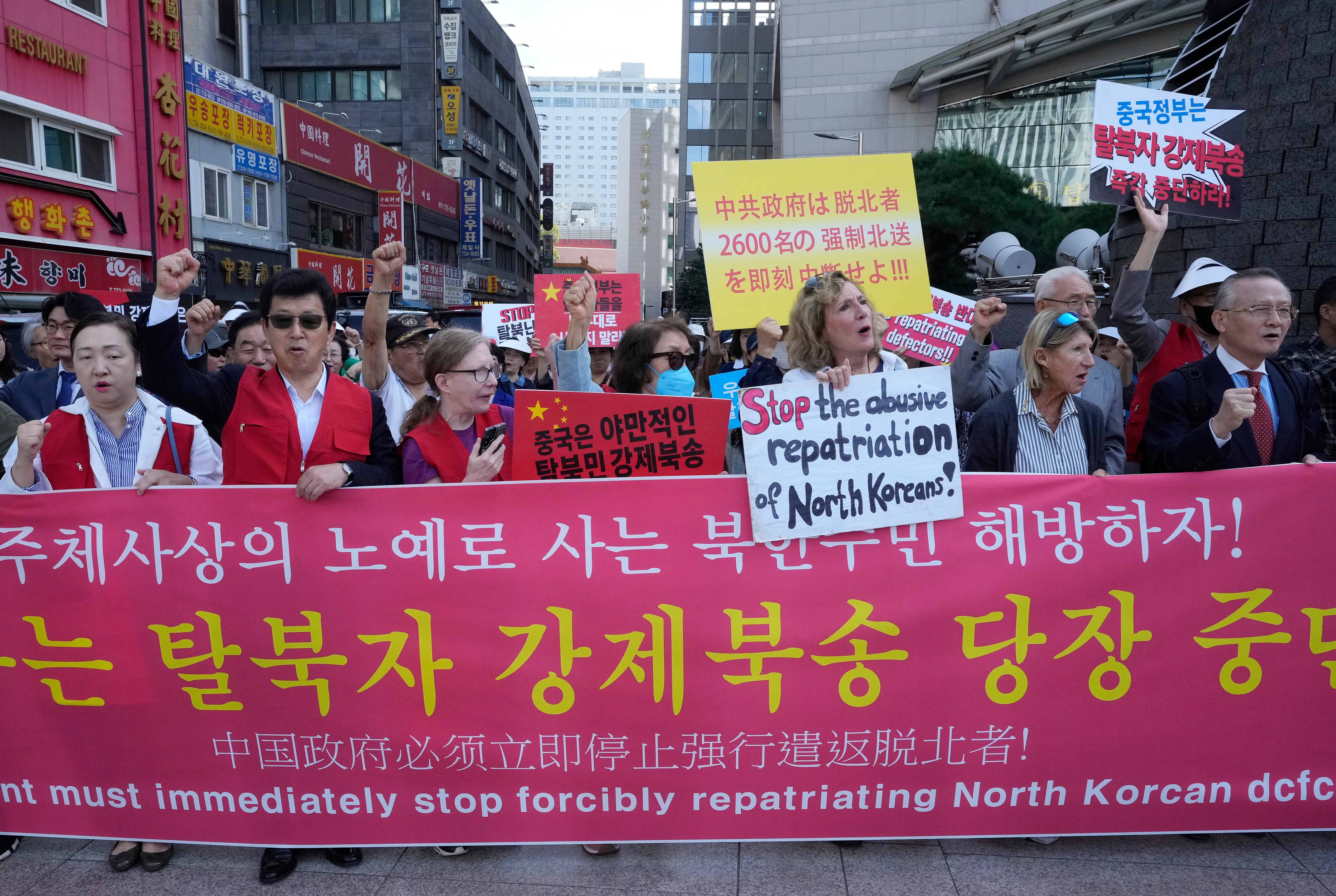
Seoul has expanded assistance programmes for North Korean defectors, many of whom face unemployment and social isolation as they try to rebuild their lives in the South.
South Korea has about 34,410 North Korean defectors residing in the country, according to government data. It comprises nearly 96 people defecting in the first half of the year so far.
More than 1,000 North Koreans defected to the South every year before the 2020 Covid pandemic. But the defection has declined since the pandemic led to North Korea enforcing stricter border restrictions.
A survey by the Korea Institute for National Unification last year showed that almost 60 per cent of North Korean defectors favoured a change of the term defectors.
Join our commenting forum
Join thought-provoking conversations, follow other Independent readers and see their replies
Comments
Bookmark popover
Removed from bookmarks