Kim Jong Un’s bizarre tirade against ‘goat’ in his cabinet exposes North Korea’s economic struggles
North Korean dictator fires vice premier on the spot after declaring him ‘unfit to be entrusted with heavy duties’
North Korean dictator Kim Jong Un reportedly fired “on the spot” a top cabinet official overseeing economic policy over what he described as chronic incompetence during a visit to an industrial facility.
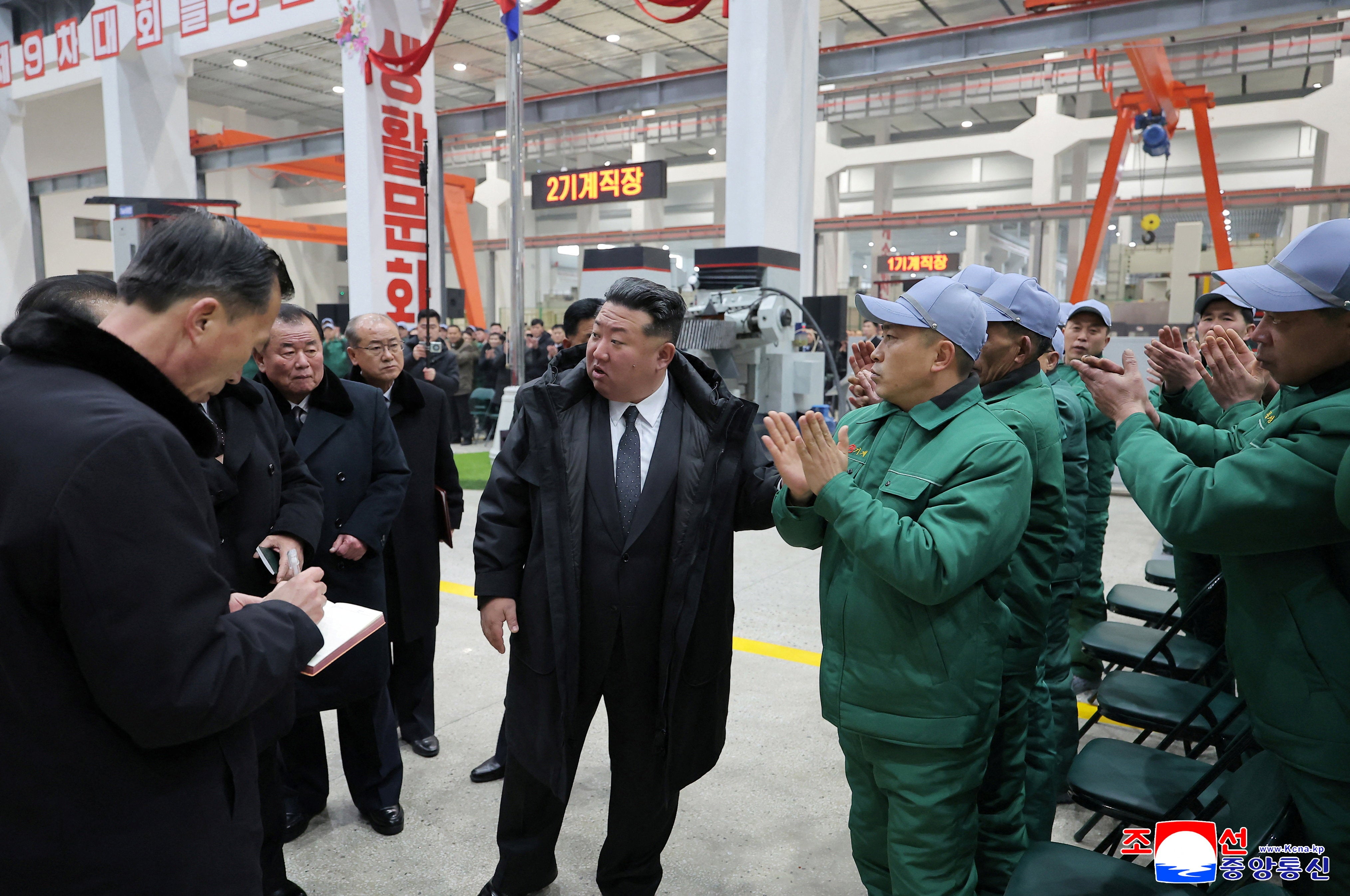
According to the state news agency KCNA, the summary dismissal took place as Mr Kim was inspecting the first phase of renovations at the Ryongsong Machine Complex, a major industrial facility in Hamgyong.
Mr Kim criticised officials responsible for the project’s delayed completion, accusing them of mismanagement and defeatism.
“Owing to the irresponsible, rude and incompetent economic guidance officials, the first-stage modernisation project of the Ryongsong Machine Complex encountered difficulties,” he was quoted as saying by the agency, adding they had for “too long been accustomed to defeatism, irresponsibility and passiveness”.
Mr Kim proceeded to dismiss vice premier Yang Sung Ho “on the spot”, declaring him “unfit to be entrusted with heavy duties”.
“Put simply, it was like hitching a cart to a goat, an accidental mistake in our cadre appointment process,” he said, referring to Mr Yang.
“After all, it is an ox that pulls a cart, not a goat.”
Images released by Pyongyang showed rows of factory workers dressed in matching green uniforms and grey hats standing before the North Korean dictator as he delivered a speech on economic governance.
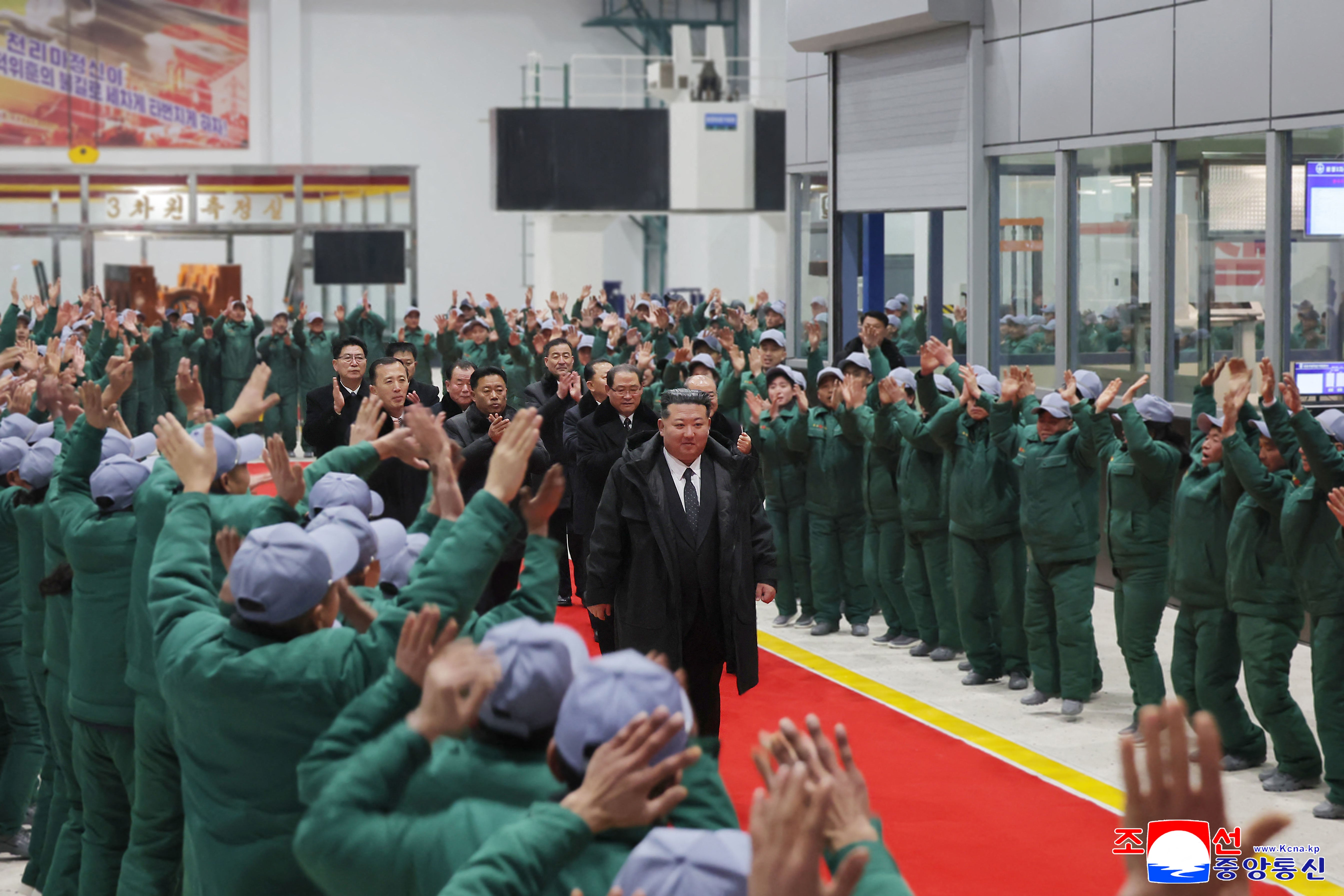
Mr Kim warned that incumbent economic planners could “hardly guide the work of readjusting the country’s industry as a whole and upgrading it technologically”.
North Korea’s economy is struggling under heavy international sanctions imposed over its nuclear and ballistic missile programmes, compounded by decades of centralised mismanagement, poor infrastructure, and recurring natural disasters such as floods and droughts.
Severe food shortages remain a persistent problem while resources continue to be prioritised for defence and weapons development.
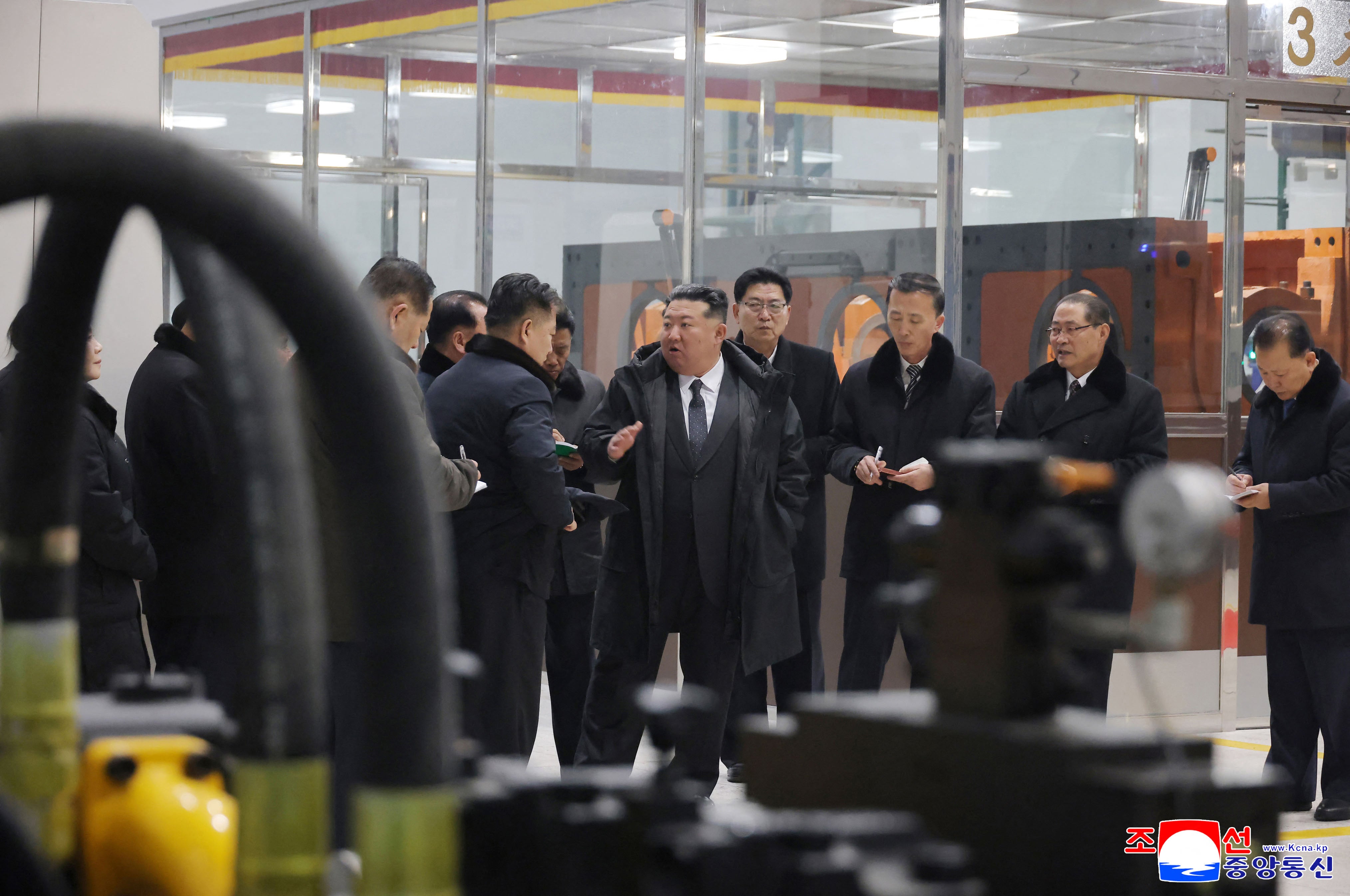
The Ryongsong Machine Complex is part of a larger industrial corridor stretching from the northeast to the coastal city of Wonsan. The corridor accounts for almost 16 per cent of North Korea’s total machinery output, Prof Yang Moo Jin of the University of North Korean Studies said.
Analysts caution that the vice premier’s public dismissal should not be interpreted as evidence of genuine systemic reform.
Prof Yang argued the North Korean dictator was “using public accountability as a shock tactic to warn party officials” rather than addressing deeper policy shortcomings.
The development comes as Pyongyang prepares for its first ruling Workers’ Party congress in five years, expected to take place in the coming weeks. Observers say economic strategy, alongside defence and military policy, is likely to dominate the agenda.
Mr Kim’s handling of the episode echoes previous purges used to reinforce discipline and deflect responsibility, Prof Yang told AFP, pointing to cases such as the execution of Jang Song Thaek, the leader’s uncle, in 2013. State media portrayed Jang as a traitor who confessed to seeking power, amassing illicit wealth, sabotaging economic projects, and pursuing a “decadent capitalist lifestyle”. He was labelled “worse than a dog” and a “despicable human scum”.
In 2010, North Korea executed senior finance official Pak Nam Gi after blaming him for a failed currency reform that damaged the economy, according to the Guardian.
South Korean intelligence claimed in 2015 that North Korea had executed its defence minister, Hyon Yong Chol, after accusing him of treason and showing disrespect to Mr Kim, including by allegedly falling asleep during a military event, Sky News reported at the time.
In 2016, South Korea’s state news agency Yonhap said Pyongyang had executed army chief Ri Yong Gil after accusing him of corruption and forming a political faction.
Join our commenting forum
Join thought-provoking conversations, follow other Independent readers and see their replies
Comments
Bookmark popover
Removed from bookmarks