China partially lifts ban on Japanese seafood after Fukushima wastewater row
Exporters will require certificates from Japan’s government confirming inspections for radioactive materials
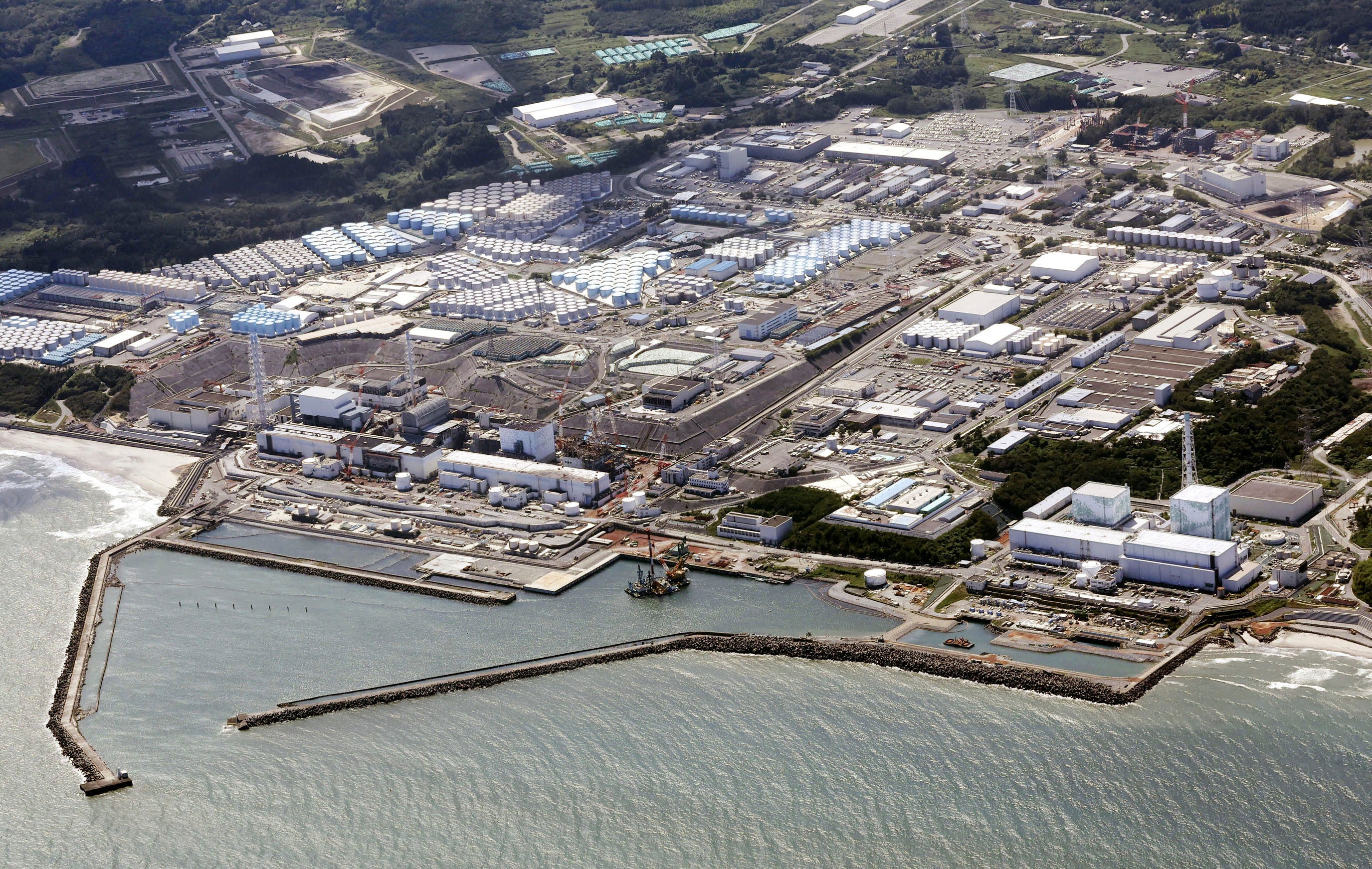
China partially lifted a ban on seafood imports from Japan after nearly two years over Tokyo’s release of treated radioactive wastewater from the crippled Fukushima Daiichi nuclear plant.
The move eases tensions between the two countries, though seafood from 10 Japanese prefectures, including Fukushima and Tokyo, remains barred.
China’s General Administration of Customs said in a statement that long-term international and Chinese monitoring of discharged wastewater had “not shown abnormalities”, prompting the decision to resume imports from most Japanese regions.
Exporters will now require certificates from the Japanese government confirming inspections for radioactive materials.
The ban was first imposed in August 2023 after Tokyo Electric Power Company (Tepco) began releasing treated wastewater into the Pacific Ocean. The discharge was backed by the International Atomic Energy Agency, which said radioactive elements had been filtered out except tritium, a substance that remains within internationally accepted safety levels.
Japan welcomed the partial reopening of the seafood trade, with agriculture minister Shinjiro Koizumi calling it “a major milestone”.
Deputy chief cabinet secretary, Kazuhiko Aoki, told reporters Tokyo would “strongly demand the Chinese side lift remaining import regulations on seafood from 10 prefectures”, according to AFP news agency.
China’s seafood ban had become a symbol of frayed relations, exacerbated by historical grievances and rising regional tensions. Beijing has long criticised Japan’s wartime record and accused Tokyo of failing to sufficiently address its past. The two countries remain key trading partners despite disputes over maritime territory and military spending.
Beijing’s customs authority said production companies must now reapply for registration in China and would be strictly supervised to ensure compliance with safety standards.
The partial lifting of the ban follows China’s statement last year that it would “gradually resume” imports once monitoring confirmed no safety risks. The development could help stabilise seafood markets, which were disrupted after China and later Russia suspended imports of Japanese marine products in response to the Fukushima wastewater release.
Join our commenting forum
Join thought-provoking conversations, follow other Independent readers and see their replies
Comments
Bookmark popover
Removed from bookmarks