Pop Mart looks to turn Labubu’s viral fame into Disney-style theme park empire
Chinese toy maker planning for animation, theme parks, content collaborations, and merchandise expansion
Pop Mart, the Chinese maker of the viral Labubu doll, is seeking to transform the breakout character into an entertainment franchise, taking lessons from Disney’s success with iconic intellectual properties.
In an interview with Reuters news agency, executive director Si De said the company intended to leverage Labubu beyond toy sales, with plans for animation, theme parks, content collaborations, and merchandise expansion.
“We have learned from Disney for a long time. In fact, Disney’s great value lies in its ability to operate intellectual property over the long term, even up to 100 years,” he said, referring to the American company’s Mickey Mouse character.
Pop Mart aims to replicate this approach, gradually building a portfolio of five to 10 original IPs with long-term potential.
The company, Mr Si declared, wasn’t chasing the “next big hit”, but concentrating on enhancing existing products and exploring new avenues for Labubu.
Labubu’s global appeal has already had a significant financial impact, triggering a nearly 200 per cent jump in Pop Mart’s shares this year and briefly making the company more valuable than Hasbro, Mattel, and Sanrio combined.
The Labubu plush dolls, designed in 2015 by Hong Kong-born illustrator Kasing Lung as part of his playful character series, The Monsters, generated nearly 35 per cent of Pop Mart’s first-half revenues in 2025.
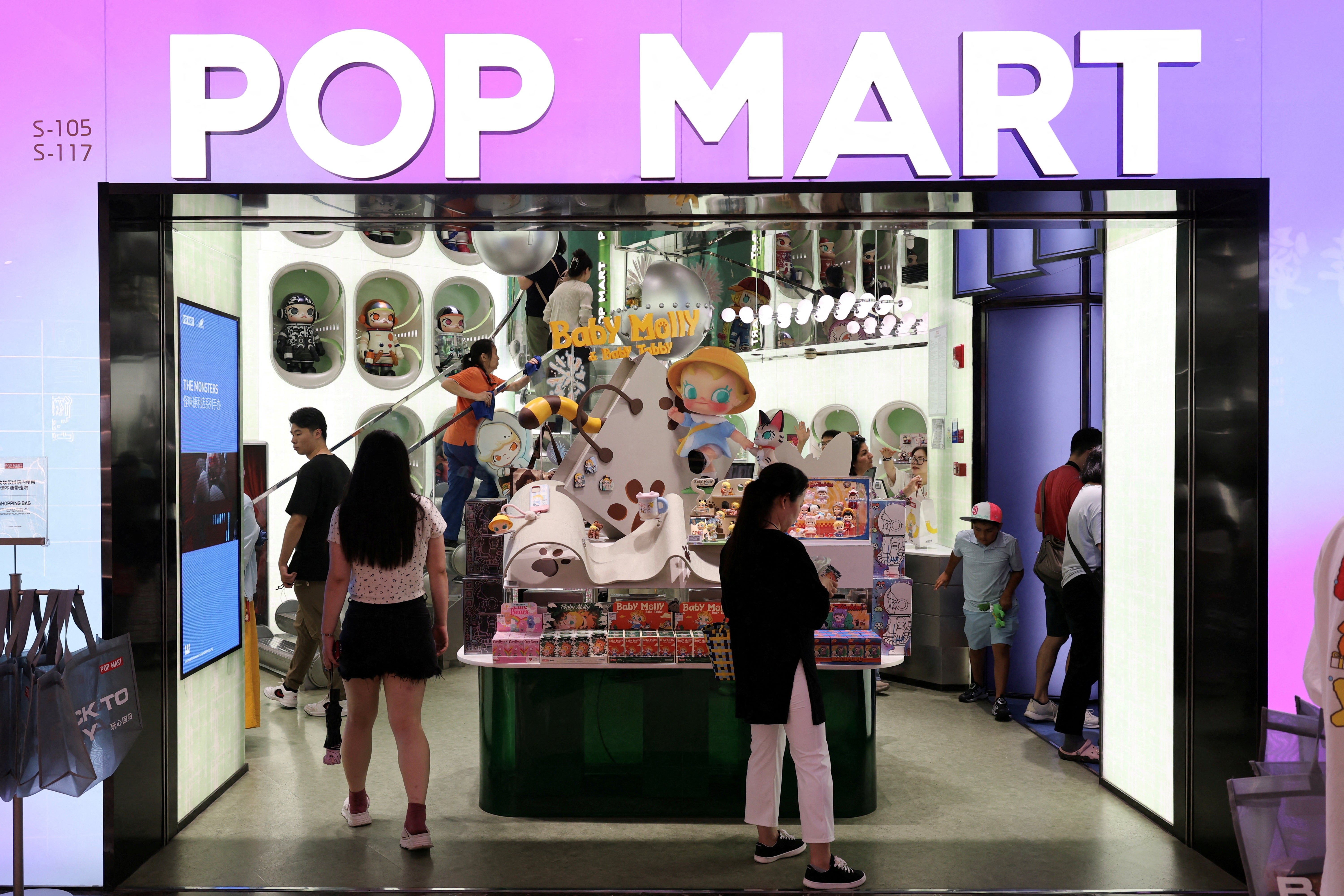
The success of Labubu also boosted sales of other Pop Mart characters like Skullpanda, Molly and Crybaby, each surpassing 1bn yuan in first-half sales.
It was previously reported that Pop Mart was exploring further global expansion, particularly into the emerging markets of Latin America and the Middle East.
The Chinese company already operates stores worldwide, including in the US and Europe.
Such is the popularity of Labubu that counterfeits are flooding overseas markets. South Korean authorities, for example, seized about 7,000 suspected counterfeit Labubu items, including dolls, key chains, figures, and phone cases, in June and July this year.
The UK too seized thousands of counterfeit Labubu dolls recently. The fake versions, sold by third party retailers, featured loose stitching and detachable parts that posed choking hazards for children, authorities said.
The imitations came without the required safety markings, importer information and legal safety warnings, violating the UK’s Toys Safety Regulations 2011.
Join our commenting forum
Join thought-provoking conversations, follow other Independent readers and see their replies
Comments
Bookmark popover
Removed from bookmarks