Hong Kong begins national security trial of organisers of Tiananmen Square vigil group
The case comes weeks after the conviction of media tycoon Jimmy Lai
A closely watched national security trial involving former members of a now-disbanded group organising Tiananmen Square candlelight vigils began on Thursday, marking another major test of the Beijing-imposed law that has reshaped political life in Hong Kong.
Hong Kong democracy advocates Lee Cheuk-yan, 68, Albert Ho, 74, and Chow Hang-tung, 40, all former leaders of the Hong Kong Alliance in Support of Patriotic Democratic Movements of China, are accused of “inciting subversion of state power”.
Prosecutors allege that the trio used their long-running role in organising Tiananmen Square memorial activities to promote political ideas deemed unlawful under the national security law introduced in 2020.
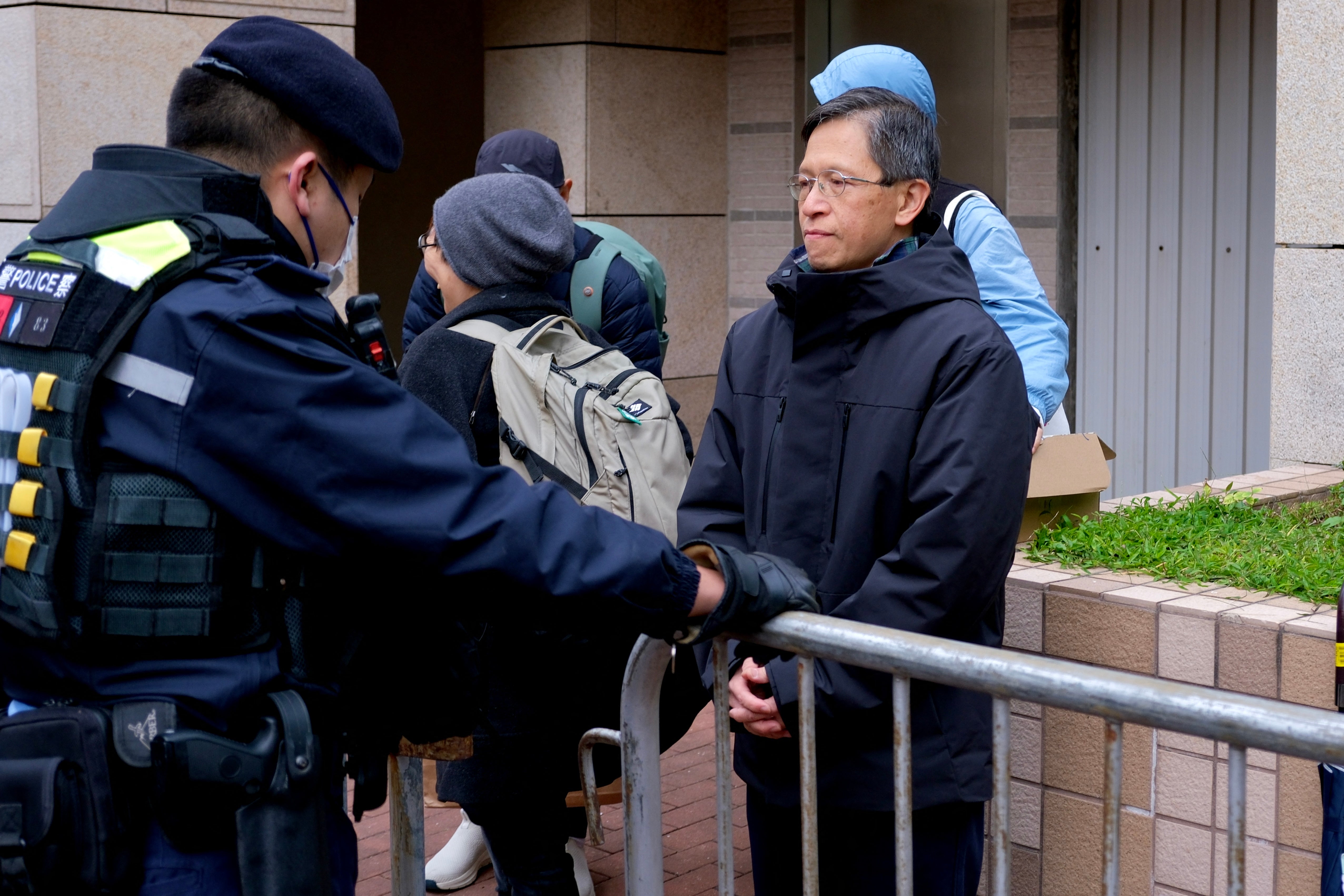
The case is among the most significant brought under the legislation, which carries a maximum sentence of 10 years in prison and has resulted in convictions in nearly every prosecution so far.
As the defendants were brought into court, supporters gathered in the public gallery. Mr Lee acknowledged them with a wave, prompting greetings of “good morning” in return. Ms Chow bowed and expressed thanks to those who had remained outside overnight. Mr Ho, the eldest of the three, appeared composed as he took his seat, the Associated Press reported.
Shortly afterward, Ms Chow and Mr Lee entered not guilty pleas. Mr Ho pleaded guilty, a decision that could be considered during sentencing.
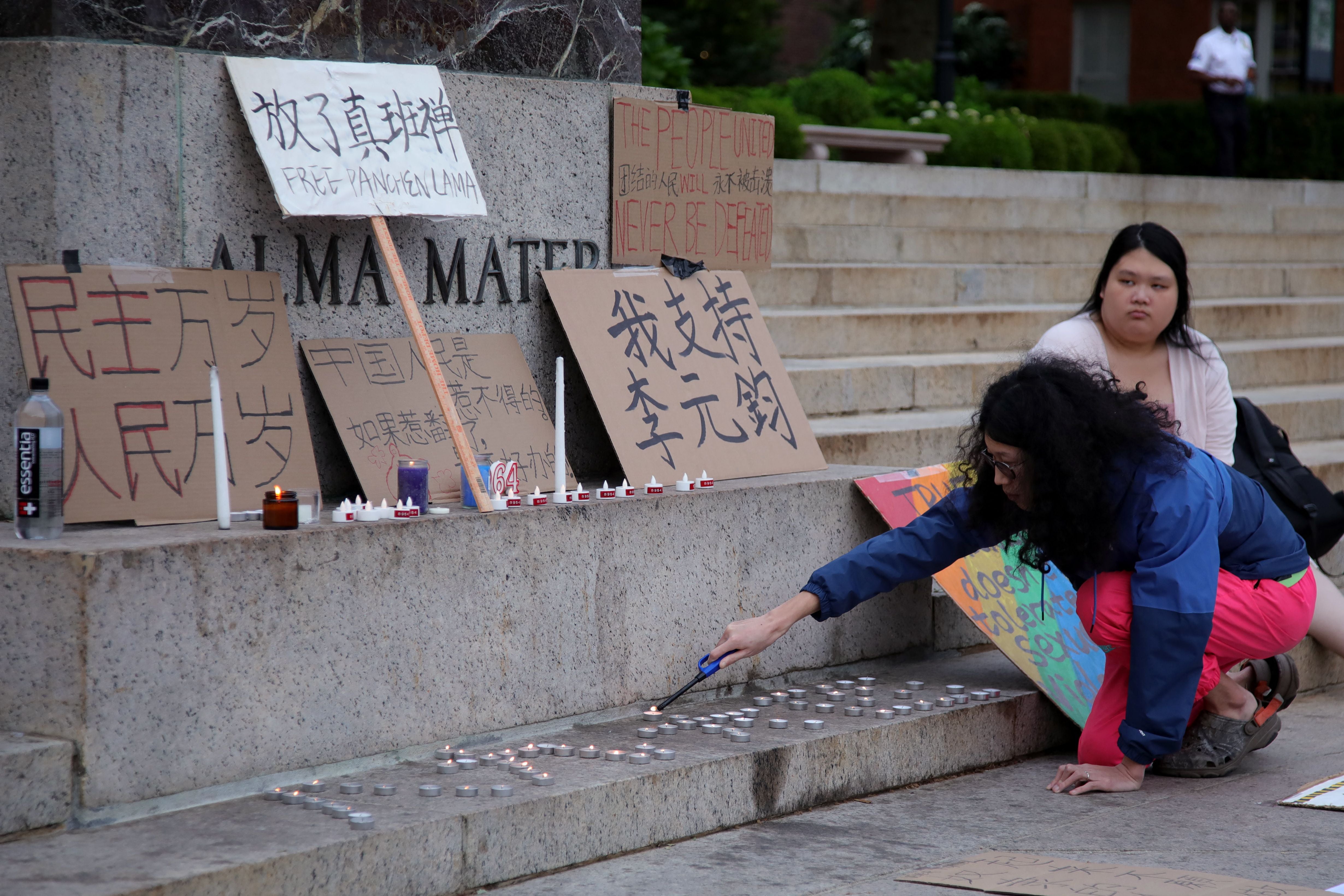
For more than three decades, the Hong Kong Alliance organised annual candlelight vigils on 4 June to commemorate the victims of the 1989 Tiananmen Square crackdown. Until authorities barred the event in 2020, the gathering – held in Victoria Park – was the only large-scale public remembrance of the massacre anywhere on Chinese soil and had become a defining symbol of Hong Kong’s political freedoms after the city’s 1997 handover from Britain to China.
Before dawn on Thursday, dozens of people lined up outside the courthouse in cold conditions to secure limited public seating. Among them was Tang Ngok-kwan, a former core member of the alliance, who said he had been waiting for days to attend the opening.
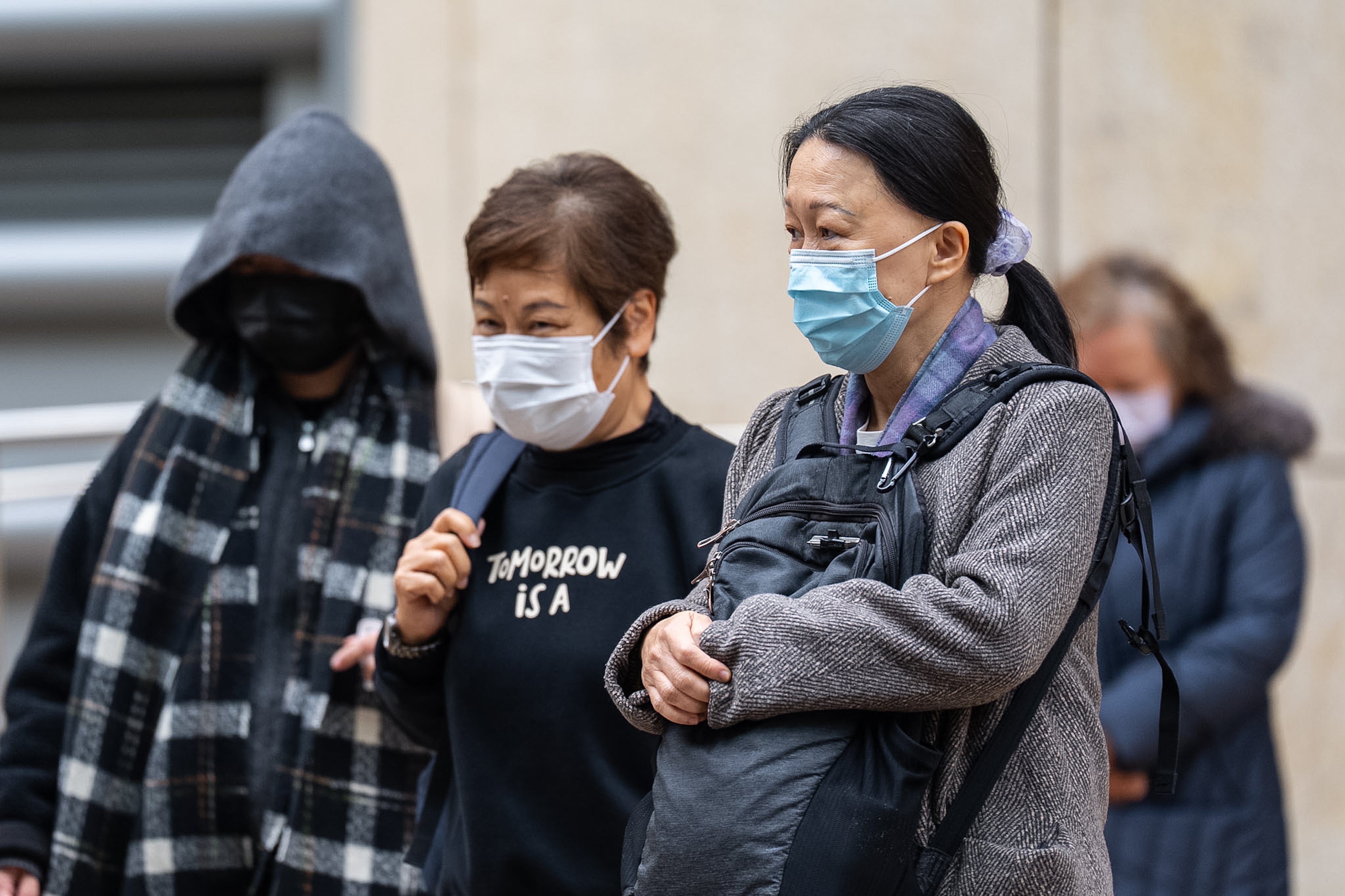
“They use their freedom to exchange for a dignified defence,” Mr Tang said. “It’s about being accountable to history.”
The trial will be heard by a panel of three judges approved for national security cases and is expected to run for about 75 days.
Prosecutors plan to present video recordings and other materials linked to the alliance’s past campaigns. “The court will not allow the trial to become, as [Chow] said, a tool for political suppression,” the judges wrote in a preliminary ruling.
In outlining the facts connected to Mr Ho’s guilty plea, prosecutor Ned Lai argued that the alliance’s long-standing call to end one-party rule amounted to an attempt to undermine China’s constitutional order. Mr Lai said removing the Chinese Communist Party from power was unconstitutional and could not be achieved through lawful means.
A written prosecution statement published by the judiciary alleged that the alliance used references to democracy and the “June 4th incident” to disseminate content hostile to the state. Although the defendants did not set out specific plans, prosecutors argued that the likely effect of their advocacy was to encourage the removal of the party’s leadership.
The proceedings against Ms Chow, Mr Lee and Mr Ho come shortly after the conviction of prominent media entrepreneur Jimmy Lai, a verdict that sparked criticism from governments and rights groups abroad. Mr Lai was convicted of conspiring to collude with foreign forces.
Responding this week, Hong Kong’s chief justice rejected claims of political motivation, saying the judges deal “only with the law and the evidence, not with any underlying matters of politics”.
Meanwhile, the human rights organisations and overseas observers have criticised the case as emblematic of Hong Kong’s shrinking civic space.
“This case is not about national security – it is about rewriting history and punishing those who refuse to forget the victims of the Tiananmen crackdown,” said Sarah Brooks, Amnesty International’s deputy regional director for Asia was quoted as saying by Reuters.
Mark Clifford, president of the Committee for Freedom in Hong Kong Foundation, was quoted as saying by the Guardian: “The Chinese regime will stop at nothing to erase history and silence those who seek to keep the truth of Tiananmen alive. Chow Hang-tung, Lee Cheuk-yan and Albert Ho are courageous patriots who have devoted their lives to representing Chinese people denied basic rights. Sadly, they are also symbols of how far Hong Kong’s once-respected justice system has fallen, persecuted for demanding that Beijing keep its promises to the people of Hong Kong.”
Hong Kong’s government has repeatedly defended the enforcement of the security law, saying all actions are grounded in evidence and applied in accordance with legal procedures. Beijing, meanwhile, maintains that the law was necessary to restore stability after the mass pro-democracy protests of 2019.
On Wednesday, Angeli Datt, research and advocacy coordinator at the Network of Chinese Human Rights Defenders (CHRD), said in a statement: “Organising a candlelight vigil to call for justice for victims of a massacre and democracy in China is not a threat to national security – it is a form of expression and assembly guaranteed by international human rights law.
“This trial is sham, designed to make repression appear legitimate. If Hong Kong authorities actually follow the law, their only recourse is to drop all charges and immediately release the three organisers.”
Join our commenting forum
Join thought-provoking conversations, follow other Independent readers and see their replies
Comments
Bookmark popover
Removed from bookmarks