Midyear shopping festival shows robust purchasing power
THE ARTICLES ON THESE PAGES ARE PRODUCED BY CHINA DAILY, WHICH TAKES SOLE RESPONSIBILITY FOR THE CONTENTS

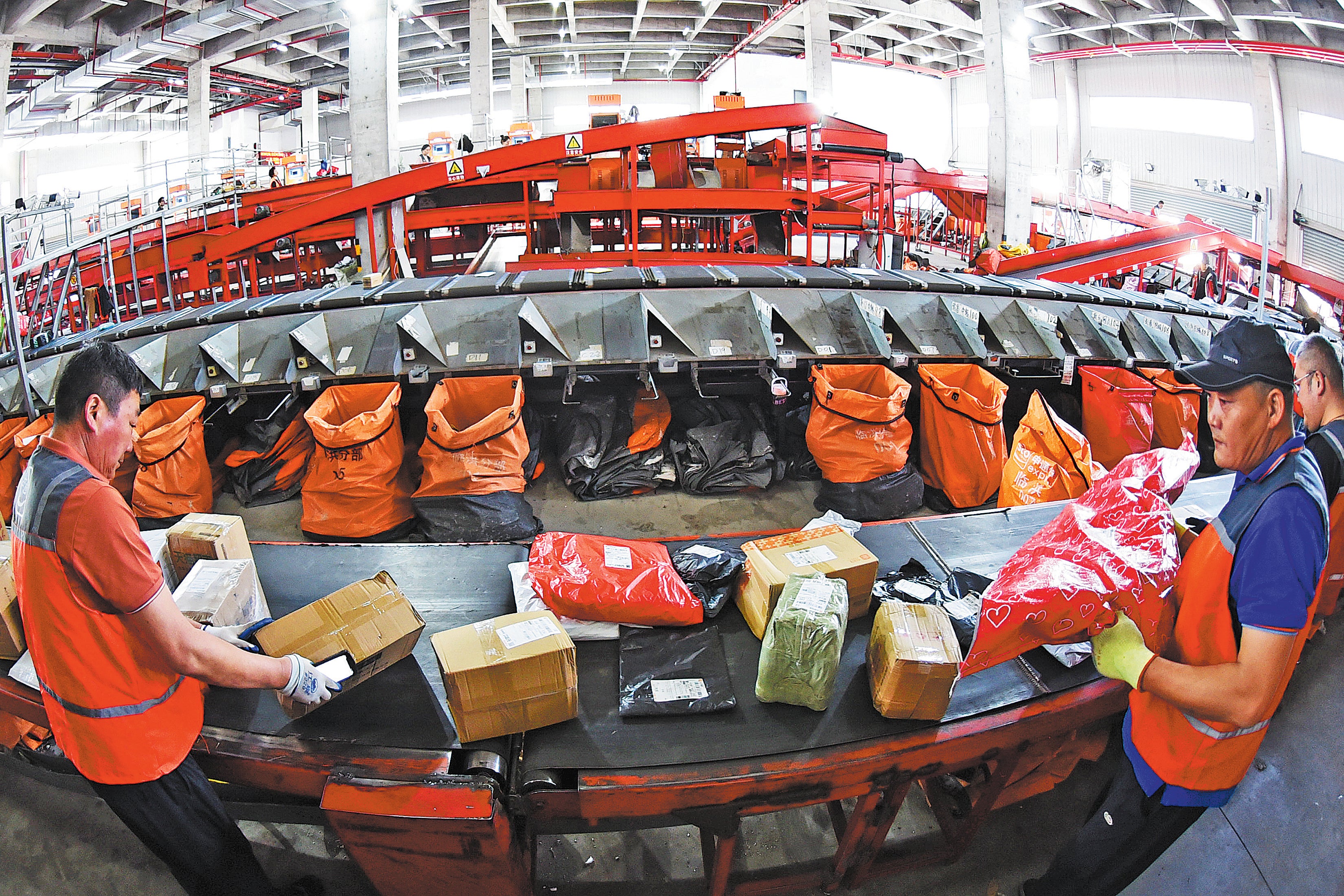
Chinese consumers have exhibited robust purchasing power for home appliances and intelligent electronic products during this year’s “618” shopping carnival, a weekslong sales event that culminates on 18 June, as e-commerce platforms have ramped up efforts to offer steep discounts and shopping subsidies amid the country’s pro-consumption policies, such as the consumer goods trade-in programme.
Experts said the midyear promotional event is expected to play a vital role in further stimulating people’s purchasing appetite, expanding domestic demand and promoting the recovery of the consumer market, given that boosting consumption is a top priority for China’s economic growth this year.
Data from e-commerce giant JD, which initiated the “618” shopping extravaganza, showed that the turnover, order volume and number of shoppers placing orders on the platform all increased more than 200 per cent year-on-year in the first hour of the shopping gala, which officially started at 8 pm on 30 May.
More than 20,000 brands saw their sales surge more than threefold year-on-year during this hour, and the turnover in the electronics categories soared over 380 per cent from a year earlier, JD said. Meanwhile, over 500 home appliance and home lifestyle brands recorded over tenfold growth in turnover compared with the previous year.
The transaction volume of Apple, Xiaomi, Midea, Huawei and Haier each surpassed 100 million yuan (£10.3 million) very quickly within the first hour of the promotion, while the sales of more than 10,000 popular electronic products such as gaming laptops, high-end earphones and intelligent robots skyrocketed over tenfold year-on-year.
According to Tmall, Alibaba Group’s business-to-customer platform, 217 brands saw their sales exceed 100 million yuan (£10.3 million) between 8 pm on 16 May and 9 pm on 30 May.
The turnover of home appliances, mobile phones and digital products participating in the country’s trade-in programme increased 283 per cent compared with last year’s Singles Day shopping festival, a weekslong sales event that peaks on 11 November. The overall sales of home appliances, home decorations and electronic gadgets registered double-digit growth year-on-year, Tmall said.
Consumers increasingly prefer to snap up bargains via livestreaming on the e-commerce platform, with the turnover from 419 livestreaming rooms surpassing 10 million yuan (£1.03 million) as of 9 pm on 30 May.
“Consumption has become the main driving force boosting China’s economic growth, and the 18 June online shopping extravaganza is pivotal in terms of unleashing consumers’ purchasing potential, driving domestic demand and shoring up the economy amid external uncertainties,” said Wang Yun, a researcher at the Chinese Academy of Macroeconomic Research.
Stephan Patton, from the United States, who works for a multinational company in Shanghai, recently bought a new refrigerator and outdoor sports equipment on Chinese e-commerce platforms. “I am delighted to stock up on products that I am keen to purchase without spending too much money during the shopping festival.”
He said there are some pretty decent discounts if people can catch them in time, and he enjoyed a discount of about 20 per cent with shopping coupons.
China’s efficient delivery services have also greatly impressed him. “Most items can be delivered to my doorstep the next day after placing an order. It is quite convenient.”
The country announced a raft of measures to expand the scope of the consumer goods trade-in programme in January, increasing funding from 150 billion yuan (£15.4 billion) last year to 300 billion yuan (£30.8 billion) through ultra-long-term special treasury bonds, and offering subsidies for more home appliances and electronic devices such as smartphones, tablets and smartwatches.
“The policy measures to encourage trade-ins of consumer goods have not only motivated consumers’ enthusiasm to purchase and bolstered the sales of consumer electronic products and household appliances on online marketplaces, but also propelled the popularity of green and energy-saving commodities,” said Mo Daiqing, a senior analyst at the Internet Economy Institute, a domestic consultancy.
Bookmark popover
Removed from bookmarks