Wuthering Heights is just another example of the poshification of the arts – does Ireland have the answer?
If you’re a creative in Ireland, you may now be offered a basic income of £1,000 a month to pursue a career in the arts. It’s groundbreaking, and, says Richard Benson, may be the only way to smash the class ceiling many encounter when trying to enter a world that’s now dominated by a privileged elite
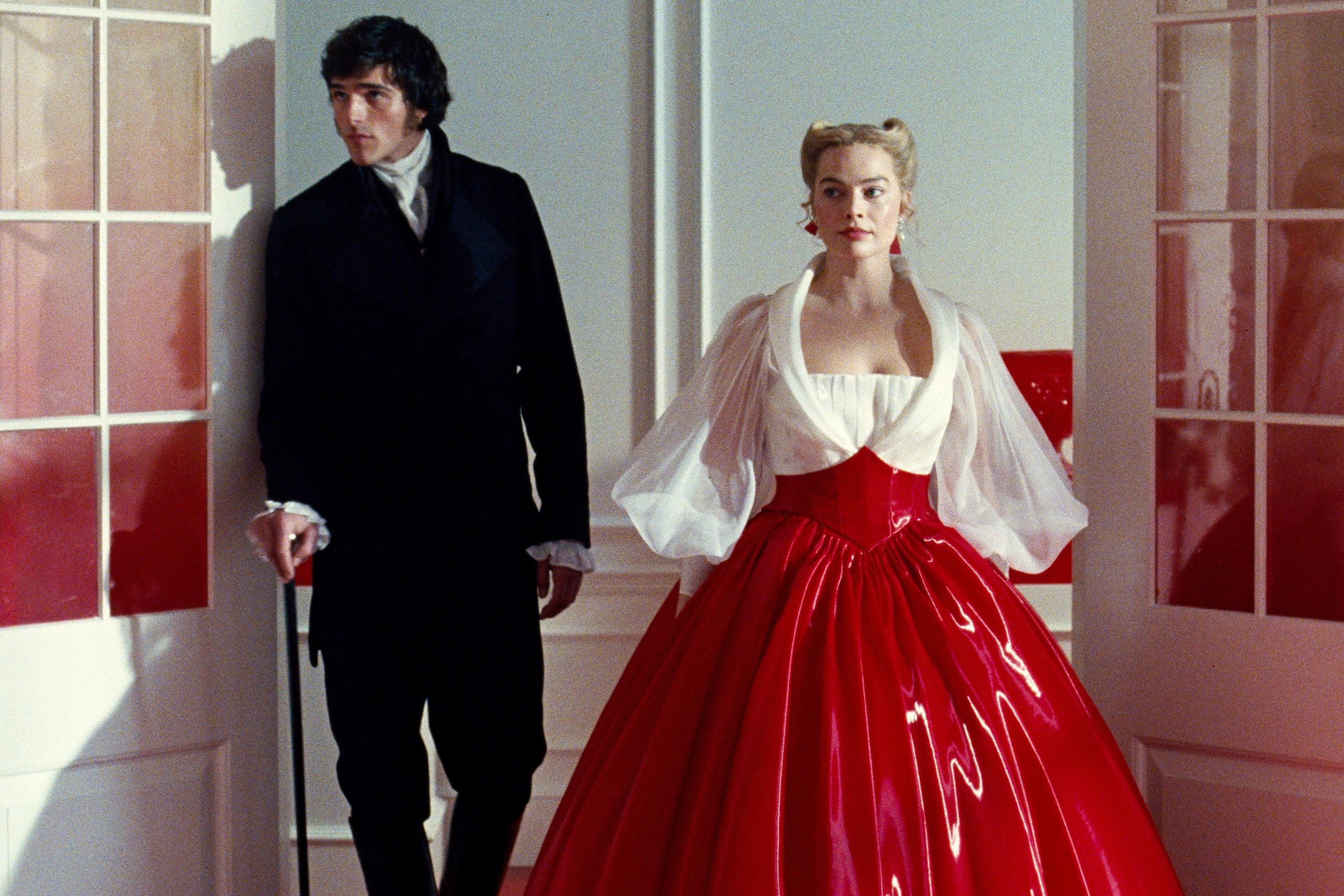
Emerald Fennell’s “Wuthering Heights” is attracting bitter criticism for stripping out the race and class from Emily Brontë’s masterpiece, and the BBC’s Lord of the Flies is yet again reminding us how much easier it is to get funding when your characters are posh. In late January, the middle- and upper-class takeover of the arts – which has seen working-class representation in the sector decline from 26 to 19 per cent between 2020 and 2023 alone – was confirmed by a report titled “Class Ceiling”. The authors sparked debate by claiming that the arts would remain the preserve of the elite unless class became a protected characteristic, like gender and race.
All this means that the announcement of a new scheme to support working-class artists in Ireland could not have been better timed. The scheme seeks to remedy the problem by giving artists a weekly Basic Income for the Arts of €325 (£283), which, it is hoped, will reduce their need to do other, non-creative work, and allow their creativity to develop. The money will be paid to 2,000 eligible artists in the Republic of Ireland in three-year cycles. The culture minister, Patrick O’Donovan, declared that it was the first scheme of its kind, and “a gigantic step forward”.
It certainly is, but many people in the arts will see it as long overdue. As Stephen Daldry said of his own film industry, “The really successful work in England tends to be working-class stories. It still shocks me how few films are written about, or made, in England about working-class life, given that those are the people who go to the movies.”



Bearing in mind the slating of “Wuthering Heights”, the success of Netflix’s Adolescence, and the seemingly endless slew of beige, middle-class TV dramas, many of us would now agree with Christopher Eccleston that “we’ve got enough private-school, Oxbridge actors”. To put it simply, working-class people make entertainment that people want; to fail to take measures to get more of them into the industry is economic madness.
It has been clear for decades that financial barriers to non-affluent people have been preventing them from working in the sector: unpaid internships tend to get most of the blame, but there are many more issues. I recently interviewed dozens of young, provincial working-class writers for a forthcoming report from the writing agency New Writing North, and the same problems came up time and time again: reliance on short-term contracts, the high cost of training, and a ludicrous London-centricism, coupled with rising transport and housing costs, make entry prohibitive for most people without access to the Bank of Mum & Dad.
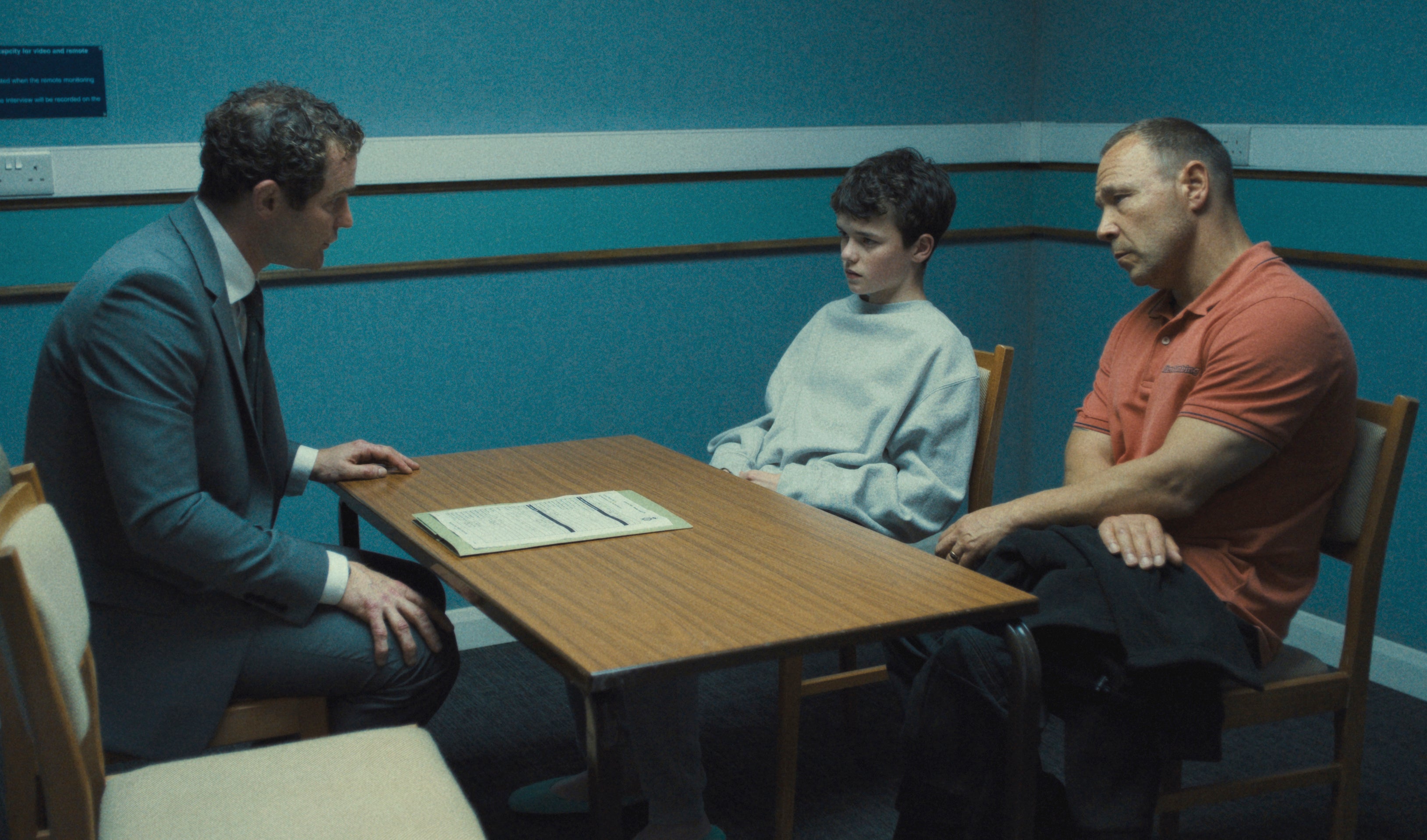
Even if they overcome that, many of them feel alienated in an office culture that has become increasingly monocultural and middle-class. As Dave O’Brien, professor of cultural and creative industries at the University of Manchester, has previously said, the lack of access is bad enough, but the culture generated as a result of this has its own consequences. Many of the writers I spoke to had simply given up.
There is an obvious failure of social justice in all this, but the problem can also be framed in strategic economic terms. We need to make sure that our creative sector is getting the very brightest and best talent, because it is one of the few good-news stories we currently have. Growth in the UK’s music, video and games sectors is projected to be more than four times the 1.5 per cent GDP growth predicted by the Office for Budget Responsibility for the economy as a whole. The government may labour under the illusion that only Big Tech can deliver the success we need, but meanwhile, the creative sector has outperformed many other sectors for years.

The creative sector cannot live by middle-class talent and ideas alone, and the arts employment market won’t solve the lack of access on its own. However, the evidence suggests that the economy loves the results of action taken to even things out. Funded schemes for supporting talent have paid off; Adolescence certainly wouldn’t have been made without them. Reports have repeatedly shown that for every £1 invested in the arts, the economy as a whole makes more than £3 back.
As Claire Malcolm, CEO of New Writing North, says, “It’s not a question of whether we can afford to invest in creatives, but of whether we can afford not to. And once you accept that, then you have to accept you need the best talent from all classes and all walks of life. The arts create environments where people and companies like to be. With respect, if you wait for tech companies to do that, you’ll be waiting a long time.”
Join our commenting forum
Join thought-provoking conversations, follow other Independent readers and see their replies
Comments
Bookmark popover
Removed from bookmarks