An opportunity or a threat? How YouTube rose and rose to overtake the BBC
YouTube has officially dethroned the BBC with its enormous British viewing figures, after surpassing ITV last summer
It all started with a shaky video of a young man and a couple of elephants at the San Diego Zoo.
That 19-second clip was the first ever to be uploaded to YouTube, on 14 February 2005. The man in the video is Jawed Karim, who, together with Steve Chen and Chad Hurley, founded YouTube in an office above a pizza restaurant in San Mateo, California.
How quickly things have changed. This week, a report confirmed that Youtube’s British viewing figures have overtaken those of the BBC for the first time, drawing a line under the national broadcaster’s near-century-long dominance of UK entertainment.
According to official ratings agency Barb, the Google-owned platform now attracts a larger audience than all of the BBC channels combined.
In December, the BBC attracted 50.8 million viewers, compared with almost 52 million who tuned into YouTube on their televisions, smartphones or laptops.
The writing has been on the wall for some time. An Ofcom survey in July last year found that YouTube had overtaken ITV to become the second-most-watched home service in the UK, after the BBC.
These new figures mark both a milestone for YouTube and a setback for the BBC, which says a lot about how audiences have changed since “Me at the Zoo” was uploaded back in 2005.
According to TV critic and broadcaster Scott Bryan, the biggest shift in YouTube’s favour has been the rise of smart TVs. “For years, YouTube and TV were very separate entities,” he says. You had to go on a laptop to watch YouTube and a TV to watch TV, but now smart TVs mean a lot of people, when they turn on a TV, they’re going directly to YouTube and watching it there.”
As such, says Bryan, “an outside player has attained dominance very quickly”.
YouTube is far from the only threat to the BBC and other traditional broadcasters, with US streaming services like Netflix also encroaching on audience numbers, but the video-first social network remains the main rival, according to industry executives.
Its rise has been rapid. Just months after “Me at the Zoo”, YouTube marked its first video to hit 1 million views – a Nike ad starring Brazilian footballer Ronaldinho.
That figure is paltry compared with what the platform brings in today. Even those who do not use it regularly will be familiar with its flashpoints, viral moments that have cut through the cultural noise over the past two decades.
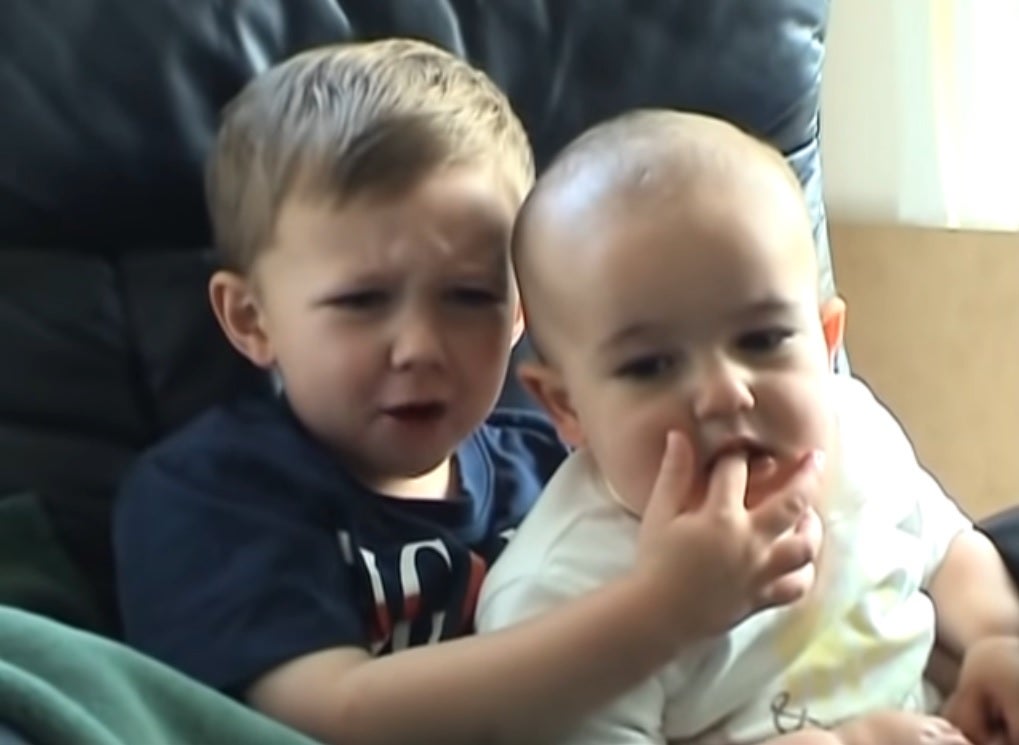
In 2007, “Charlie Bit My Finger” – a home video of two young brothers on a sofa – racked up hundreds of millions of views, reaching 888 million this year.
“Gangnam Style” by South Korean pop star PSY became the first video to hit a billion views in 2012, breaking not only records but also YouTube’s own view counter.
It is not only these flash-in-a-pan viral moments that have contributed to YouTube’s growth, but the content made by established creators.
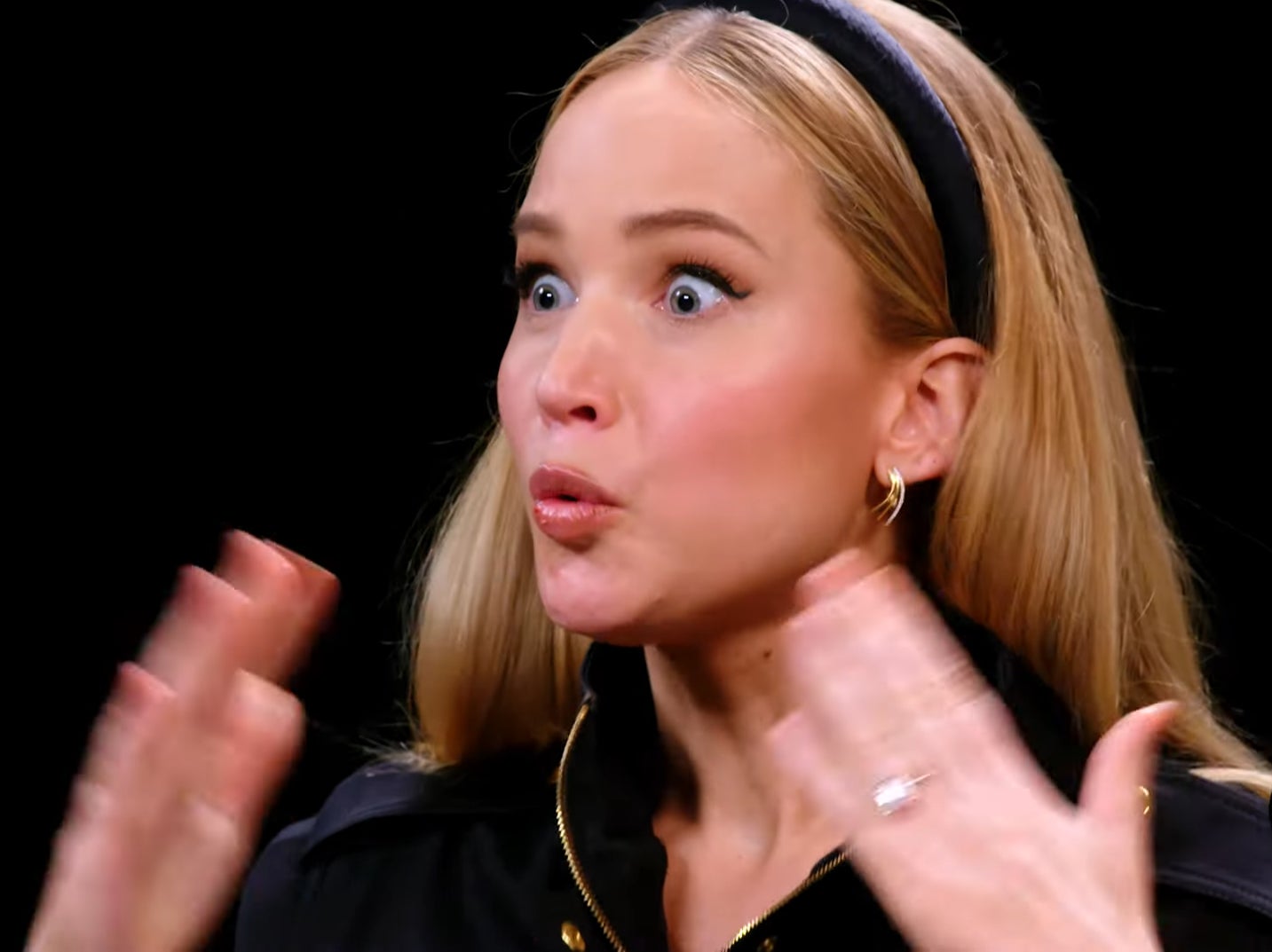
Increasingly, YouTube has become a home for longer videos, such as podcasts and interview shows like Hot Ones and The Diary of a CEO, as much as it is for the short-form content that set it apart at the beginning.
Large-scale, television-style productions are now commonplace, driven by celebrity creators such as MrBeast, who has 460 million subscribers worldwide, and the UK-based group Sidemen.
Children’s programming is also a major factor, with the phenomenal success of channels like Ms Rachel, Blippi and Cocomelon, which have 18.5 million, 26.9 million and 200 million subscribers respectively.
Not everyone is so worried. TV critic Phil Harrison notes that alarm about these new figures may overlook how much content the BBC itself puts on YouTube: “I wonder how the numbers would look if the BBC stopped posting on YouTube and insisted on the removal of all of the BBC content that has been posted unofficially,” he said.
What is certain is that the success of YouTube poses an existential question for the BBC as the broadcaster attempts to meet this challenge head-on.

Kate Phillips, the corporation’s director of content, said that the BBC is now committed to making YouTube-specific content as opposed to sticking with its previous strategy of using the platform solely for trailers and clips.
This change of approach followed an Ofcom warning to the BBC and other public service broadcasters that urged them to make more content for YouTube or risk losing young audiences.
Harrison believes that making content for YouTube is likely the way to go. “I suspect the BBC should probably regard YouTube as less of a threat and more of a cohabitee with whom it can enjoy a symbiotic relationship,” he says. “It isn’t going away, but as things stand, the BBC can probably use it to direct younger viewers towards iPlayer. It should probably see the platform as an opportunity, not a threat.”
Of course, there is the matter of money. “Having to make shows for iPlayer, TV and also YouTube, that is certainly an ever-widening stretch,” says Bryan.
The BBC lost more than £1bn last year from people evading the licence fee or cancelling their payments; the cost of the licence is expected to rise from £174.50 to £181 in April.
All this said, the BBC notes that the Barb figures that put YouTube ahead measure three-minute audience reach on TV sets, phones and other devices, which will inevitably favour short-form video content.
The broadcaster instead uses a 15-minute measure, which it says reflects engaged audiences. By that metric, the BBC remains comfortably ahead of YouTube, with an average monthly reach of 47 million last year compared with 40.8 million.
A BBC spokesperson told The Independent: “The UK watches significantly more BBC TV than that of any other provider. In 2025, UK audiences watched 351 million hours on the BBC each week, which is far ahead of anyone else.
“When we focus on reach, we look at a minimum of 15 minutes as an appropriate measure for long-form content, and by that measure, the BBC continues to lead the way.”
Whatever is next for the BBC in this ever-changing entertainment landscape, Bryan believes that its core mission – “to inform, educate and entertain” – is still an important one.
“I think the BBC, in terms of its mission statement, is more relevant than ever. The challenge is how can it stand out in an increasingly crowded market.”
Join our commenting forum
Join thought-provoking conversations, follow other Independent readers and see their replies
Comments
Bookmark popover
Removed from bookmarks