How Tony Blair became more powerful now than he was as PM
As the director of a new documentary exploring the extraordinary success of the former leader, Michael Waldman spent several months living on Planet Blair and talking to former colleagues – including Peter Mandelson. It was a fascinating – and sometimes unnerving – experience
At a time when Sir Keir Starmer’s political judgement is being questioned, some see the decade when Tony Blair was in power as a golden age of stability and prosperity – and astute political management. He appointed Peter Mandelson, but he then sacked him twice.
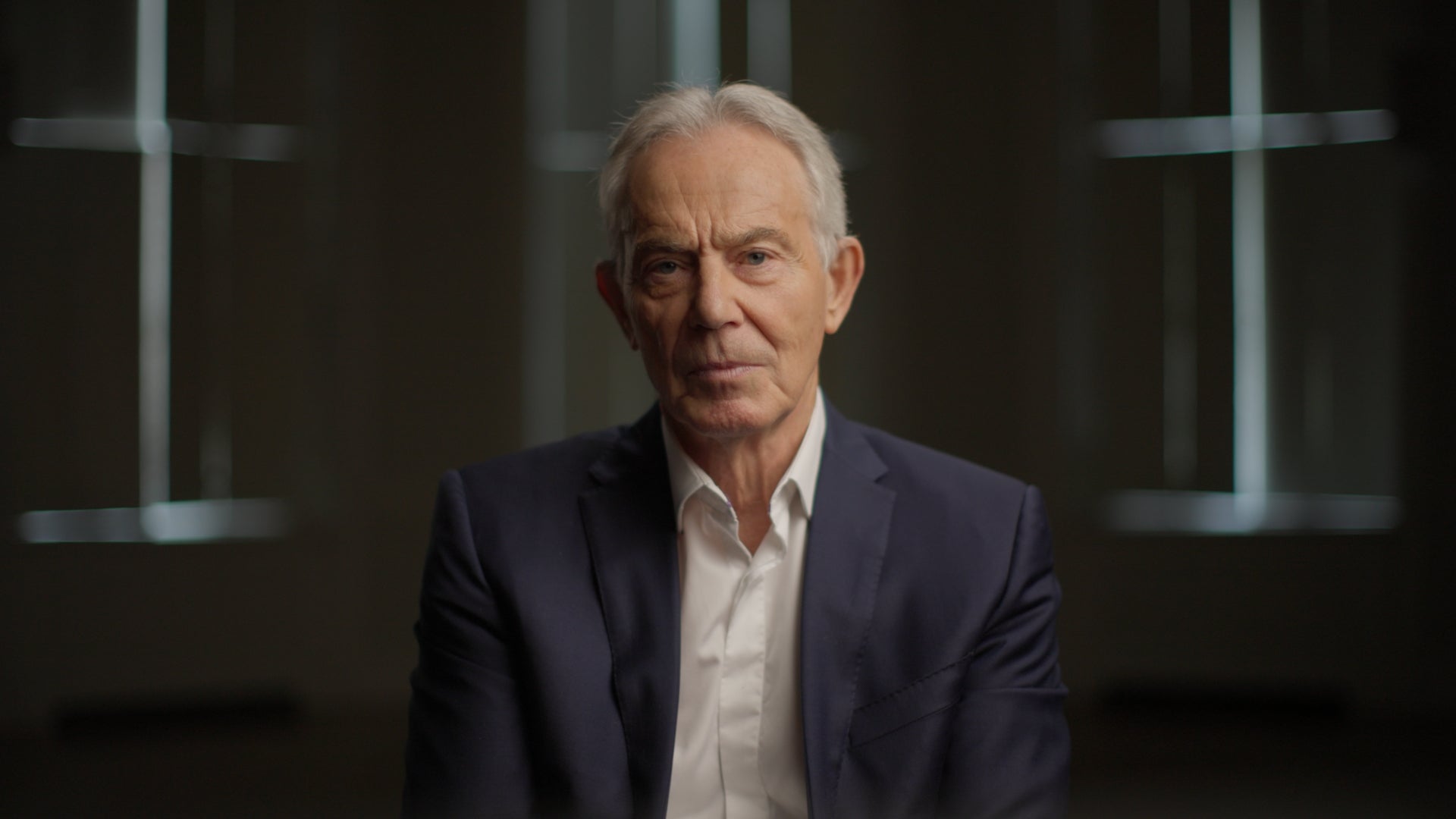
Tony Blair wasn’t only the most electorally successful Labour leader ever – three consecutive general election victories, including the one two years after what many see as his gravest mistake, the Iraq invasion – but also, having entered Downing Street in his early forties, one who has established a remarkable second career. The Tony Blair Institute for Global Change employs around a thousand people in nearly 50 countries. Having persuaded him to take part in our three-part Channel 4 series, The Tony Blair Story, I asked him whether he had as much power now as he did in No 10. He replied, “Not as much power as when I was prime minister – but influence – yes, to a degree.”
How does he wield that influence? Former ministers, let alone former prime ministers, range from washed-up failures promoted way beyond their capabilities to astute leaders with insights, experience and lasting political skills that are invaluable.
Blair’s Institute publishes reams of research on many of the issues with which current governments are struggling, and Blair himself personally advises leaders around the world. During the pandemic, for instance, the TBI switched its entire focus to advising governments on dealing with this unprecedented challenge to public services. As Tom McTague, editor of the New Statesman, told me, “It was the Tony Blair Institute which seemed to be ahead of the government. You suddenly started to see prime ministers going to see Tony Blair or asking Tony Blair to come to Number 10. Liz Truss saw him, Boris Johnson saw him, and Keir Starmer certainly saw him before he became prime minister. This is the kind of influence that he has managed to build for himself.”
Whatever you think of Tony Blair, he is unambiguously a key figure in Britain’s history. He is also a man whose world has, in some ways, crumbled – his priorities after all were participating in Europe, encouraging managed globalisation, interventionism, and taking a centrist approach against both left and right. Nearly 20 years after leaving office, he is still fighting for those ideas – but as he said to me: “I mean, if you’d told me that Nigel Farage was going to be a key player in British politics and Jeremy Corbyn was going to lead the Labour Party I would have said, that’s never going to happen – but I was wrong. Both did happen.”

But he went on to say: “Look, people in these last years have moved against some of the things I stood for … but, you know, I remain committed to those things… History’s not static, it changes and people will, I think, come in time to realise that there are merits in the position that I took.”
Or as McTague interestingly puts it, “There is a sense of him being this kind of tragic character, but in the original, Greek tragic sense of battling against a fate, trying to shape the world into a kind of world that he wants, into a liberal, international, democratic world order. This was what Blairite Britain represented. Britain was going to be the beacon of this world and it just kind of collapses into something that is completely different to that world that he imagined, but yet he still holds onto the idea that he can see the future.”
Ever the pragmatist, he is, though, bending to the realities of, for example, working with the current US president. Blair’s conviction that he still has something to offer is not cautious: it is a reputationally risky move to join the executive board of Trump’s “board of peace”.
He is such a controversial figure – subject to a degree of visceral hatred that few leaders experience – that I was fascinated to see how he manages his own emotions when confronted with such disdain. Resilience is clearly a quality needed in all leaders, but also a degree of ruthlessness: I was intrigued to get beneath the surface of what led to his extraordinary success in the past – and his determination to continue to wield influence in the present.
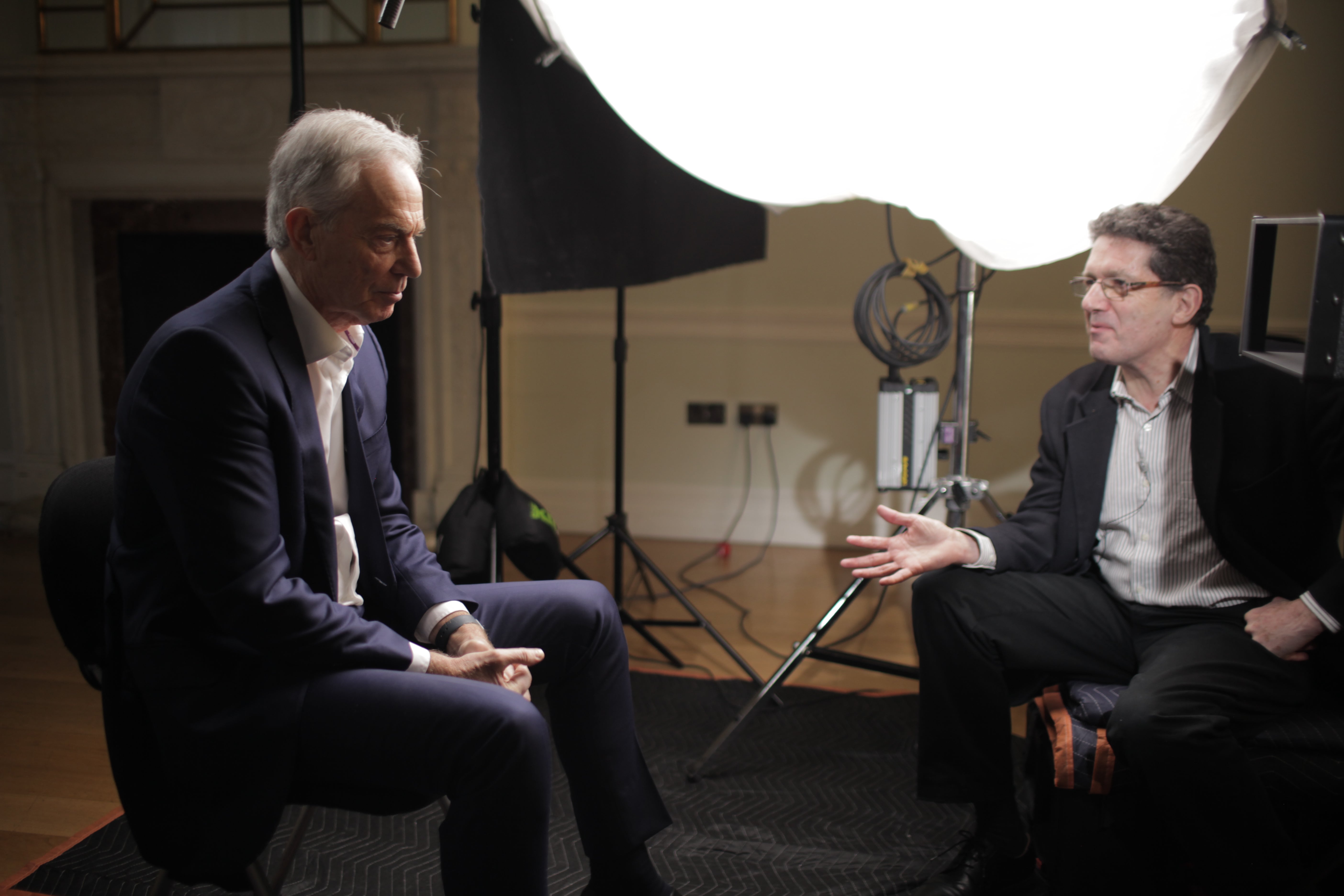
I confronted him on Iraq, the dodgy characters he dealt with after leaving No 10, his desire to make money, etc. At times, he became animatedly frustrated at the persistence of the questioning, and though he never totally lost his cool, he did open up in unexpected ways, emotionally and psychologically. He talked with real feeling about traumatic family events in his early adulthood: he seemed on the brink of tears when talking of election night in May 1997, fulfilling his father’s dream of becoming prime minister, but missing his late mother. After months of trying, we also managed to interview Cherie, who is remarkably open, and eventually his children. It is an intimate, if trenchant, portrait.
The nature of domestic life when living in what Cherie described as the “goldfish bowl” of 10 Downing Street is necessarily strange, with its particular insecurities. I asked about the atmosphere at the time of the vote in parliament on the Iraq invasion: “He was very conscious that this could mean that he would no longer be prime minister and that it would mean … a huge disruption for our family. And so he did sit down the three oldest ones … that we might all have to move out by the end of the week if he’d lost the vote”.
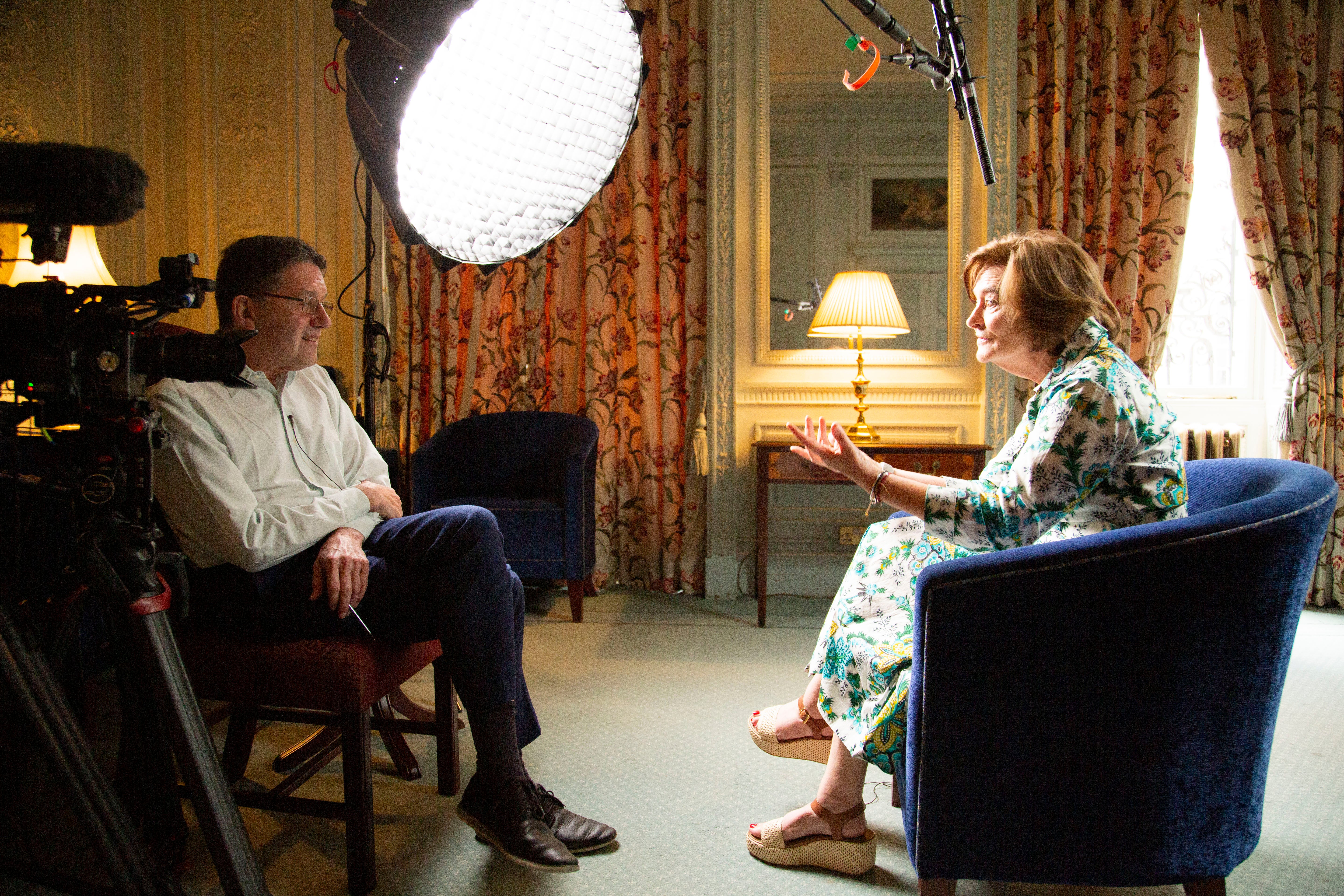
The three of his children whom I interviewed – Euan, Kathryn and Leo – have never spoken before about their father, and were relaxed, funny, and bemused. On the effect of the weight of his father’s responsibilities, Euan said, “You could see that there were moments of extreme pressure, especially when he was making momentous decisions, especially ones involving human lives. Dad’s always had this habit… you’d be talking to him … and he’ll zone out and think about something completely different, and you’d see the … zone out moments ratchet up as more was on his shoulders”. And on her father’s not just sitting in an armchair with a good book, Kathryn remarked, “He doesn’t stop. I think he’s busier than he was then.” Why is that? “Because he’s just not finished. He wants to do the work that he set out to do, and so, he won’t stop.”
We talked to critics and to colleagues – some of whom were themselves intriguingly severe. Peter Mandelson, whom I managed to interview the day before he flew to Washington to take up his then post as UK ambassador to the US, arrived distracted by the myriad tasks he still had to complete before the day was over, but in the 55 minutes we had with him, he both praised and criticised his former boss. That interview took place a year ago, before the extent of his relationship with Jeffrey Epstein emerged.
Living on Planet Blair for several months was a fascinating experience: even some of those who were his greatest opponents couldn’t help but admire his extraordinary skill set. Interviewing Blair at length, I could see for myself his phenomenal ability to persuade and charm – but also his still razor-sharp mind. He needs no spin doctor or PR person to advise him on how to deal with difficult questions – and he seems comfortable in his own skin.
Former president Bill Clinton, describing an argument they had, told me, “as we say at home, he could talk an owl out of a tree”.
‘The Tony Blair Story’ is on Channel 4 at 9pm on 17, 18 and 19 February and available on streaming
Join our commenting forum
Join thought-provoking conversations, follow other Independent readers and see their replies
Comments
Bookmark popover
Removed from bookmarks