The Rite of Spring: The return of the ballet masterpiece that caused a riot
When Pina Bausch premiered her 1975 version of Stravinsky’s controversial ‘The Rite of Spring’ in Germany, audiences were so angry they rang her at home to complain. Fifty years later, her version is celebrated as a major triumph. As a highly acclaimed pan-African collaborative production comes to the end of a global tour, Kathryn Bromwich talks to those involved, and finds out why the piece demands so much from its dancers
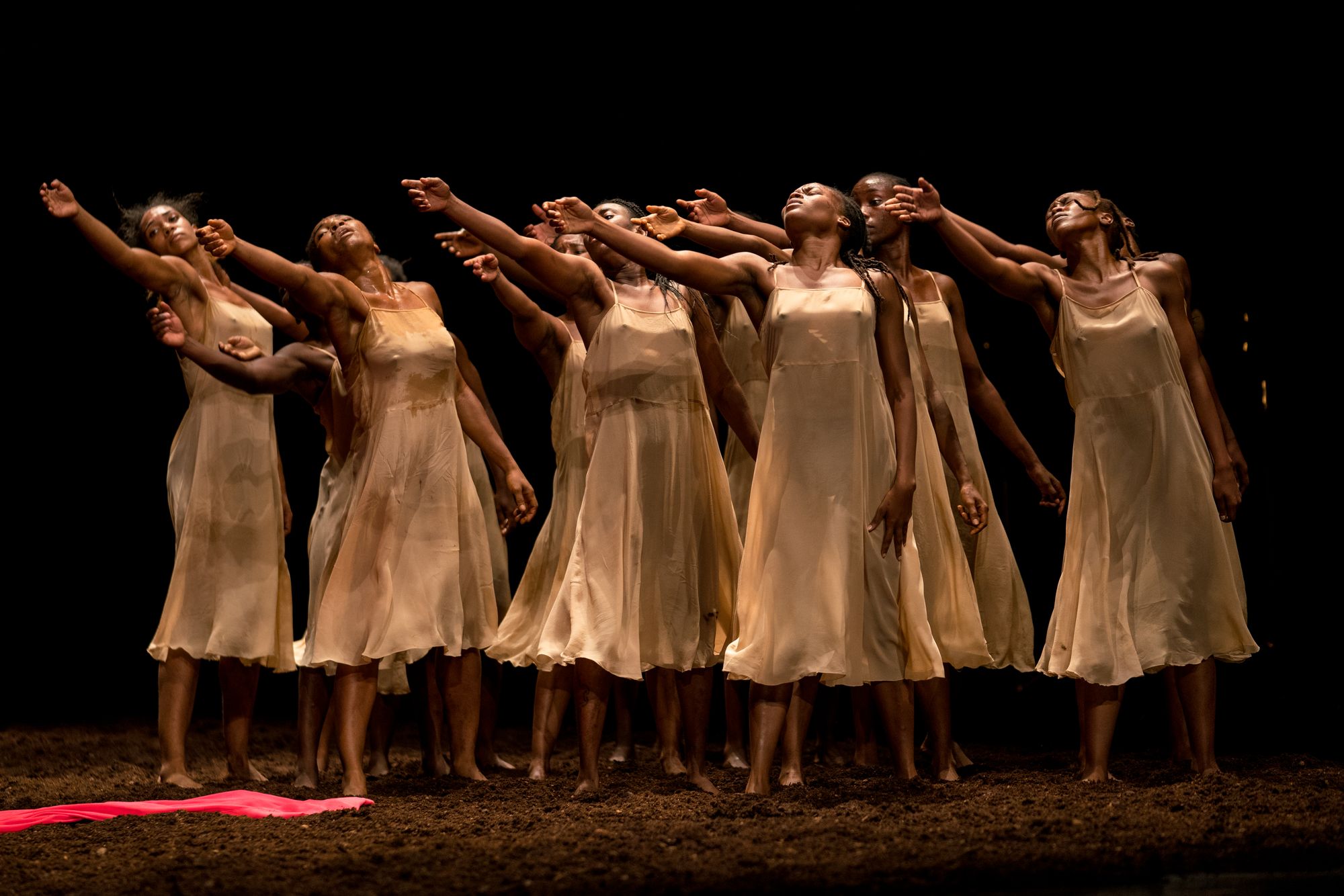
In a rehearsal studio lined by floor-to-ceiling mirrors in the Théâtre des Champs-Élysées, Anique Ayiboe is hunched in on herself, a ball of nerves. Tonight, the 33-year-old Togolese member of the African dance company École des Sables is performing the sacrificial victim in Pina Bausch’s landmark 1975 interpretation of Igor Stravinsky’s The Rite of Spring. “Before the show, every time I’m incredibly stressed,” she says, speaking in French via an interpreter. “I can’t eat, and all my fellow dancers know I’ve got a big solo coming up. When I’m performing this role, I feel like I’ve got the weight of the world on my shoulders.”
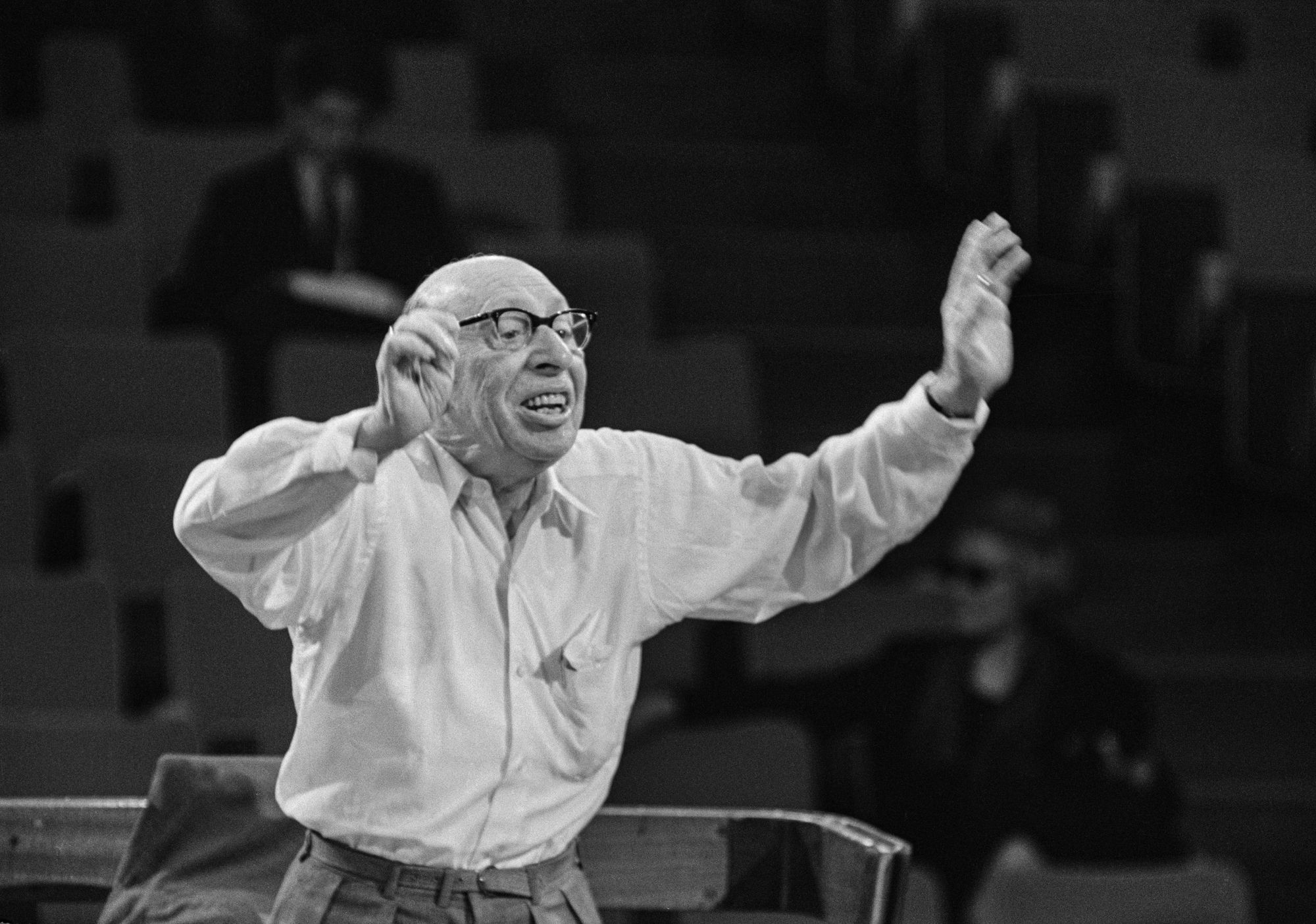
You can understand why Ayiboe might feel like this: the role – a young woman who must dance herself to death in accordance with a pagan ritual celebrating the advent of spring – is one of the most demanding in the repertoire. Not only that, but Stravinsky premiered his monumental orchestral ballet in May 1913 in this very theatre, in front of an audience that included Marcel Proust, Pablo Picasso and Gertrude Stein. What happened next has become part of ballet mythology. The audience was so incensed by Stravinsky’s polytonal, dissonant score and Vaslav Nijinsky’s jagged, angular choreography, not to mention the events on stage, that people began fighting one another and throwing vegetables. Stravinsky later wrote that he was so disgusted and upset by the mocking laughter that greeted the first bars of the Introduction, he left the auditorium to watch the rest of the performance from the stage wings.
The ballet is now regarded as a modernist masterpiece, routinely performed on major stages worldwide. Yet throughout the 20th century, the piece continued to provoke. When Bausch premiered her version in 1975 in Wuppertal, northwest Germany – a visceral interpretation in which the stage is covered in damp earth that clings to the bodies of the performers as the dancing becomes ever more frenzied – audience members were perplexed. “Whoever in the public liked it, loved it,” says Josephine Ann Endicott, 75, who danced the sacrificial role in the original staging as part of Bausch’s dance company, Tanztheater Wuppertal. “But those that didn’t were getting up, walking out, slamming the doors very rudely, so that we all heard it. Pina was having telephone calls at home: ‘I hope on your next tour to Asia, the plane breaks down.’ You had to believe in what we were doing, and I believed in her. She could make something beautiful out of almost nothing – a single gesture.”
-in-Bacchae-at-the-National-Theatre--Photographer-Marc-Brenner-ONE-01143.jpg?quality=75&width=230&crop=3%3A2%2Csmart&auto=webp)
.jpeg?quality=75&width=230&crop=3%3A2%2Csmart&auto=webp)

The Rite of Spring came two years after Bausch took over as director of Tanztheater Wuppertal, and seven years after her first choreographed piece, 1968’s Fragments. Thanks to its emotional intensity and muscular physicality, The Rite of Spring brought her international recognition, which was further cemented by 1978’s Café Müller, in which dancers use tables and chairs as props. Within a few years, Bausch and her company were embraced by the dance world, attracting audiences from further afield. “Then everybody wanted to come and see us. And now you can hardly get a ticket – not only Rite of Spring, but many pieces by Pina.” The role of the sacrificial dancer, meanwhile, is now one of the most revered in modern ballet. “It’s the solo of all solos,” says Endicott. “But it’s not Swan Lake. You know that in this moment where you have been chosen, you have three minutes to dance yourself to death. You have no other option: it’s an inescapable death. You are giving all you possibly can, stretching your body, breaking your body. It’s fierce, it’s dynamic. You are giving everything until you drop.”
To mark this year’s 50th anniversary of Pina’s Rite of Spring, the production in Paris is one of several revivals happening globally, from Taiwan to Munich to Rome. Yet this staging feels particularly special. It’s the result of an ambitious, continent-spanning collaboration between the Pina Bausch Foundation, Sadler’s Wells and contemporary African dance company École des Sables that has been years in the making. The project was proposed by former Tanztheater Wuppertal performer Jorge Puerta Armenta, who suggested asking a cast of African dancers to respond to Bausch's Rite of Spring.
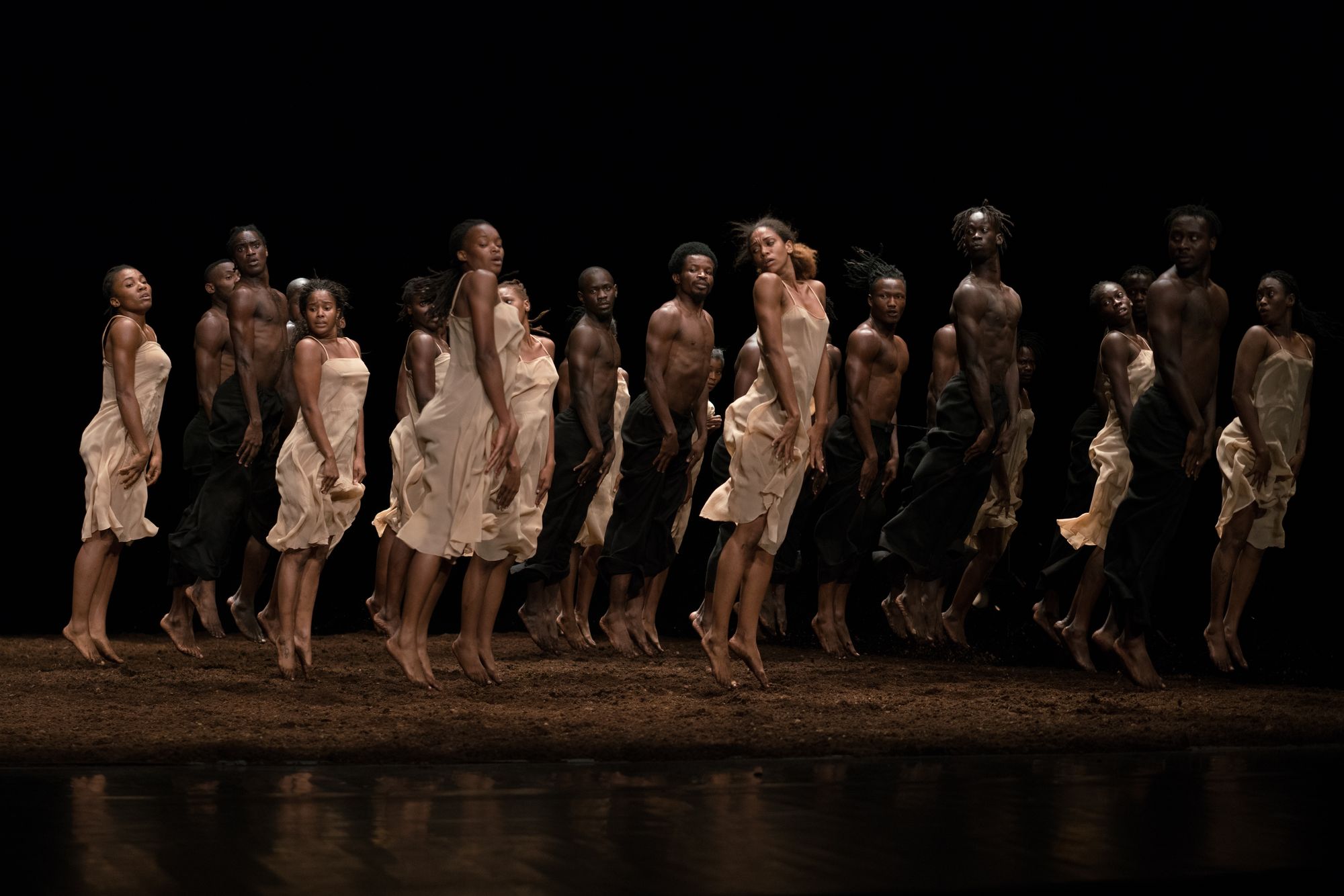
Germaine Acogny, founder of the École des Sables and widely regarded as the mother of contemporary African dance, was enlisted to help with the audition process. More than 200 dancers from across the African continent sent in video tapes, of which 137 were invited to workshops in Senegal, Burkina Faso and the Ivory Coast. In the end, a collective of 38 dancers from 14 African countries was assembled; roughly half the cast had trained at École des Sables and half came from diverse backgrounds including professional companies and traditional or urban dance training in their home countries. Endicott and Armenta oversaw the restaging and rehearsals, with Acogny providing artistic guidance and support.
Although Acogny and Bausch never worked together, they met on several occasions and admired each other’s work. Today, Acogny is an elegant and stately 81-year-old, in flowing clothes, and speaks with gravitas and authority. She remembers a particular evening after a festival performance of the 2008 piece Les Écailles de la Mémoire, choreographed by Acogny and Jawole Willa Jo Zollar, when Bausch joined her for dinner. “I always found Pina to be a little sad,” she says, “but that evening she smoked her cigarettes, and I smoked my pipe, and we drank together and laughed a lot – I found her funny and pleasant.” A few months later, in June 2009, she found out Pina had died.
Acogny sees this Rite of Spring as a continuation of the dialogue that started that night. In a way, she says, the style of dance is a natural fit for a pan-African collective: “There are movements, undulations and twists that are very similar to a lot of African styles of dance. And the fact that it’s performed on earth, it’s very grounded in the soil, which is something else that could be compared to a lot of African dances.” On the other hand, Ayiboe points out, the dance was designed with Pina Bausch’s body in mind, inspired by the contortion-heavy Graham technique. “It’s a very difficult style of dance for African bodies – for me, and I’ve seen it in my colleagues. Our dances are usually much closer to the ground, less lengthened. It’s a real challenge.”
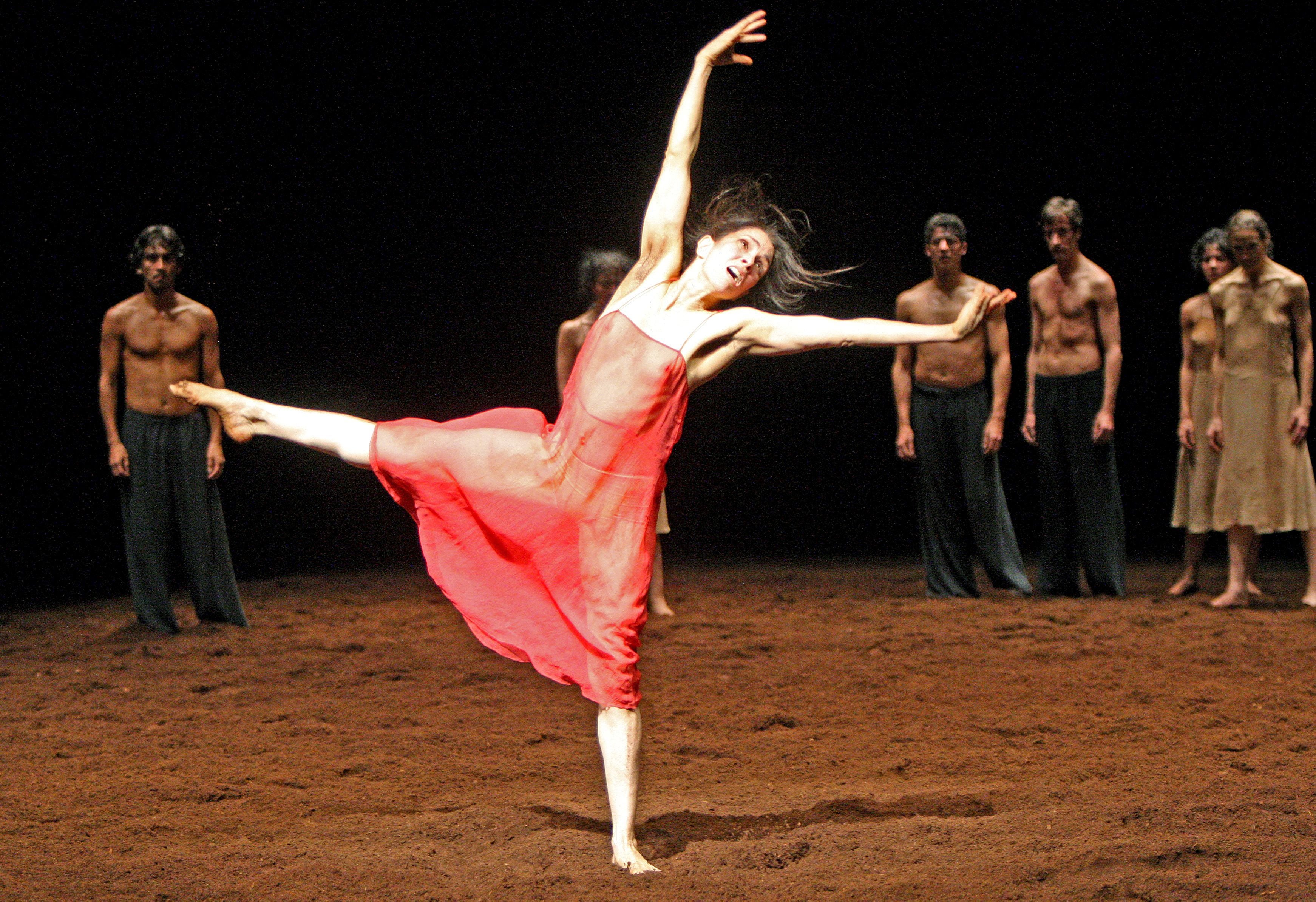
The production was initially delayed for a year by the pandemic. The premiere had been scheduled for 25 March 2020 in Dakar, Senegal, when everything was shut down. To mark the occasion, an impromptu live performance was recorded on a beach in Toubab Dialaw, in a haunting short film entitled Dancing at Dusk, giving dancers a sense of closure before they all dispersed back to their respective countries. “Although it was a big disappointment, the pandemic gave us a year to rehearse,” says Acogny. “There was a process of the music maturing within the dancers’ bodies.” When restrictions were lifted a year later, the troupe were fully rehearsed and ready for the stage: “With the first performance in Madrid, they shot out like an arrow.” Everywhere they have performed, she says, they have received standing ovations. After a five-year global tour, the production is drawing to a close: following this five-night run in Paris, the final performance will take place in Geneva on 7 October.
Still, the production has faced a number of logistical and organisational hurdles. The first was transporting 17,000 pounds of soil around the world to each new location: a particular kind of peat – recently exchanged for a more sustainable soil derived from coconut trees – chosen for its specific appearance and texture. The other ongoing concern was visas: a “huge problem”, according to Acogny, and as a result some dancers have not been able to perform. Yet the benefits of persevering are obvious. “It’s been a humbling, life-changing experience, to work on a masterpiece like this – it pushes you as an artist,” says Profit Lucky, a 30-year-old dancer from Nigeria who had never travelled outside of Africa prior to being cast in this production. “A project like this helps open doors for African dancers, who don’t have the funding to do what they want to do. I’ve been hoping and praying for a big opportunity like this for a long time.”
The subject of the piece is also especially meaningful, given the role of ritual ceremonies in his heritage. “Being in this project takes me back to my ancestral era: in African or Nigerian culture, when something is going wrong, you all have to come together as a community and look for a solution. Then maybe you make a sacrifice – animals, usually chickens – to appease the gods of the land.” Acogny points out that white Europeans have a similar history of sacrificial ceremonies: “When you think of sacrifice, you think of Africa, and yet the Greeks and the Romans did exactly the same thing.”
Later that evening, as the orchestra warms up, I sit in the empty theatre auditorium with Pina’s son, Salomon Bausch, who founded the Pina Bausch Foundation after her death. Bausch tells me a double bass from that fateful 1913 premiere is being used in tonight’s performance. “Last night,” he says, “the audience was so quiet – everyone was really going through the ritual and suffering with the chosen one.” He has seen this particular version of it, which he says is both “the same and completely different from” the original 1975 piece, more than 100 times. “The choreography hasn’t changed, but dancers bring in their own history, their own personality. This group has such diverse backgrounds: traditional and contemporary African dance, hip-hop, urban dance, some in ballet – that’s what I like about it so much.”
The curtain rises; the stage is covered in soil. It is a raw, bodily performance: sweat soaks through costumes, silences are filled with the sound of hands hitting flesh and dancers catching their breath. The score’s softer melodic elements become graceful, feminine movements, while bolder, forceful sounds are depicted by dynamic male dancers; at times, the boundary between the roles becomes more fluid. As she dances, Anique Ayiboe is transformed. The nerves from earlier that day are given a release: she is a live wire of energy and anguish, as though she is truly facing the imminent possibility of death. I think of what Acogny told me about the company’s performance. “The dancers are not dancing the music,” she says, “they have become the music. They are the music.”
The final performance of ‘The Rite of Spring’, co-produced by the Pina Bausch Foundation, École des Sables and Sadler’s Wells, is at Bâtiment des Forces Motrices, Geneva, on 7 October. ‘The Rite of Spring’ will be available to stream for free on the Sadler’s Wells website from 6 October to 8 December.‘ Dancing at Dusk’ is available now
Join our commenting forum
Join thought-provoking conversations, follow other Independent readers and see their replies
Comments
Bookmark popover
Removed from bookmarks