After Baby Reindeer, Edinburgh Fringe artists are refusing to sell their trauma for success
For years, trauma has been the name of the game when it comes to making a hit Fringe show. But a new wave of artists is pushing back, writes Alice Saville

What makes a hit Fringe show? It’s a drizzly Edinburgh morning, and I’m part of an impromptu focus group considering the question at the request of performer Hannah Maxwell. We’re gathered in a tiny former locker room in the bowels of Summerhall, scribbling our answers on brightly coloured Post-it notes stuck on the wall. “Word of mouth”, of course. “Scandal” – why not? And, in smaller writing, twice: “Trauma”.
Maxwell’s audaciously named new Edinburgh show Babyfleareindeerbag is an interactive, thrillingly honest insight into the brutal logic of the Fringe machine. It’s something she knows a thing or two about. Two years ago, Phoebe Waller-Bridge was one of only two audience members at Maxwell’s rave-reviewed but commercially struggling confessional solo show Nan, Me and Barbara Pravi. After this tacit nod of benediction from Fleabag herself, a media storm and sell-out success followed. And then the Fringe ended, and Maxwell was left broke and bereft of opportunities to stage a show that didn’t seem to interest audiences outside of Edinburgh. Now, this year’s provocatively named show has drawn in telly execs and industry types in droves – but in a bitterly dark irony, its interactive, meta format makes it completely incompatible with any screen adaptations or West End transfers.
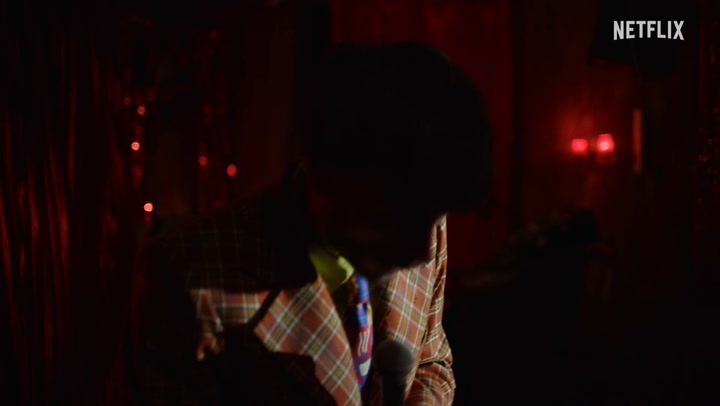
Since 2013, every female solo show has courted or bridled against comparison with Fleabag, the one-woman show that defined a certain model of Edinburgh Fringe success when it won rave reviews in 2013, then became a widely loved BBC series. Then six years later came Richard Gadd’s Baby Reindeer, meaning that, in a big stride for gender equality, there was now an equally oppressive model of success for male solo shows too. (Smash that glass ceiling, lads!) And with it, too, came a powerful incitement for performers to bear their souls, treating the theatre as a twisted confessional where outlandish admissions are met with applause, not earnest requests for healing repentance. Gadd’s show (subsequently adapted into a hit Netflix series) was a haunting narrative of pushing himself to the edge, into abusive relationship dynamics, addiction and abject depression.
For a while, it seemed as though Fringe artists might follow suit. But this year, there’s an outbreak of shows that, like Babyfleareindeerbag, refuse to serve up the neatly packed parcel of trauma that the Fringe seems to demand. And as the outside world grows increasingly depressing, their dissent is a relief.
In Summerhall the day before, an usher was midway through announcing that today’s performance of Centre of the Universe will be delayed due to cast illness when I saw writer and performer Gaia Mondadori prance triumphantly on stage, bleeding from a head wound and wearing a bedazzled hospital gown. Thankfully, she’s totally fine. What follows is a frenzied, odd and often very funny satire of the lengths that performers will go to for fame. Mondadori has the frenetic, girlish energy of an Alice in Wonderland who, instead of nibbling a cake marked “eat me”, has swallowed the whole of TikTok in a single bite. Her strange narrative follows protagonist Mary in a downward spiral of self-imposed, image-obsessed suffering that feels increasingly detached from reality. Or is it? The Edinburgh Fringe does demand formidable levels of self-belief – or self-delusion – from artists brave enough to bring up solo shows. And perhaps that confidence is easier to find when you have a uniquely painful story to tell.


Lena Dunham brilliantly skewers that writerly hunger for real pain to draw on in her HBO show Girls. Aspiring writer Hannah Horvath is consumed not with sympathy, but envy when her literary rival’s boyfriend dies by suicide. What fantastic material for a book, Hannah thinks to herself, silently seething.
In other societies, pain is a much less rare commodity. Palestinian comedian Alaa Shehada’s performance, The Horse of Jenin, makes it clear that the trauma-saturated solo show is a model that works far better in the affluent West, where the unspoken expectation is that life should be largely free from suffering. In occupied Palestine, things are altogether different. He remembers his training at The Freedom Theatre in Jenin in the West Bank, where aspiring Palestinian performers were trained by Western theatremakers: some excellent, some less so. He mimics one earnest, hopelessly out-of-touch visiting American in hilarious style. “We jump deep into the trauma,” he says, miming a swimming pool-style dive, before landing the punchline: “She went back to America... traumatised.”
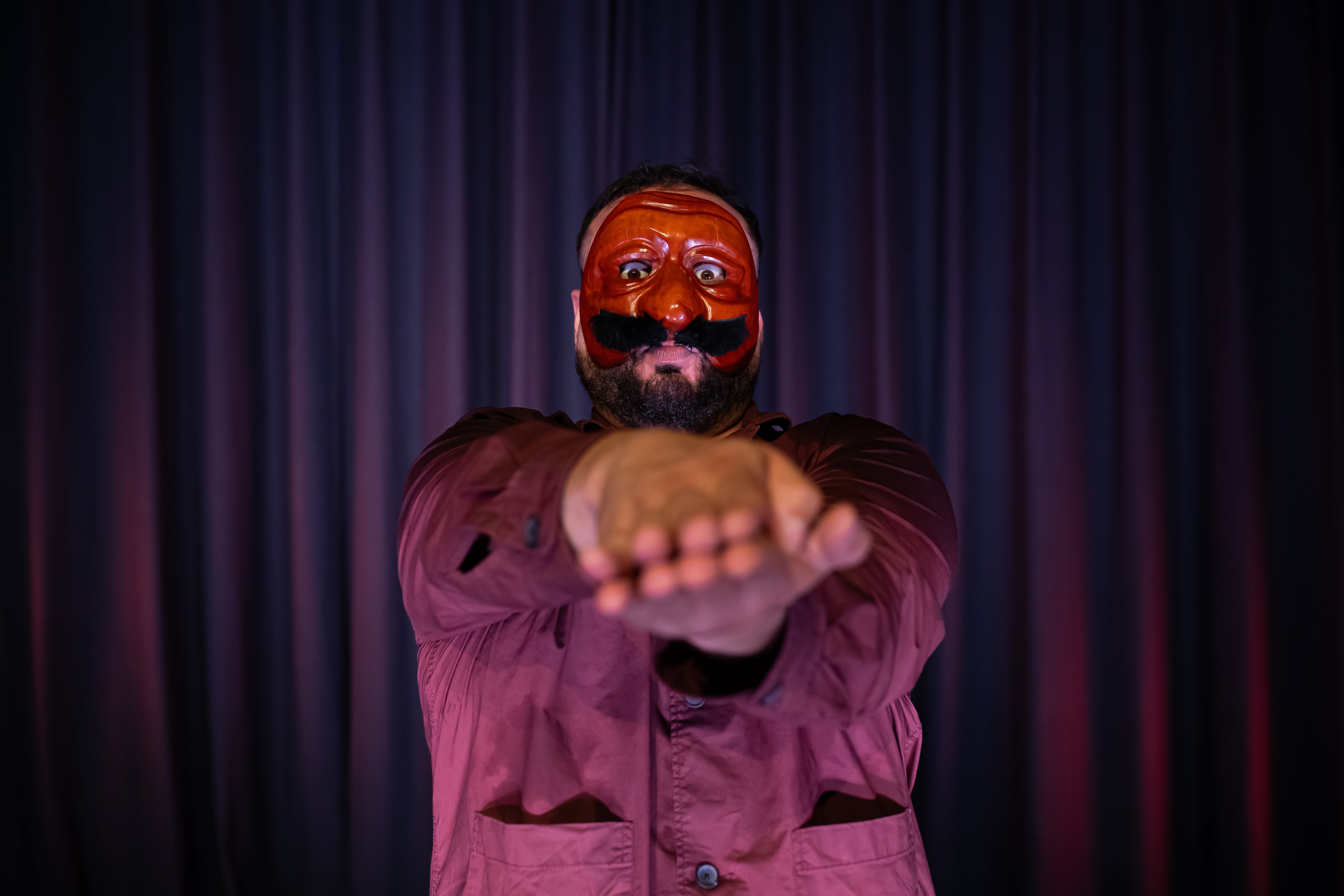
He delivers his lines in a reverberating booming voice that could fill a venue six times the size. It’s loud enough to be heard over what he describes as the ambient sounds of a performance in Palestine: audience members taking phone calls to their mums, and blaring sirens outside. The expectation that there will be silence for an artist to whisper their traumas into is a privileged one, perhaps.
Sometimes it might feel like audiences are hungry for pain. But as Hannah painstakingly learns in Girls, what they actually want is authenticity: art that feels vulnerable and dangerous, without devolving into a therapy session that the audience is unqualified to supervise. In years gone by, I’ve seen several Fringe productions that have left me genuinely worried for the mental health of the performer, and concerned over the emotional impact that repeating their darkest moments day after day – on a diet of little sleep, too many beers, and endless self-flagellating stints pressing flyers on indifferent passers by – will inevitably have on them.
Sharing things about yourself is only therapeutic if you’re in a non-judgemental space. And with its tough critics, brutal financial pressures, and increasingly scarce audiences, the Edinburgh Fringe is the very opposite of that. As Maxwell’s Babyfleareindeerbag ultimately argues, bringing a show to the Fringe these days is dangerously close to becoming a traumatic event in and of itself: so it’s a relief that on stage, at least, performers are looking after themselves – and their audiences too.
Join our commenting forum
Join thought-provoking conversations, follow other Independent readers and see their replies
Comments
Bookmark popover
Removed from bookmarks