Pussy Riot labelled ‘extremist organisation’ in latest Kremlin crackdown
Decision follows a court judgment that saw five members of the group sentenced in absentia to up to 13 years in jail
The Russian anti-Kremlin feminist punk collective Pussy Riot has been officially designated an extremist organisation by a Moscow court, effectively banning its activities within Russia.
The ruling, announced on Monday by Moscow's court service, came at the request of the General Prosecutor's Office.
This decision follows a September court judgment that saw five members of the group sentenced in absentia to up to 13 years in jail.
They were found guilty of spreading what authorities termed "lies" about the Russian army. The group's members, who have been labelled "foreign agents" by the authorities, previously rejected these charges, asserting they were politically motivated.
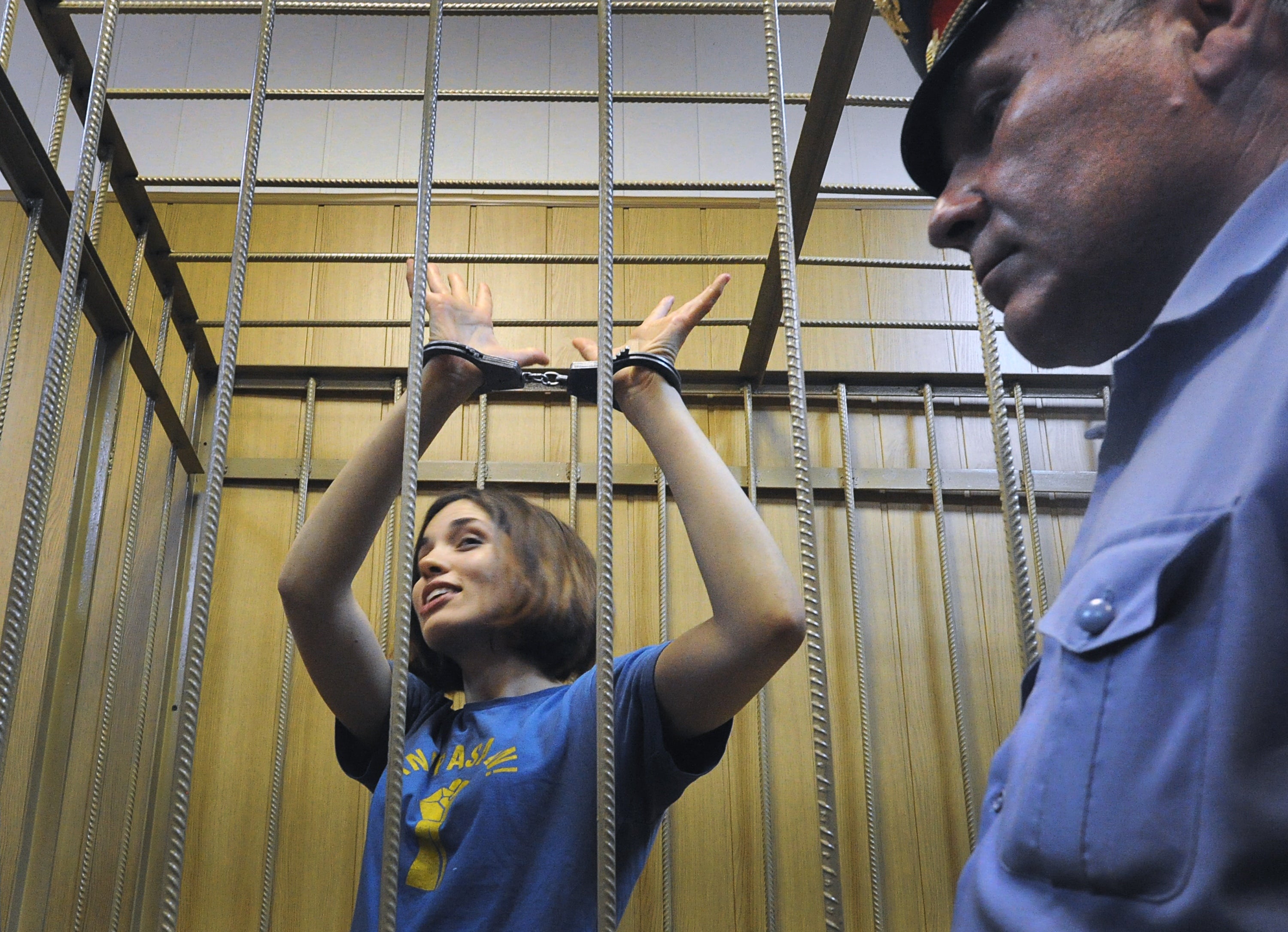
Pussy Riot, whose members are currently outside Russia, gained global recognition in 2012 after being imprisoned for staging a protest against President Vladimir Putin in a Russian Orthodox cathedral in Moscow. The collective has since become a prominent symbol of anti-Kremlin dissent, particularly in its opposition to Moscow's war in Ukraine.
Nadya Tolokonnikova, the group's founder, who resides in the United States and is sought for arrest by Russian authorities, last month dismissed the move to brand the group as extremist. Writing on X, she stated: "If telling the truth is extremism, then we are happy to be extremists."
Follow band member Maria Alyokhina fled Russia in 2023, disguised as a food courier, after criticising Vladimir Putin’s regime.
After being released from prison, she continued her activism and was in April 2023 placed on house arrest to crack down on protesters who were against Russia’s “special military operation” in Ukraine.
Ordered to spend 21 days in a penal colony, she managed to find a way to escape Moscow police, disguising herself as a food courier in the process.
The 33-year-old was then able to cross into Lithuania after seeking the help of an artist from Iceland who secured her travel documents.
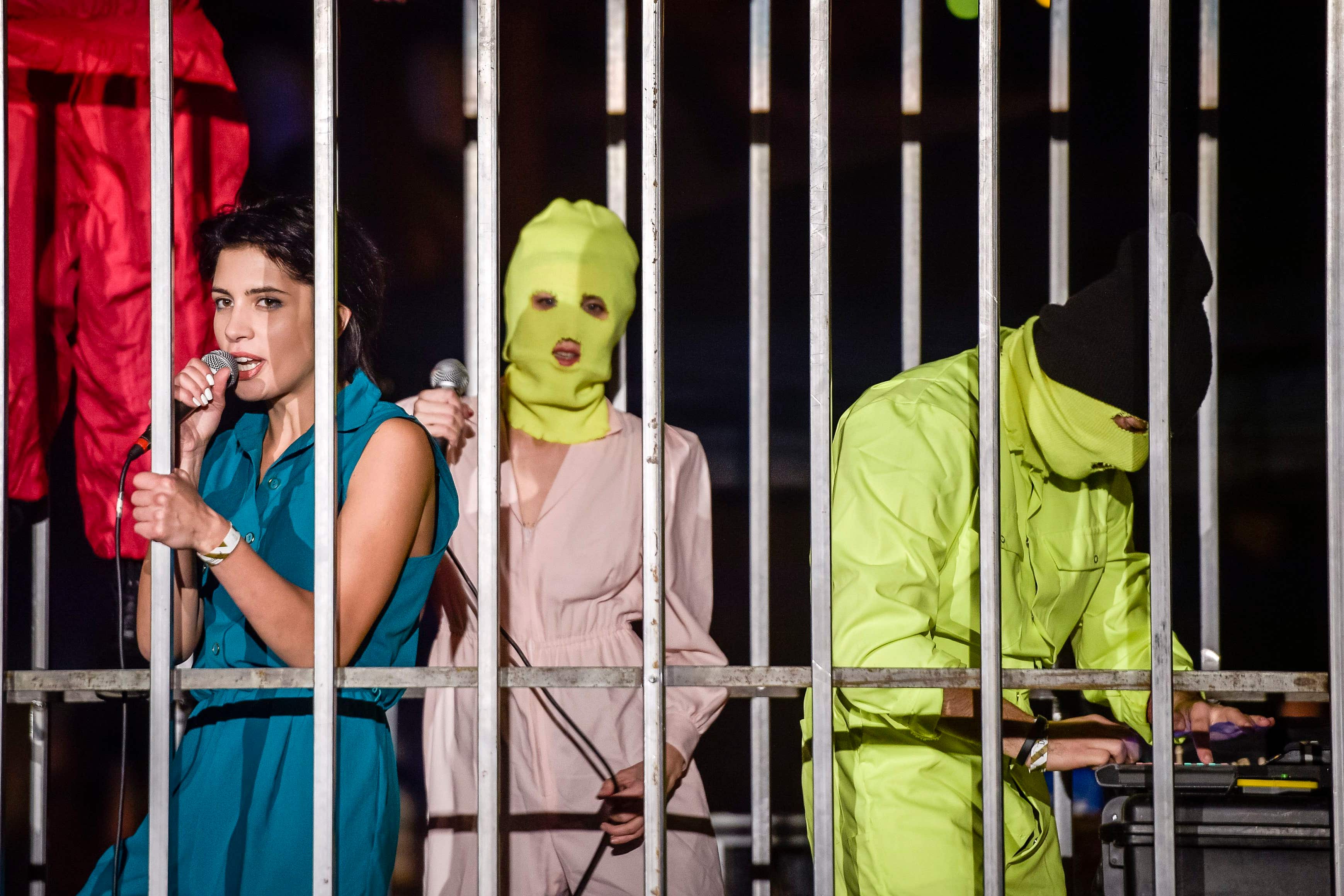
When Ms Alyokhina arrived at the Belarus-Lithuania border, she found that she had been placed on a Russian “wanted” list, and was refused entry on account of her Russian passport having been confiscated by authorities.
Ms Alyokhina said she was eventually let through on her third try as she had friends outside the country helping her, including Icelandic performance artist Ragnar Kjartansson.
Pussy Riot first came to the attention of Russian authorities in 2012 when they staged a protest inside Moscow Christ the Saviour Cathedral.
Join our commenting forum
Join thought-provoking conversations, follow other Independent readers and see their replies
Comments
Bookmark popover
Removed from bookmarks