Bears, balaclavas and cigarette-chomping farmers: Inside the most complex nature documentary of the year
A controversial act to reintroduce bears into the Pyrenees proved fruitful ground for British filmmaker Max Keegan
High in the mountains of the Pyrenees, brown bears are being airdropped back into the wild, following more than two decades of absence – the product of hunters wiping out the animals to protect the livelihoods and communities of the local shepherds. For conservationists, the move is essential, and morally right. But to those who call the mountains home, it’s tended to go down badly.
For British filmmaker Max Keegan, the conflict between both parties felt like fruitful material for a documentary. “It’s a conflict in which I can understand both sides of the debate,” he explains. “And I think both sides are right to be upset.”
The result is The Shepherd and the Bear, a breathtaking new film that basks in the vast vistas of the Pyrenees mountains, and humanises a conflict that has a tendency to become didactic and occasionally slightly mad (at one point members of the anti-bear camp don balaclavas and film intimidating videos to warn off the threat).
Keegan spent two years ingratiating himself to the community, learning to speak French in the process. “It was really hard,” he recalls. “Traditionally, the debate has been presented quite negatively in French media, with the agricultural community pretty commonly characterised as ill-educated. Similarly, on the ecological side, feelings run so high that they’re used to being targets of abuse.”
There was an early assumption that Keegan, too, would reduce both sides to petty stereotypes. “For good reason, I was mistrusted for being a journalist. Even when I said I was making a very different kind of documentary, I was still thought of as a journalist.”
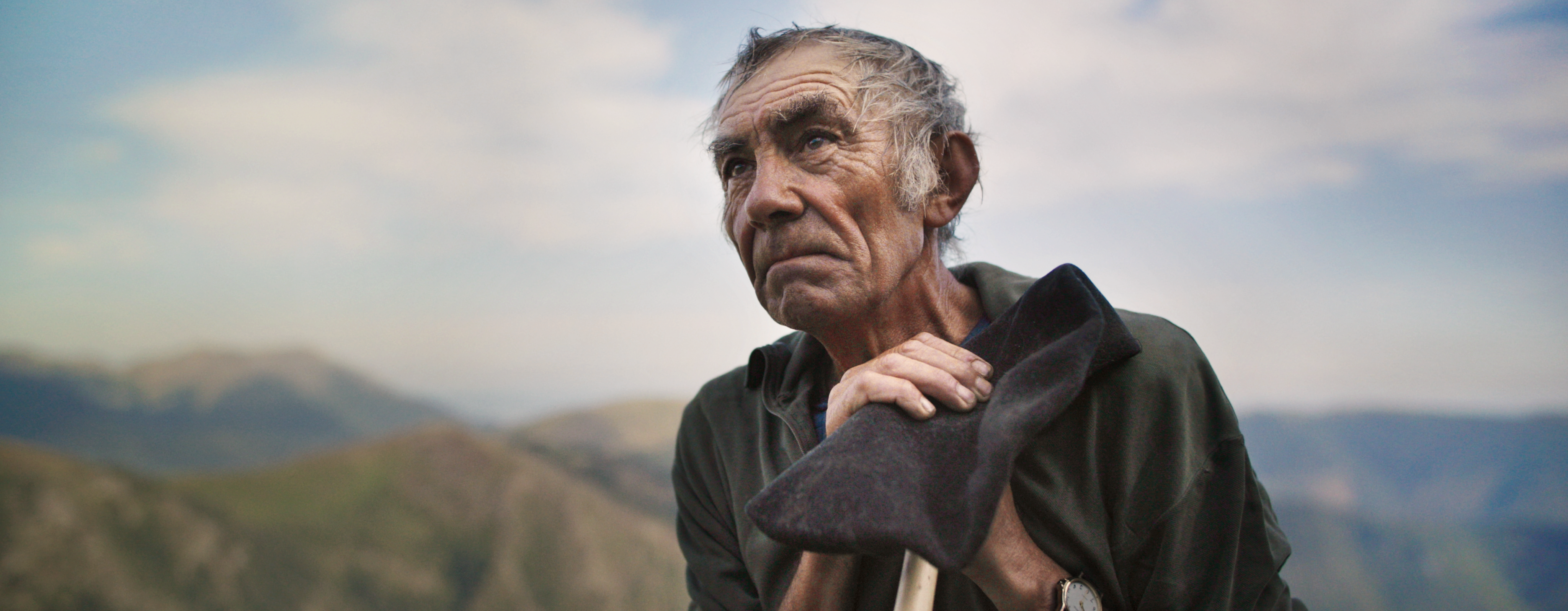
The key, he continues, was finding the right people to follow. One was Yves, a 63-year-old farmer with a cigarette perpetually dangling from his mouth, who was vehemently against the reintroduction of the bears. The other was Cyril, a young farmer’s son with a passion for nature photography, and who has dreams of joining the agency responsible for the bears’ return.
“We didn’t want a film that preached about a particular solution, or privileged one kind of reading of the scenario,” Keegan says. “It was more about discovering their own character arc, and their own lives.”
It means his film is complex and knotty, revelling in the contradicting feelings the reintroduction of the bears inspires: a way of life is endangered, and must continue; the natural world is fundamental, and probably shouldn’t be meddled with; the young have dreams, and ought to be respected. There are no easy answers, but plenty of perspectives to provide viewers with food for thought.
For Keegan himself, the film had an even greater impact. “It made me question what we’re collectively doing at the moment, and actually how good a deal people our age are getting,” he says. “So many of us are struggling with money, and will never own houses. We’re depressed. We’re stuck scraping up the crumbs of the generations that have gone before us. But there is another life that is possible. We just need to be brave enough to jump into it. And get to it before it disappears.”
‘The Shepherd and the Bear’ is in cinemas
Join our commenting forum
Join thought-provoking conversations, follow other Independent readers and see their replies
Comments
Bookmark popover
Removed from bookmarks