The Independent's journalism is supported by our readers. When you purchase through links on our site, we may earn commission.
Brad Pitt’s F1 somehow got an Oscar nomination for Best Picture - here’s what should be on the podium instead
Following in the high-octane slipstream of ‘Top Gun: Maverick,’ Joseph Kosinski’s formulaic Formula 1 blockbuster is up for the most prestigious prize the Oscars have to offer. Kevin E G Perry argues that in their rush to venerate box office achievement, the Academy has forgotten what the award is really about
Start shaking up the champagne and prepare Brad Pitt for a drenching: F1 could be on its way to Oscar glory. The glossy longform advert for the world’s most expensive car race, or F1® the Movie as it prefers to be known, sent shockwaves around Hollywood when it was included this morning on the Academy’s 10-strong list of nominees for Best Picture.
Many critics were not amused. This, after all, is a film that was dismissed as a “vanity project” when it was released last June. “F1 in Best Picture is like the real life version of the clown soldier lined up with the other soldiers,” observed writer Shea Serrano, referring to a popular meme, while The New York Times sighed: “What are we doing here guys?”
Keen observers of the Academy Awards were less surprised. After all, the whole reason the Academy increased the number of Best Picture nominees from five to ten back in 2009 was because they were fed up of people grumbling that wildly successful, crowd-pleasing movies like The Dark Knight and Wall-E were being consistently overlooked for consideration for their most prestigious award. Being able to include F1 on the metaphorical podium is exactly the sort of situation they had in mind.
Indeed, there was a direct foreshadowing just a few years ago in 2023, when director Joseph Kosinski’s previous film Top Gun: Maverick was also nominated for Best Picture. That decision was considered something of a surprise at the time, and was largely attributed to recognition of the film’s imperious performance at the global box office. After banking a staggering $1.49 billion dollars, it was credited by some industry observers with single-handedly saving the idea of going to the movies. If a popular film gets that many eyeballs on it, ran the logic, doesn’t the Academy look out of touch if it ignores it completely?
While F1 didn’t reach Top Gun: Maverick levels of financial lift off, it did pull in a throughly respectable $631 million at the box office. For context, it reportedly cost between $200 and $300 million to make, and a further $100 million to market. Even if critics found the tale of Pitt’s high-speed comeback formulaic, the film did earn plaudits for its technical achievements and is also nominated for Best Visual Effects, Best Film Editing and Best Sound. Maverick was likewise nominated in all those categories, along with Best Adapted Screenplay and Best Original Song. It ended up winning just one Oscar, for Best Sound, which provides a decent indication of what F1 can realistically actually expect on the night.
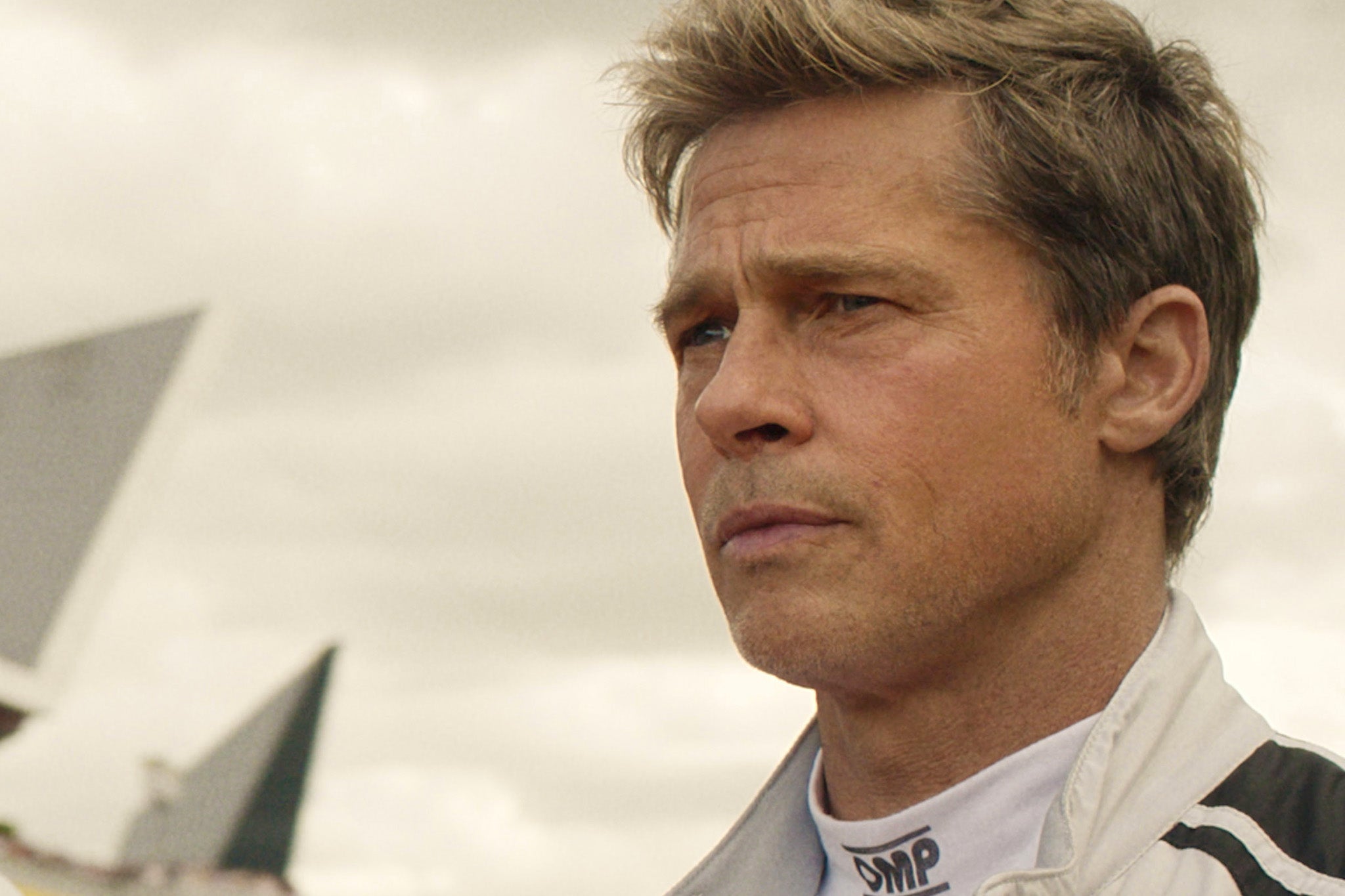
The real shame about F1’s Best Picture nomination, however, is the missed opportunity for lesser-seen films to have their moment in the limelight. There are countless movie fans out there who treat the announcement of the nominations for Best Picture as a guide for what they may have missed in the previous year, and will go out of their way to make sure they’ve remedied that by the time the March 15 awards ceremony rolls around.
It’s tough to make the case that F1, expensively bankrolled and promoted by Apple TV+, needs the airtime. Instead, that spot and extra attention could have gone to films like Richard Linklater’s Blue Moon, a film which can now boast an Oscar-nominated screenplay and an Oscar-nominated leading man in Ethan Hawke, but was overlooked in the Best Picture category. Or that coveted final place could have gone to Zach Cregger’s strange and provocative horror Weapons, for which Amy Madigan might win a Best Supporting Actress Oscar.
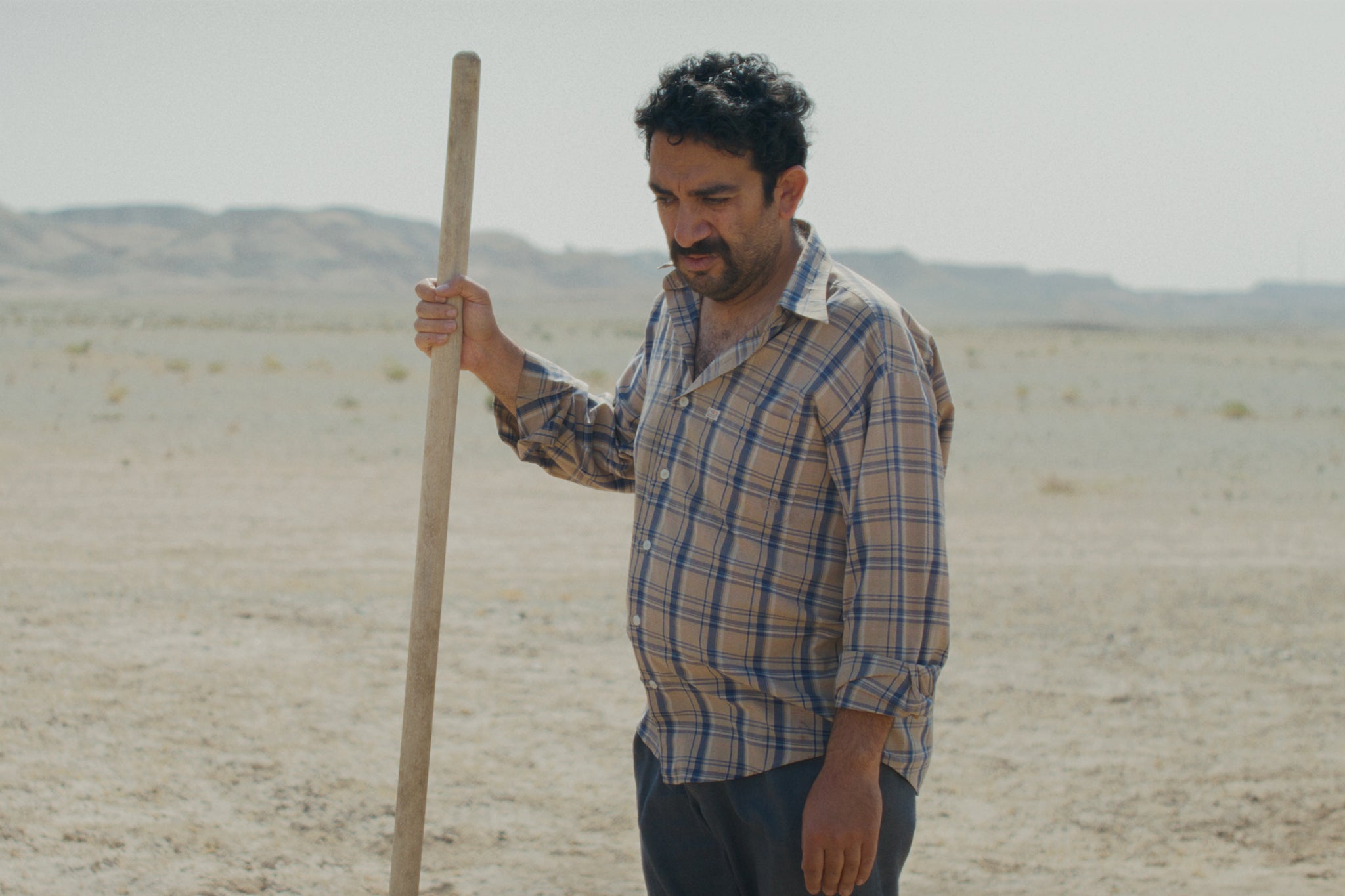
Ask the critics, and they’ll tell you there are even more glaring snubs. Jafar Panahi’s It Was Just an Accident triumphed at the Cannes Film Festival last year, yet has now become the first Palme d'Or winner since Titane in 2021 not to be nominated for Best Picture at the Oscars. In a rave five-star review, The Independent’s Clarisse Loughrey called it “a film of overwhelmingly visceral emotion” that “challenges us to have the fortitude to laugh in the face of darkness.” It is nominated in the Best International Film category, but how many more viewers might have given it a chance if it was up for the top prize too?
Then there’s Sorry, Baby, the A24 film from writer-director Eva Victor that had confirmed fan Julia Roberts onstage at the Golden Globes urging viewers: “If you have not seen it, see it.” That also earned five stars from our critic, who called it a “remarkable depiction of assault and survival.” It was ignored in every single Oscars category.
For my money, I’d have given that tenth Best Picture nomination to No Other Choice, Park Chan-wook’s wickedly funny new black comedy about a man driven to murder after losing his job. Also entirely overlooked. Any of these films would have undoubtedly benefitted massively from the boost a Best Picture nomination can deliver. Instead, the coveted spot went to a well-oiled machine that, in terms of wall-to-wall promotion, had already lapped the competition several times over. The Academy could use its stage to amplify these voices. Instead, they each risk being drowned out by the roar of a $300 million engine.
Join our commenting forum
Join thought-provoking conversations, follow other Independent readers and see their replies
Comments
Bookmark popover
Removed from bookmarks