Catholicism sees steep decline in Latin America, with more people identifying as religiously unaffiliated
The study encompassed adults in six of the region's most populous countries: Argentina, Brazil, Chile, Colombia, Mexico, and Peru
Catholicism is experiencing a significant decline across Latin America, with a growing number of adults in the region now identifying as religiously unaffiliated, describing themselves as atheist, agnostic, or simply "nothing in particular."
This shift marks a substantial change in a region historically considered a stronghold of the Catholic faith.
These are among the key findings of a report released by the Pew Research Center, based on surveys conducted in early 2024.
The study encompassed adults in six of the region's most populous countries: Argentina, Brazil, Chile, Colombia, Mexico, and Peru, which collectively represent approximately 75% of Latin America’s population.
Kirsten Lesage, a Pew research associate and lead author of the report, stated: "Our analysis found that the Catholic share of the population in Argentina, Brazil, Chile, Colombia, Mexico and Peru — which collectively make up about 75% of Latin America’s population — has significantly declined since 2013-14, while a growing share of adults in the region are religiously unaffiliated."
While most Latin Americans remain Christian and Catholicism is still the dominant religion, the exodus from the church continues.
This region has close historical ties to figures such as Pope Leo XIV, who served for decades in Peru before being elected in 2025, and his Argentina-born predecessor, Pope Francis. The survey revealed that Catholics now constitute between 46% and 67% of the adult population in these six nations, with the religiously unaffiliated ranging from 12% to 33%.
Over the past decade, the proportion of Catholics has fallen by at least nine percentage points in each country. Concurrently, the percentage of adults without religious affiliation has risen by seven percentage points or more.

"In fact, there are now more religiously unaffiliated adults than Protestants in Argentina, Chile, Colombia and Mexico," Ms Lesage added. A decade ago, all six countries boasted Catholic majorities, with about six in 10 or more adults identifying as Catholic.
Today, roughly half of Brazilians and Chileans are Catholic, while about two-thirds of Mexicans and Peruvians, and six in 10 Argentinians and Colombians, identify as such – all figures representing a decrease from 10 years prior.
The erosion of the Catholic Church’s considerable influence in Latin America is attributed to factors including clergy sex abuse scandals and opposition to the church’s stances on abortion and LGBTQ+ rights. In countries like Argentina, many are now seeking spiritual answers beyond traditional religion, exploring practices such as yoga, tarot, and astrology.
The share of religiously unaffiliated adults has significantly increased across the region, reaching as high as approximately one-quarter of adults in Argentina and Colombia.
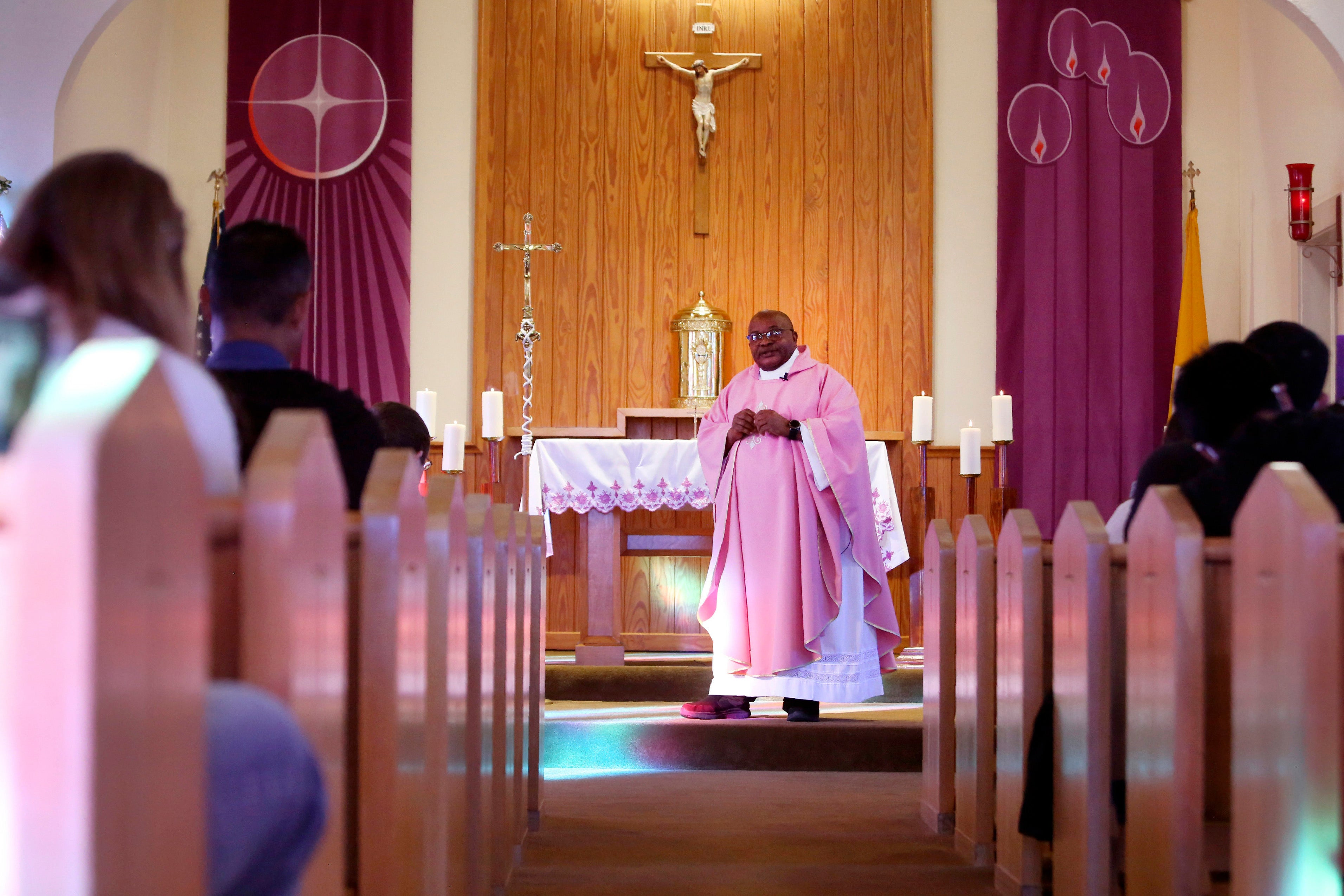
A decade ago, Pew’s research highlighted how Latin Americans born into Catholic families were increasingly converting to Protestant churches or abandoning organised religion entirely. However, since then, Protestantism has remained "relatively stable" across Latin America.
In Brazil, which has the largest percentage of Protestants among the surveyed nations, 29% of adults now identify as Protestant, a slight increase from 26% in 2013-14. The most significant shift is among those with no affiliation; for instance, about two in 10 Mexican adults identify as atheist, agnostic, or "nothing in particular," compared to roughly one in 10 identifying with any branch of Protestantism.
Despite these profound shifts in religious identity, Latin Americans largely remain deeply religious. Lesage noted: "What’s striking is that, despite these shifts in religious identity, Latin Americans remain quite religious, on average." Belief in God is widespread, religion holds deep personal importance for many, and prayer is common. About nine in 10 or more adults surveyed in each country affirm belief in God. Approximately half or more of adults in Brazil, Colombia, Mexico, and Peru consider religion "very important" in their lives, with majorities in Brazil, Colombia, and Peru reporting daily prayer.
The Pew analysis concluded that, by these measures, Latin Americans are more religious than adults in many other countries surveyed recently, particularly in Europe, where many have left Christianity since childhood. Latin Americans are also as likely to believe in God as they were a decade ago, with most of the religiously unaffiliated across the region still expressing belief in a higher power. The poll surveyed 6,234 Latin American adults between 22 January and 27 April 2024, with a margin of error ranging from plus or minus 4.0 to 4.5 percentage points depending on the country.
Bookmark popover
Removed from bookmarks