Wuthering Heights isn’t a romance – and Heathcliff told us so
For more than a century Heathcliff has been depicted as a romantic hero even though the character rejected notion
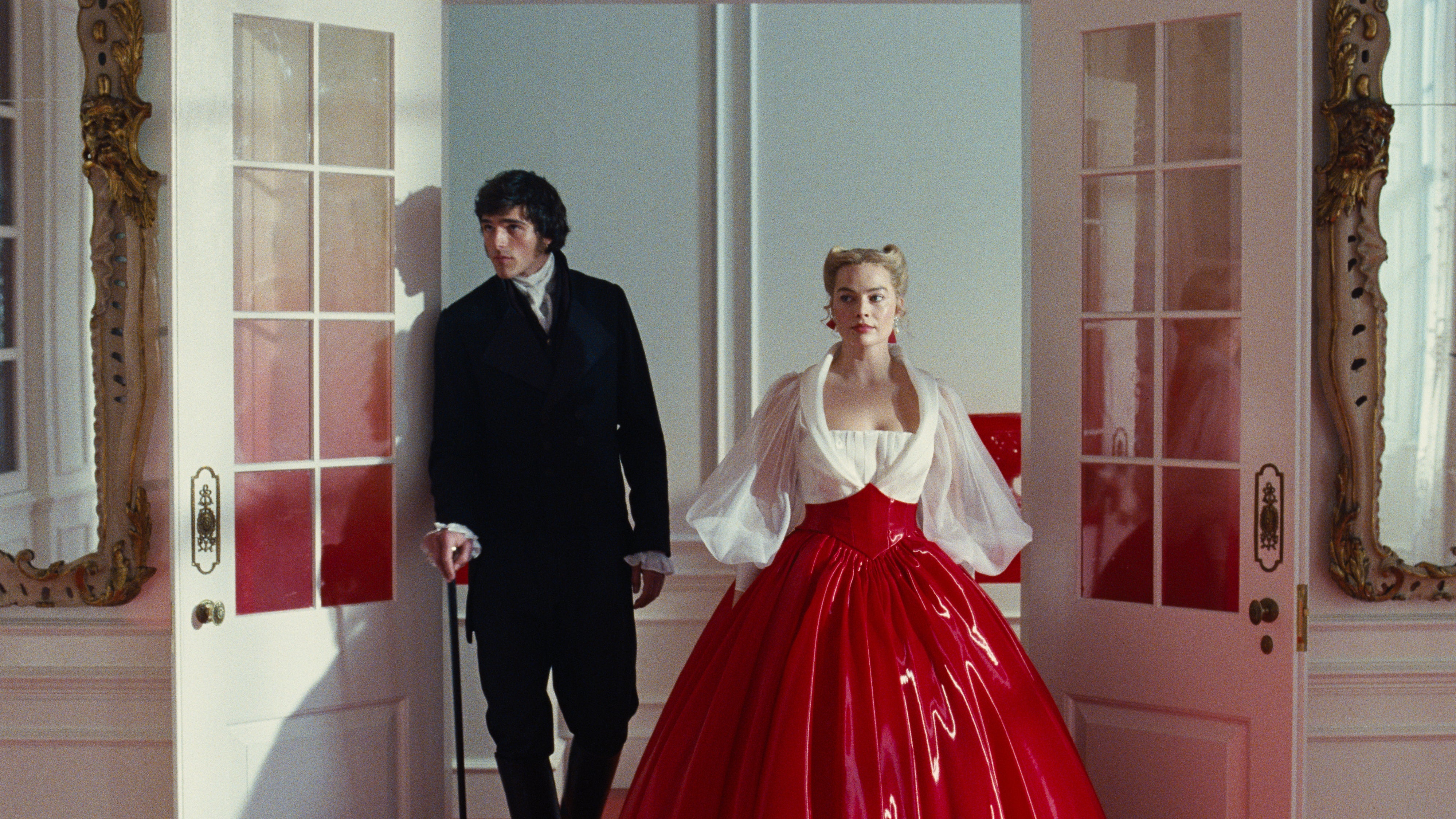
Emerald Fennell’s film of Wuthering Heights, starring Australian actors Jacob Elordi as Heathcliff and Margot Robbie as Catherine, bills itself as the “greatest love story of all time”. A poll of British readers agreed.
But what would Heathcliff think?
Heathcliff, if you’ve not read the book, seen one of the many adaptations, or heard Kate Bush’s iconic song, is the protagonist of Wuthering Heights, Emily Brontë’s sole novel (published originally under the pseudonym Ellis Bell). He’s the ethnically ambiguous foster child of the Earnshaw family, who live in the titular Wuthering Heights on the windswept, desolate Yorkshire moors: the backdrop for his obsessive, doomed relationship with his foster-sister Catherine.
In the 14th chapter of the novel, Heathcliff has just married another woman (Isabella Linton, sister of Catherine’s husband Edgar). The novel’s narrator, housekeeper Nelly Dean, chastises him for how badly he’s treating her. Isabella loves him, Nelly tells Heathcliff reproachfully, or she would not have abandoned the comforts of her home in the warm, welcoming, comfortable Thrushcross Grange to marry him and live him in the cold, dreary Wuthering Heights.
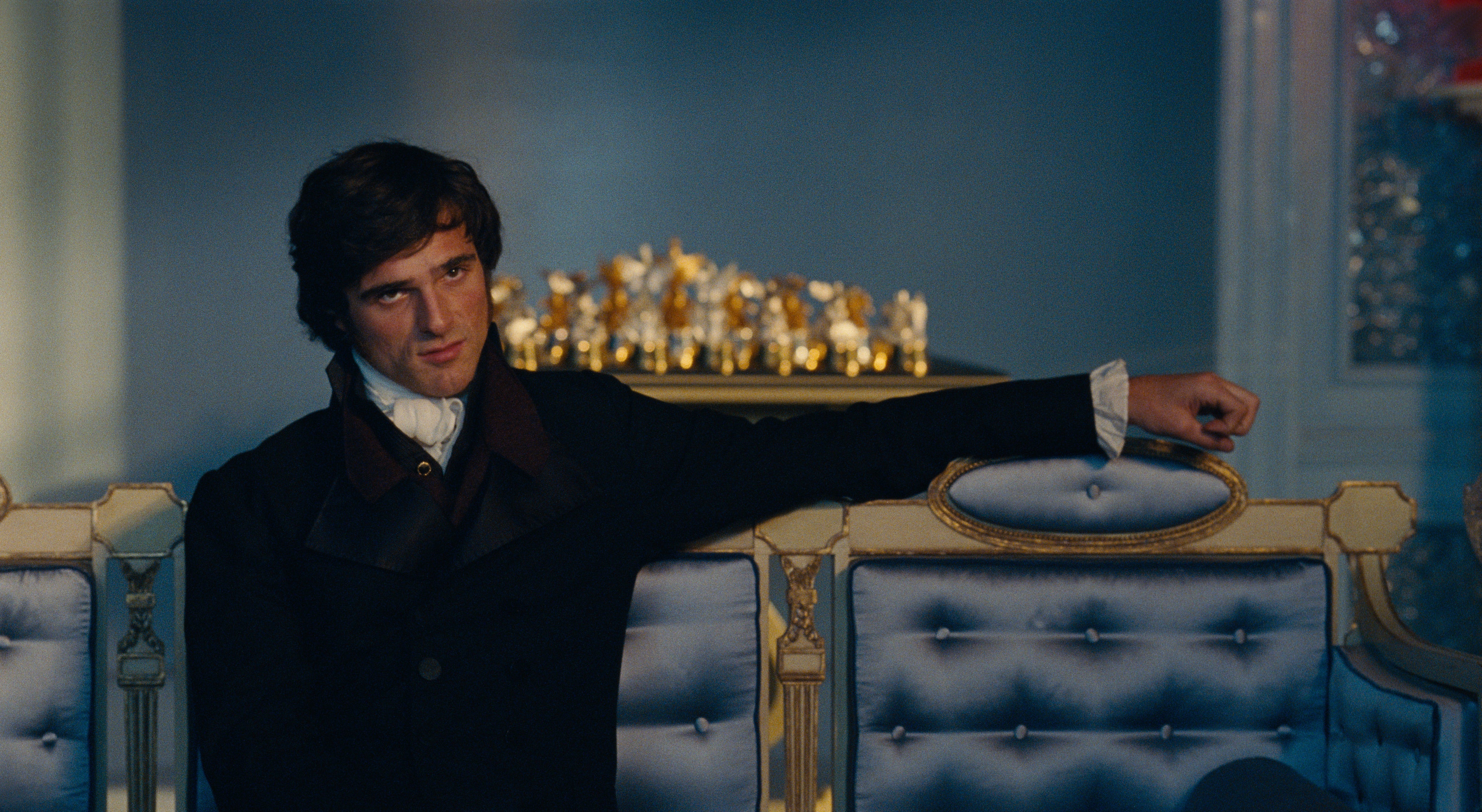
“She abandoned them under a delusion,” Heathcliff sneers in response, “picturing in me a hero of romance, and expecting unlimited indulgences from my chivalrous devotion.”
Here, Heathcliff explicitly rejects the idea he is any kind of romantic hero. However, for more than a century, he has been interpreted as one, with his intense connection with Catherine – a passion that endures long past her death – captivating audiences.
Indeed, this kind of romantic positioning is evident on the film poster, depicting Heathcliff and Catherine. It is strongly reminiscent of a “clinch cover”: common among historical romance novels published in the late 20th and early 21st century (most infamously associated with male model Fabio).
Plenty of modern readers agree with Heathcliff’s self-assessment, though. “Heathcliff from Wuthering Heights isn’t a romantic anti-hero,” reads the headline of one article by Christopher Shultz, “he’s a f***ing monster”.
A romance?
People regularly claim Wuthering Heights as their favourite romance novel, to the exasperation of romance readers and writers. It might be considered a love story, but Wuthering Heights is not a romance.
This is clear if we look at it against the (embattled) Romance Writers of America definition: a romance novel needs a central love plot and an emotionally satisfying and optimistic ending. Other 19th-century classics fit the bill – Jane Austen’s Pride and Prejudice, for instance – but Wuthering Heights does not.
The love story between Heathcliff and Catherine is certainly the element of the book most readers remember – and, indeed, many adaptations focus on it almost entirely. However, the couple are never actually together in any formal way, and their tortured relationship consumes surprisingly little page space.
Notably, Catherine dies approximately halfway through the book. While Heathcliff is tormented by grief for the rest of it, the primary action shifts to their children. This makes it difficult to argue theirs is a “central” love story.
About the author
Jodi McAlister is a Senior Lecturer in Writing, Literature and Culture, Deakin University. This article is republished from The Conversation under a Creative Commons license. Read the original article.
Given Catherine’s death and Heathcliff’s subsequent misery, it is also difficult to make a case that Wuthering Heights has an optimistic ending.
The book ends with a potentially happy union between Catherine’s daughter (also named Catherine) and her cousin Hareton, and the suggestion Heathcliff and his Catherine might be wandering the moors together as ghosts. This is arguably emotionally satisfying – they are together in death the way they were never in life – but not really optimism, especially taking into account the many lives they destroyed along the way.
Dark dynamics
So – if Wuthering Heights is not a romance per se, can we argue that it is romantic?
This hinges on how we define romantic. There’s no doubt that it’s Romantic, with a capital R. Wuthering Heights is deeply influenced by Romanticism, a literary and artistic movement which emphasised intense feeling and passion over logic and reason.
Modern conceptions of romance, though, place more of an emphasis on intimacy, closeness and overall functionality. Britain’s Romantic Novel of the Year awards, for instance, require a “healthy relationship dynamic between the main characters” – and even the biggest fans of the book would find it hard to argue Heathcliff and Catherine’s relationship is in any way healthy.
This said, some of the most popular romance subgenres at the moment revel in dynamics which are – like Heathcliff and Catherine’s – dangerous, intense, destructive and toxic. Dark romance is the most notable example.
Amoral people, illicit passion
As English professor David Shumway notes in his book Modern Love, romantic love was long considered a “destructive passion” – something that was a threat to marriage, rather than its building block. He writes: “In the nineteenth century, romance became grafted onto marriage, but it has never become entirely at ease with the union. This combination produced a tension within the discourse because [romance’s] essential characteristics derive from adulterous love.”
Wuthering Heights was published in 1847, right in the middle of the 19th century. In it, we see this tension between companionate marital love and adulterous passion played out. Catherine swears repeatedly that she loves her husband Edgar, but this is at best an uneasy love: a pale shadow of the immense, destructive passion she has for Heathcliff.
“You loved me — then what right had you to leave me?” Heathcliff demands of Catherine on her deathbed. “What right – answer me – for the poor fancy you felt for Linton? […] I have not broken your heart — you have broken it; and in breaking it, you have broken mine.”
The appeal of a genre like dark romance – of which Wuthering Heights is surely an ancestor – is its excessive intensity. While dark romance today ends happily, the intensity of Heathcliff and Catherine’s adulterous passion might have been muted if they had ended up together in romantic bliss – and, as a result, this book might not be half so compelling.
Speaking broadly, Heathcliff and Catherine are two mostly amoral people who bring destruction to the lives of everyone around them (as well as each other). Whether or not we consider it “romantic”, it is the force of their illicit passion that has made Wuthering Heights memorable.
Join our commenting forum
Join thought-provoking conversations, follow other Independent readers and see their replies
Comments
Bookmark popover
Removed from bookmarks