‘Don’t google the Beckhams!’: How to read more, according to Britain’s top authors
A drastic drop in reading for pleasure has prompted a national campaign to get Britain to fall back in love with books. Leading authors, including Helen Fielding, Salman Rushdie and Tom Fletcher, tell Annabel Nugent how to bring back your inner bookworm


Woolly mammoths. Sabre-toothed tigers. The dodo. There is one species we can’t allow to end up on this list of vanishing creatures: the bookworm.
In a world where screen time dominates a dwindling attention economy, readers are in serious danger of becoming a dying breed. Recreational reading among children and teenagers in the UK has fallen to its lowest point in two decades, with just one-third of eight- to 18-year-olds saying they enjoy reading in their free time – a 36 per cent decline since 2005. Adults are not much better: only around half of us regularly pick up a book, and even fewer parents like to read to their young kids.
But there are abundant benefits to reading. Young people who get into the habit of reading in early childhood are more likely to achieve high qualifications and upward social mobility later on; they’re more able to build empathy, develop their creativity and spark their imagination. Reading even makes you happier.
Fortunately, in 2026, the fightback has begun. This year, a major nationwide campaign is inviting people to fall back in love with reading. A Department for Education initiative, the National Year of Reading is supported by more than 60 partners, including literary sector charities, funders and pledge partners. Library cards for newborns; 72,000 new books distributed to those who need them most; a £27.5m package for libraries; libraries in Suffolk are even offering an amnesty for 15,000 overdue library books. It’s all about putting a stop to the bookworm extinction. Also working hard to promote the power of books is the Queen’s Reading Room charity, which celebrates its fifth anniversary this year and connects over 186,000 book enthusiasts across more than 180 countries.
And yet for all the benefits of reading, sometimes life just gets in the way. But there are several tips and tricks to help you stay on track with your TBR pile. And who better to advise than some of the world’s leading authors and biggest bookworms?
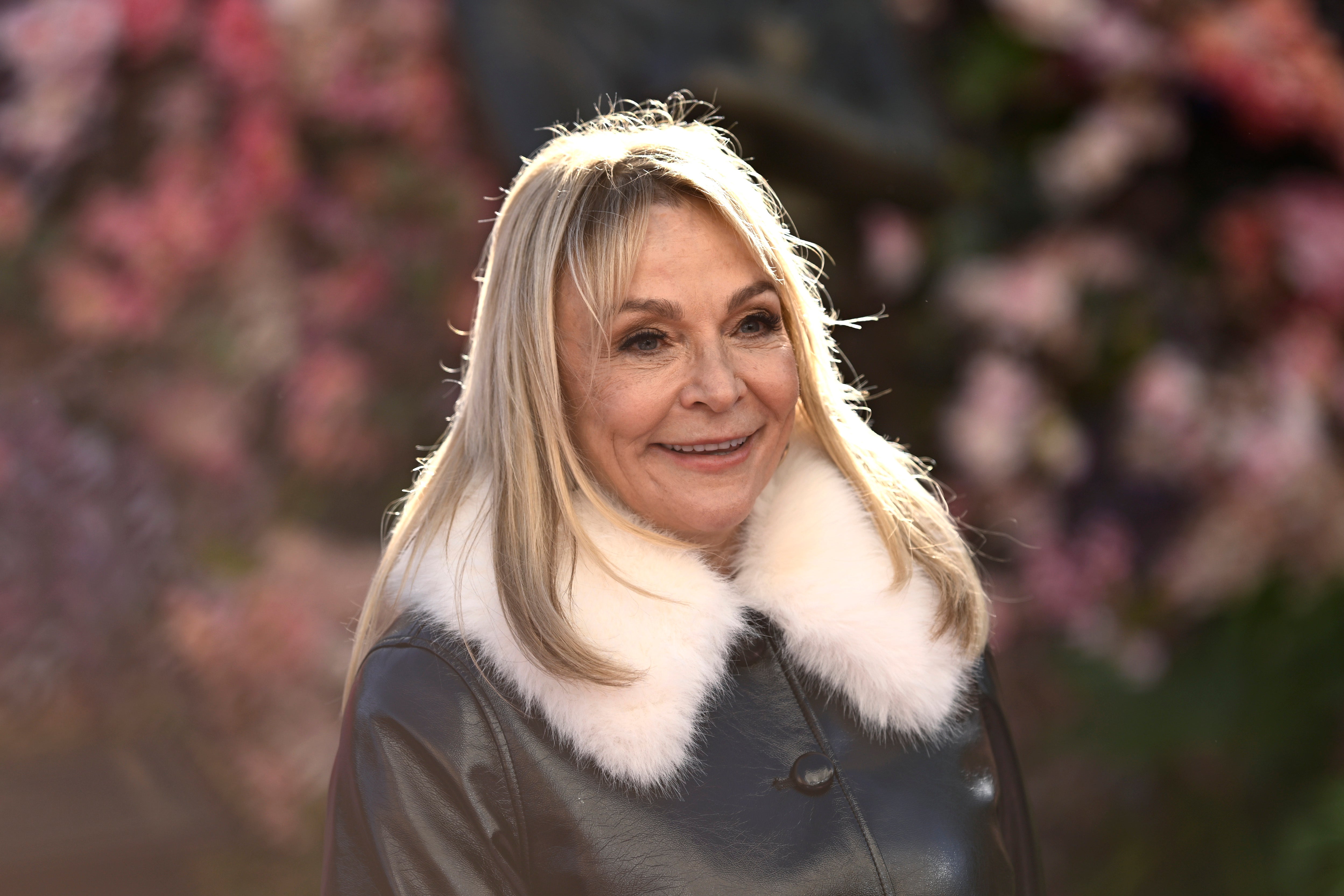
Ian McEwan
If you think you’re not reading enough, start with a novella, that entrancing form, short enough to hold you, not long enough to overwhelm you. Instead of a list, here’s one: Reunion by Fred Uhlmann.
Helen Fielding
Don’t google the Beckhams! Or do online shopping or look at your screens. Being hooked by a good book is like nothing else. You have to use your own imagination to do the things that video games, TV, movies and memes do. You have to make all the sights, sounds, smells and effects with your own mind. That’s what makes reading so absorbing, restful and good for the soul.
On that note, don’t read anything where you’re forcing yourself because it’s so heavy going. I ruined my love of Dickens for years by forcing myself to read Bleak House in two days at college because I’d failed to do my summer reading list. Read the books you enjoy – and mix in some classics. They’ve stood the test of time for a reason. And the stories can be even more complex and seductive than the Beckhams.
Salman Rushdie
Reading is a habit. You need to form the habit. Pick a convenient time of day and pick up a book at that time for 15 minutes. Do it every day for a couple of weeks and hopefully you’ll catch the bug. Oh, and make sure it’s a book you enjoy. If you find you’re not enjoying it, discard it and try another one. The book doesn’t matter. The pleasure does.

Andrew Miller
Top tip: a comfy reading chair by a good light, and with a little table for your tea and glasses. You might also wish to invest in an elegant reading robe (or two: one for summer, one for winter).
Kate Mosse
Trust your instincts – reading should be fun, nourishing, life-enhancing, brain-expanding, so if a book isn’t speaking to you, put it aside and try something else. It doesn’t matter. A story that isn’t to your taste now will still be waiting for you when the time is right. Enjoyment is everything.
Ian Rankin
Carve out some time, put down your phone, leave a book in a strategic spot – sofa, bedside, bathroom – and pick it up rather than your device!
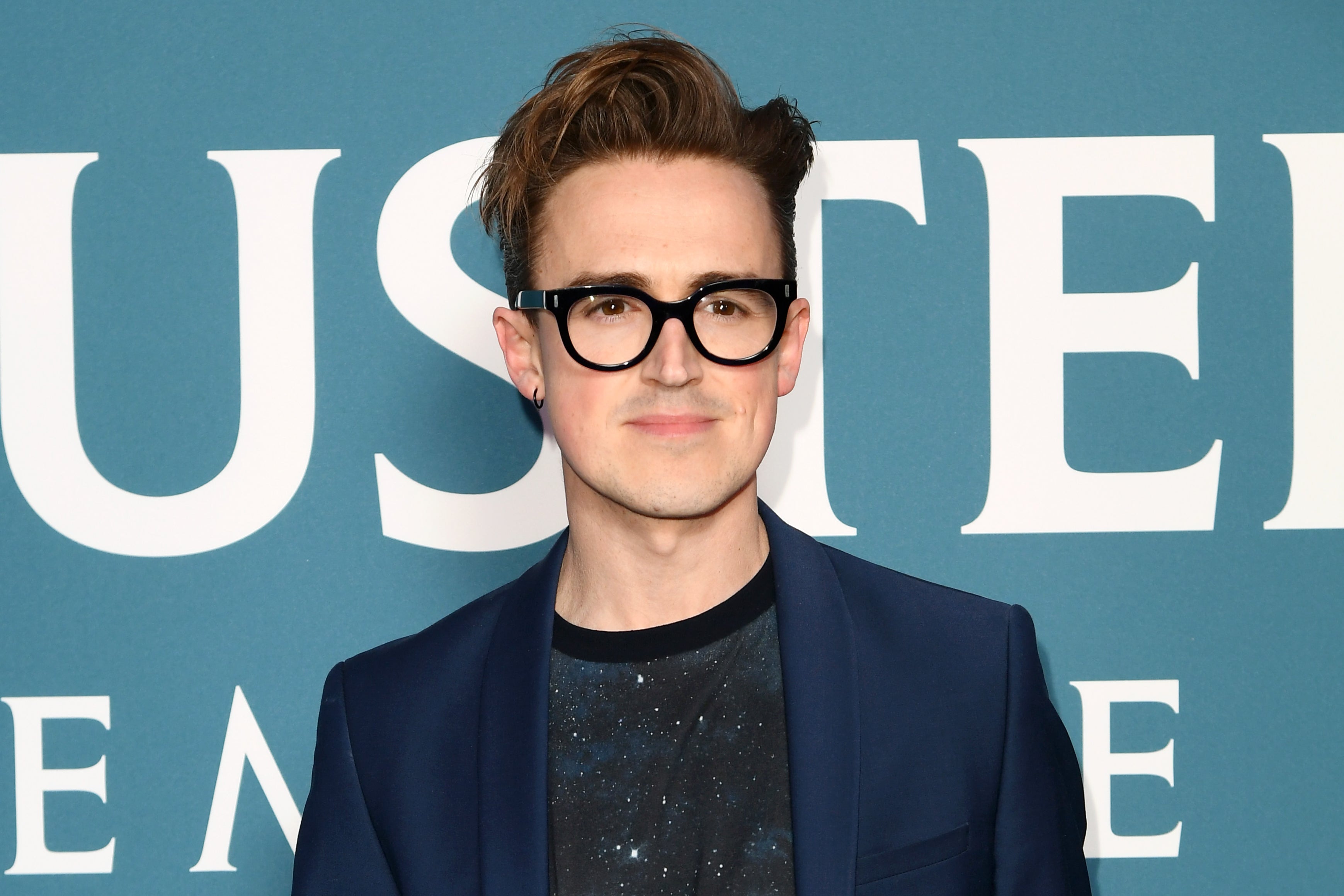
Tessa Hadley
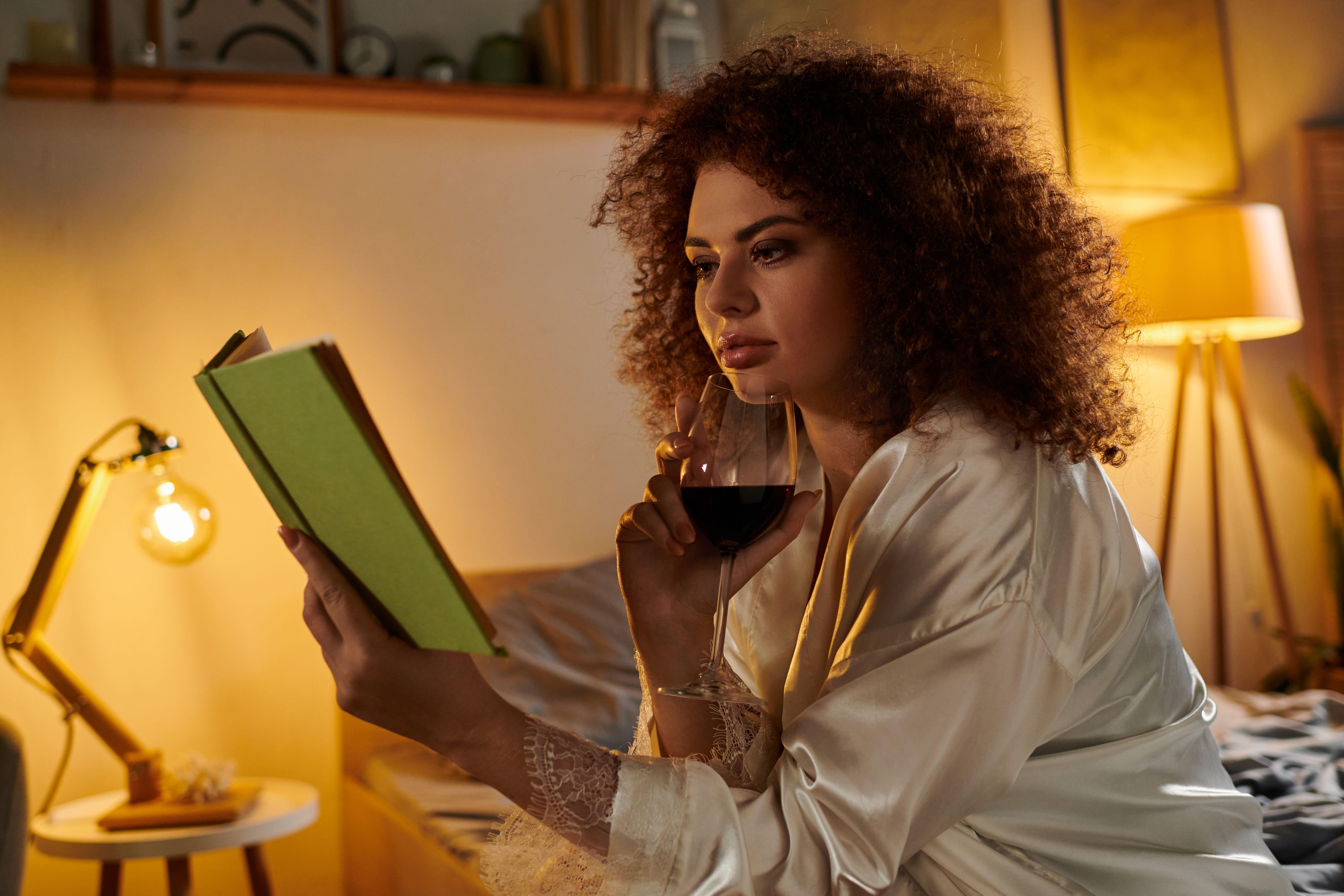
Don’t ever think of reading as a duty. It’s a pure pleasure. Don’t wait till bedtime. Turn your phone off or leave it in another room. Make a cup of tea or pour a glass of wine (a small glass, you need to stay sharp), remove your shoes. Curl up in a comfortable armchair or on a sofa. Exit all the smallness of your life, move through the portal of your books into other worlds, other ways of seeing and thinking and feeling…
Tom Fletcher
Reading doesn’t only include traditional books. Stories live in song lyrics, comics and graphic novels – and audiobooks are a brilliant way to listen on the go. Follow your curiosity, read what excites you and explore your interests, not what you think you should be reading, and shift your mindset about what counts. For example, listening to audiobooks during a car journey is a fun way for families to read books together when the calendar is packed.
Jeanette Winterson
If there is any book you really loved… read it again! Then ask a friend for something they have enjoyed. Read that! Then choose something for yourself… Meanwhile, a short poem every day is like an espresso shot in the morning or a nightcap at bedtime. Try that too!
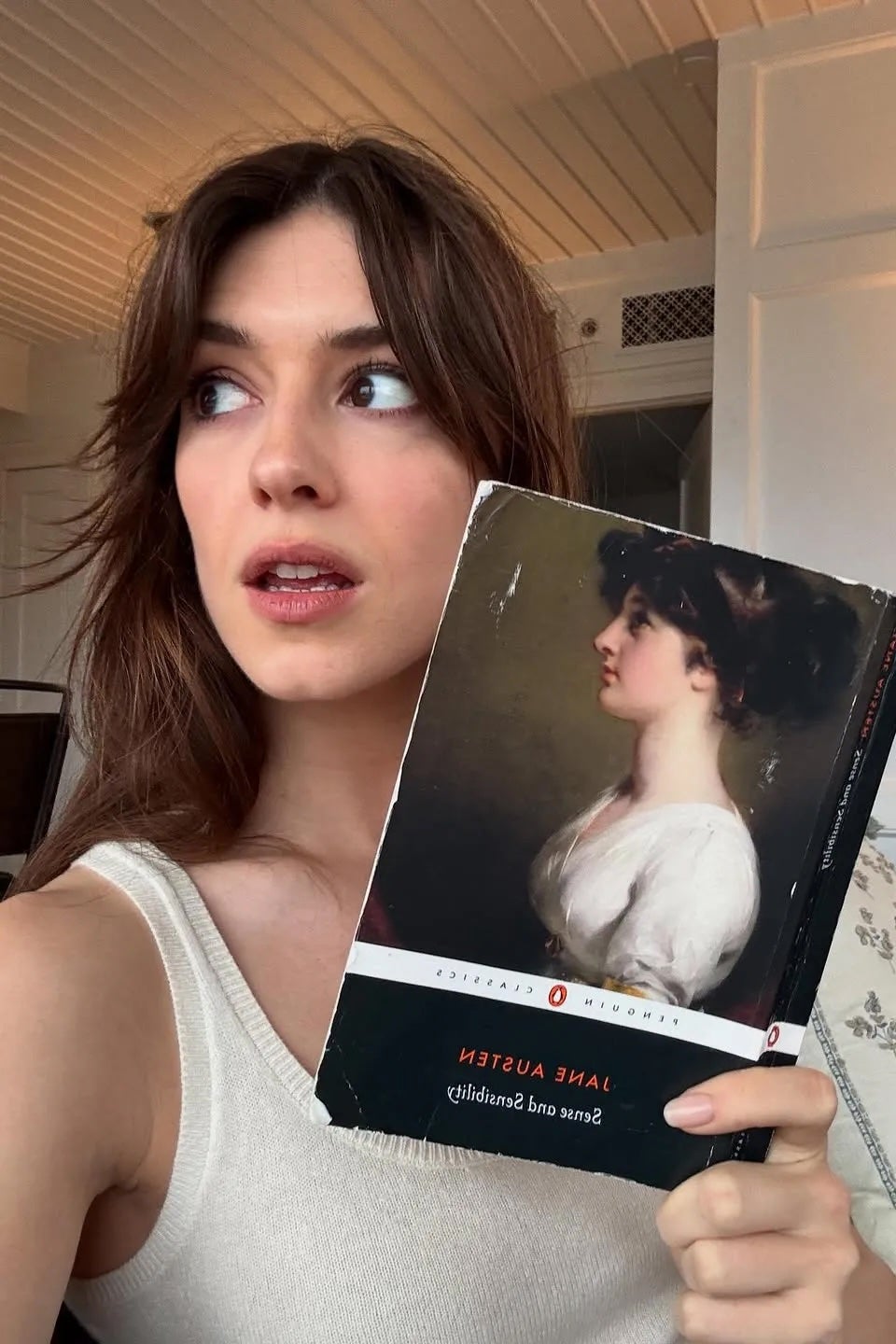
Malorie Blackman
Read for pleasure with the emphasis on pleasure. Read what you love, what you care about, what challenges you, makes you think, makes you laugh or cry or feel. If you want to read graphic novels, books about hobbies or listen to audiobooks, then go for it. And enjoy!
David Mitchell
Keep a small fancy notebook on your bookshelf. On 1 January, write the name of the year – just “2026”. Every time you finish a book, write its ordinal number – 1st, 2nd, 3rd… 50th, etc. Do a deal with yourself – every year, you’ll finish more books than last year. You’re allowed to balance out a 900-page Dawn of Everything with a slim novella by Clare Keegan.
Also, as you read, keep a pen close by. (A pencil is better but who carries pencils around?) Whenever you encounter something that you don’t want to forget, put a dot at the top of the page. Put another dot in the margin next to the line where the non-discardable something occurs. When you’ve finished the book, go through the book, looking out for the dots at the tops of pages; transcribe the “dotted somethings” into another notebook. By hand, with a fountain pen. Revisit them from time to time. If you know the author or can reach them on social media, share a few of your favourite dots. Trust me, it will enhance or even transform their day.
Lastly, when tempted to kill an hour on YouTube or a mediocre documentary on Netflix, remember that you will wish you could get those wasted 60 minutes back. Spend that same hour with a good book and you’ll feel mentally richer, less alone, smarter and that bit wiser.
Elif Shafak
Books are our beloved companions. I think it’s so important that we see reading as a continuous journey where we learn new things every day, sail to new horizons. When we dive into a novel, for a few days or weeks, we become someone else, we transcend the borders of the “self” and see the world through another person’s eyes, feel what they feel. We empathise with their sorrows, their joys, their dreams. Literature dismantles the duality of “us” versus “them”. This is a humbling exercise for the mind, for the soul.
Let’s read anything and everything that speaks to us – from cookbooks to political philosophy to literary fiction. I have never believed in that distinction between “highbrow literature” and “lowbrow literature”. Instead, let’s keep the curiosity of the mind alive and thriving. Let’s be intellectual nomads, constantly searching. That requires reading widely, both fiction and non-fiction. Across the board. If we are reading only one type of genre, or the same kind of books, it means we are not leaving our comfort zones. I find it very important that our reading lists be eclectic, diverse, connecting with multiple cultures, backgrounds, and traditions of storytelling.
Tim Bouverie
The best tip for reading more is to read great books by amazing authors – Austen, Dickens, Tolstoy, Waugh, Hemingway, etc. But having a dedicated reading time, such as before bed, or commuting to work – any time when you can ignore your telephone and concentrate – can also help. Smartphones are addictive and unwholesome. Reading, when pursued with energy and dedication, is addictive and wholesome.
Adam Weymouth
I’ve had some reading droughts since becoming a parent. Thrillers are often my way back: something inches thick with a hundred chapters. I can devour one in a fraction of the time it takes me to get through something more literary, and by the time I’m done, I’m back in the habit. Robert Ludlum is a particular favourite.
Robin Stevens
The most important thing to me as an author and reader is the concept of fun. A book is a story – it’s entertainment – and I believe you should be looking for the kind of entertainment that truly makes your heart sing. What fun means to you is entirely personal, and nothing to do with how objectively pleasant a story might be (my own favourite genre revolves around at least one person being violently murdered), but as far as I’m concerned, that’s the only metric you should be judging your reading on.
Join our commenting forum
Join thought-provoking conversations, follow other Independent readers and see their replies
Comments
Bookmark popover
Removed from bookmarks